Curated collectionAnswer keys includedPrint-ready PDFs
Differentiated Worksheets With Answer Keys
Hold the learning goal steady while changing number bounds, prompts, representations, response load and extension demand across three real worksheet versions.
Start with a real resource
Browse this worksheet collection
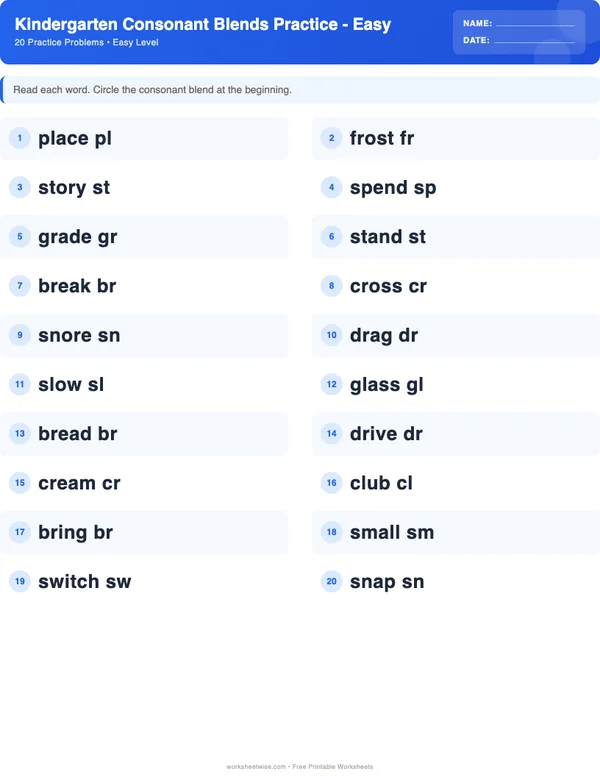
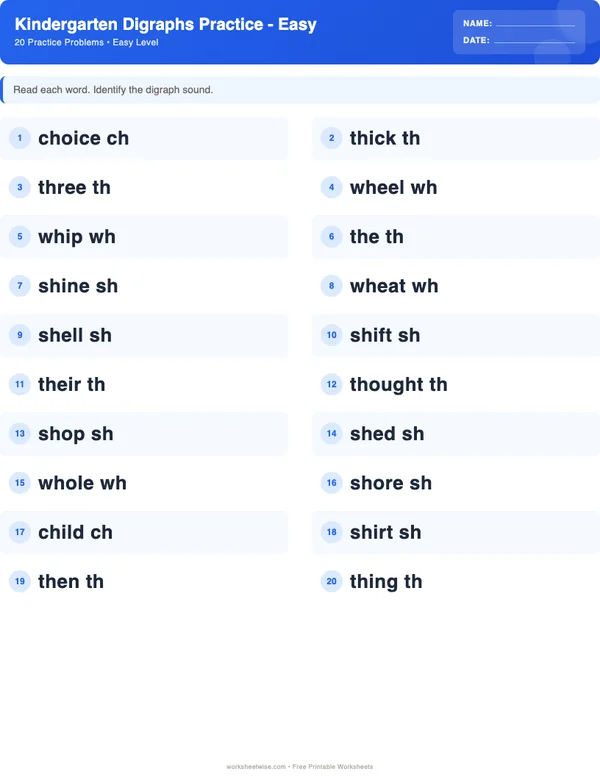
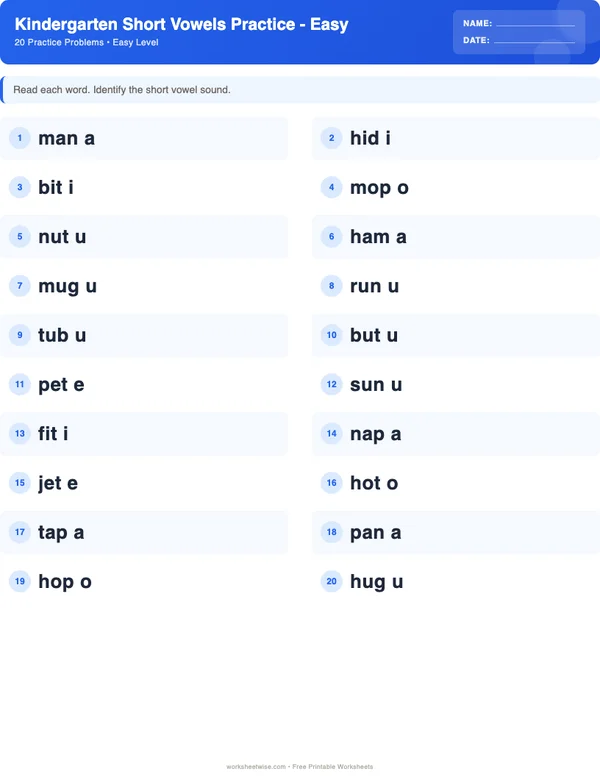
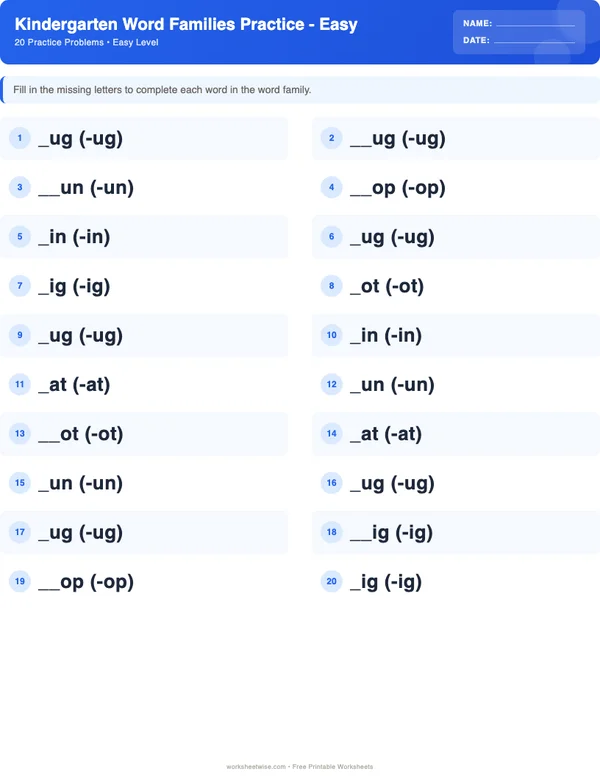
107 relevant free entry points are available. Each one includes a printable learner PDF and separate answer key.
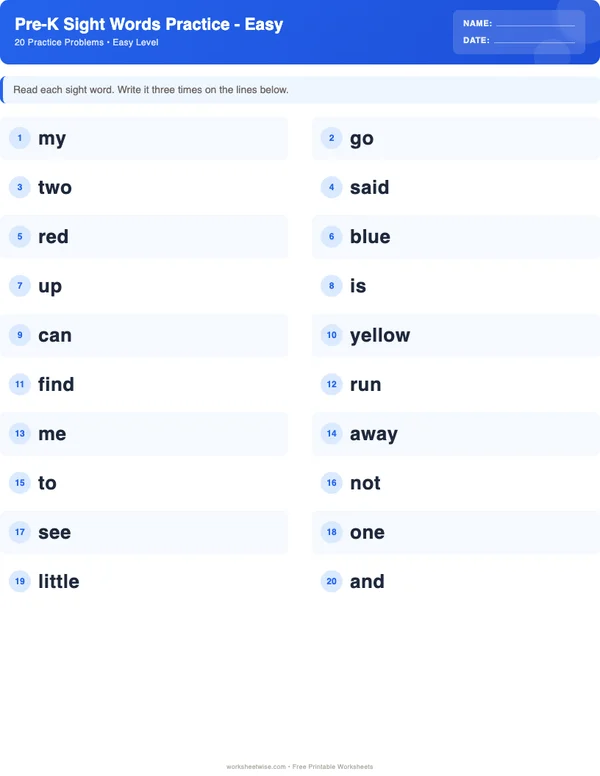
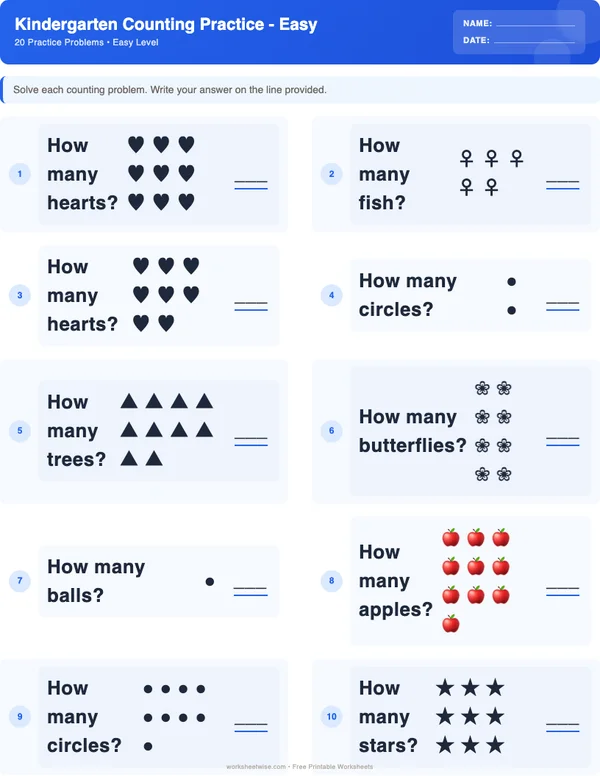
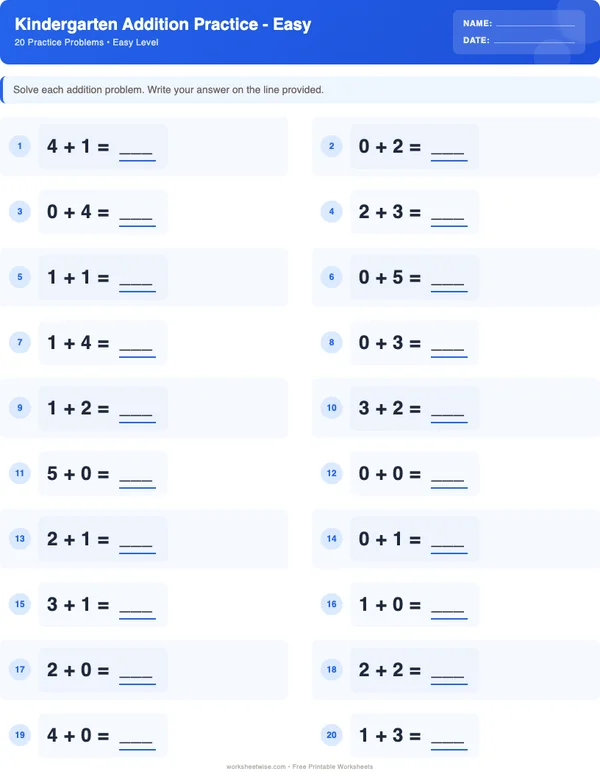
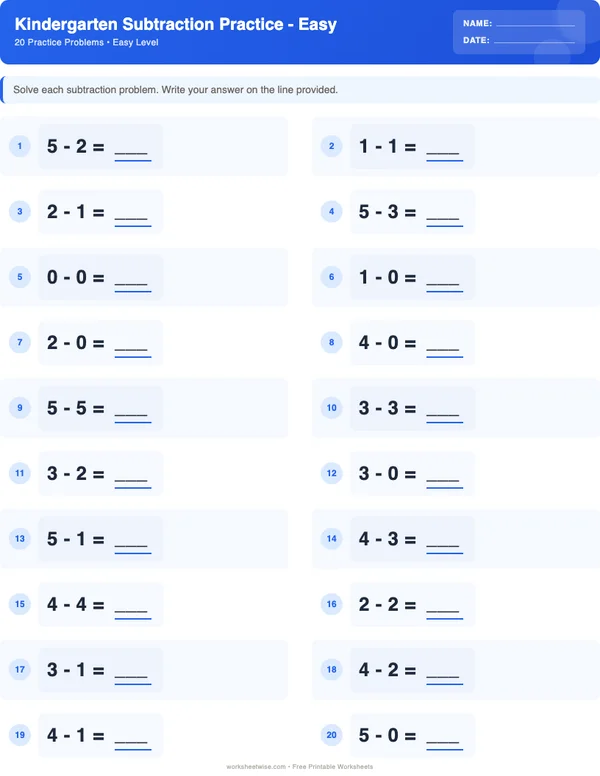
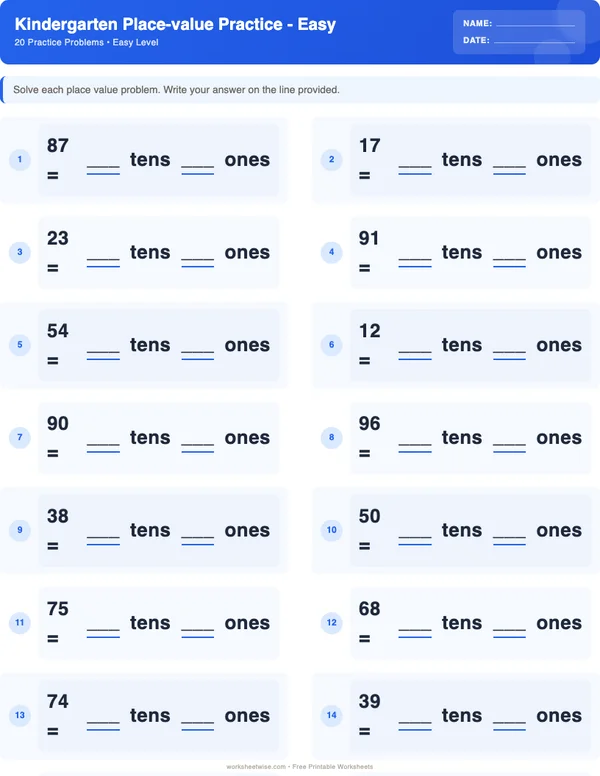
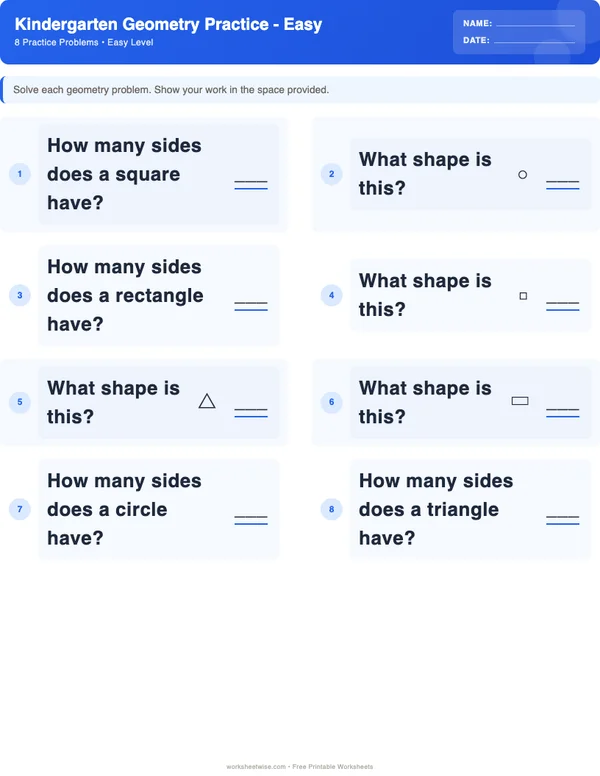
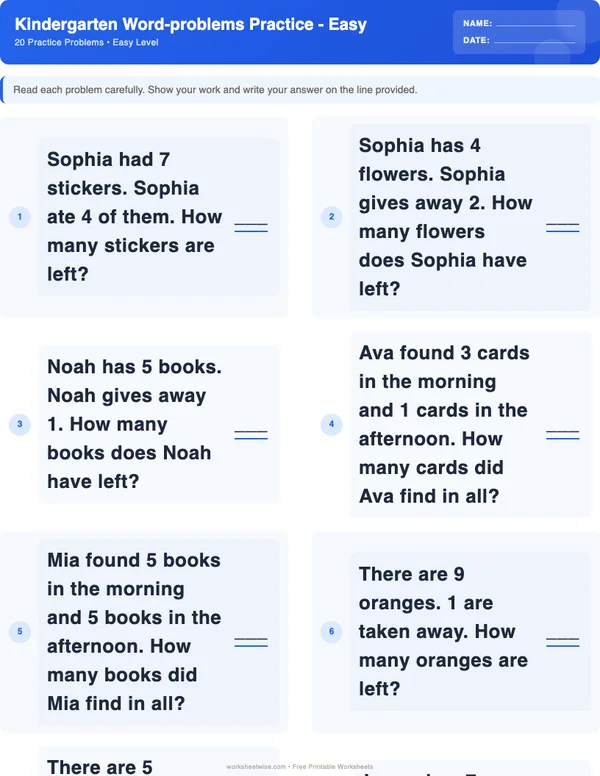
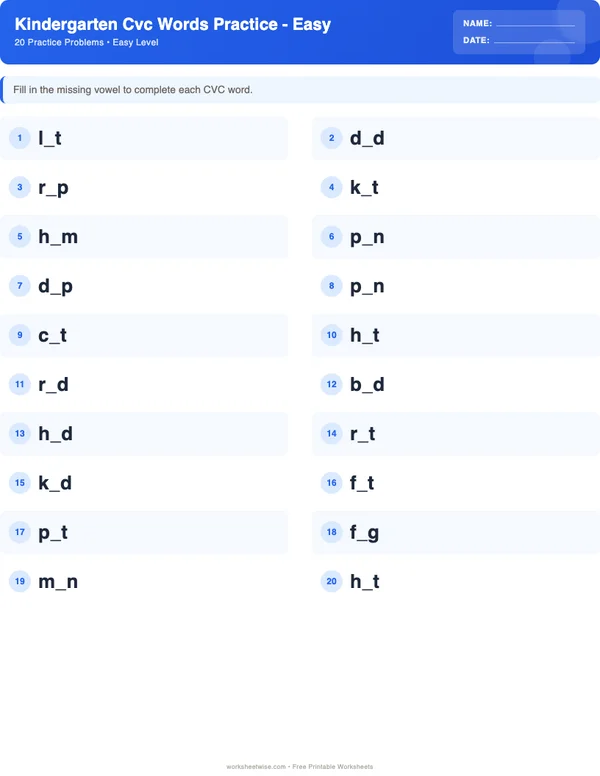
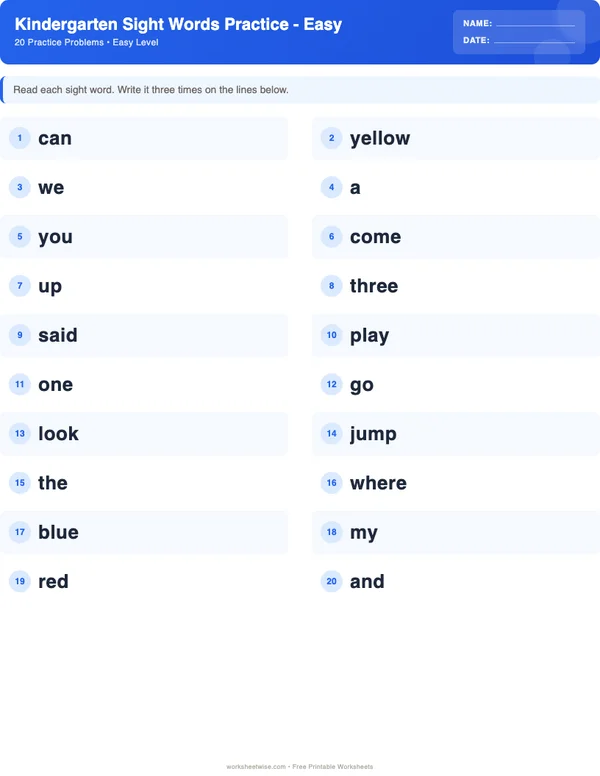
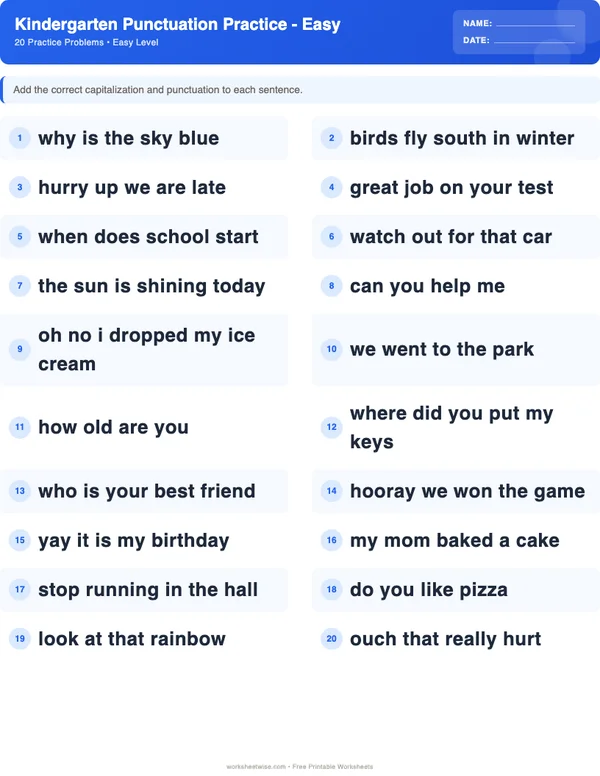
A useful practice loop
Print less. Observe more.
- Choose one skill and model the first item aloud.
- Use a short set and notice the learner’s strategy.
- Change the next task from the work you can see.
Need more than the free sheet?
Plus includes all 1926 matching catalogue variations where available, plus saved deterministic generators and the worksheet designer.
See Plus membershipExplore differentiated worksheets with answer keys by subject or level
Complete guide
How to teach and practise differentiated worksheets
3,481 words Updated 6 instructional visuals
Differentiate the route, not the learning goal
Differentiated worksheets should let learners practice the same target through meaningfully different routes. Keep the concept, success criterion, and evidence of learning steady. Change only the features that affect access or demand: number bounds, prompt detail, representations, response load, vocabulary support, and extension work.
A useful three-version set is not three unrelated sheets labeled “easy,” “medium,” and “hard.” It is one lesson expressed as:
- Version A — supported access: smaller quantities or a narrower item set, an example, a visual model, fewer written responses, and space for adult prompting.
- Version B — core practice: the intended number range, vocabulary, representation, and response form without extra scaffolding.
- Version C — extended reasoning: the same target plus less prompting, explanation, comparison, error analysis, transfer, or an unfamiliar example.
Those labels describe observable task features, not learners. Never call a child “easy,” “developing,” or “advanced.” A learner may need a number line for subtraction today and independently explain a geometry pattern tomorrow.
WorksheetWise’s live differentiated catalogue contains 1,926 variants across eight grade labels, four subjects, and 23 topics, including 107 free resources. Those counts describe choice, not placement precision. Grade labels indicate intended practice level, and local curriculum sequences differ. Age is also a discovery aid rather than a placement decision. Select from what a learner can currently demonstrate, the exact goal being taught, and the supports available during the session.
Prepare three versions from one evidence statement
Start by completing this sentence:
By the end of this practice, the learner will show that they can ___.
Use a verb you can see or hear: count, blend, classify, calculate, represent, explain, revise, or compare. “Understand fractions” is too broad. “Represent and compare two fractions with a common denominator” is observable.
Then write one common check that every version must preserve. For example:
- Count a scattered set without counting an object twice.
- Blend three phonemes and read the resulting CVC word.
- Choose multiplication for an equal-groups situation and calculate accurately.
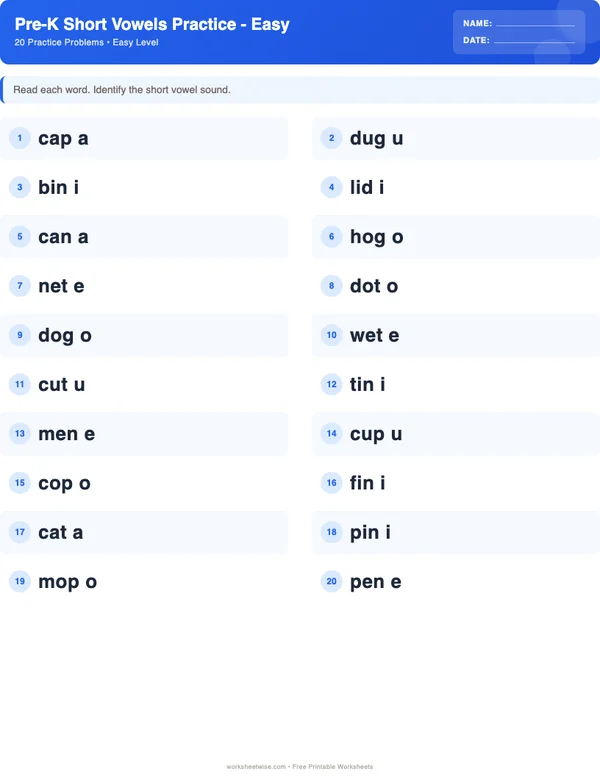
- Identify the short vowel in a spoken word.
- Compare two fractions using a model or mathematical reasoning.
- Write a sentence with a clear subject and predicate.
Choose the core version first
Design Version B before adding or removing support. Check five features:
- Content boundary: within 10, two-digit numbers, one-syllable words, common denominators, or one paragraph.
- Prompt type: select, fill in, calculate, draw, explain, edit, or construct.
- Representation: objects, pictures, number line, array, equation, sound boxes, word bank, or open writing space.
- Response load: how many items, written words, calculation steps, or explanations are required.
- Independence demand: what the learner must remember without a model, cue, or adult question.
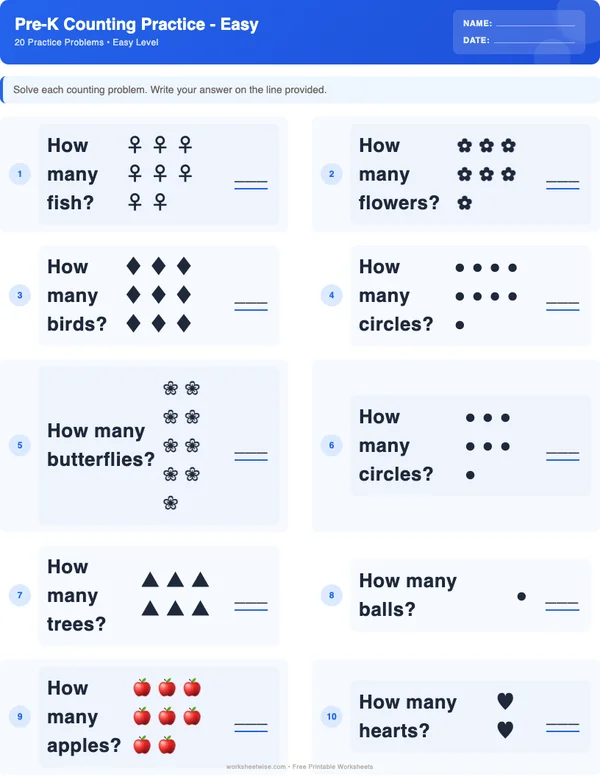
Do not assume a sheet with 20 items is automatically more rigorous than one with 8. Twelve carefully varied word problems may demand more reasoning than 30 repeated calculations. The verified catalogue illustrates this distinction: the kindergarten word-problem resource has 12 problems, while the listed counting and phonics sheets have 20.
Build supported access without changing the target
For Version A, remove barriers that are not the target skill.
If the goal is choosing an operation in a word problem, read the problem aloud or reduce copying; do not tell the learner which operation to use. If the goal is spelling a CVC word, a picture can establish meaning, but supplying the middle vowel would remove the evidence you need. If the goal is fraction equivalence, allow fraction strips while still requiring the learner to make and justify the comparison.
Suitable changes include:
- Reduce the number range while retaining the same structure.
- Provide one completed example followed by matched practice.
- Add counters, arrays, sound boxes, diagrams, or a word bank.
- Divide a long direction into numbered steps.
- Reduce handwriting while preserving an oral explanation.
- Cover all but one row to reduce visual competition.
- Ask the learner to solve fewer items chosen to represent the full skill.
Add extension through reasoning, not decorative work
Version C should deepen the same learning goal. It should not merely add more of the same items.
Ask the learner to:
- Solve an example with the unknown in a different position.
- compare two methods;
- find and correct an error;
- create an example that meets stated conditions;
- explain why a distractor is wrong;
- apply the target to a short unfamiliar context; or
- state a generalization and test it.
An extension still needs an answer key or a response guide. For an open explanation, list acceptable evidence rather than pretending there is only one correct sentence.
Launch all versions as one lesson
A differentiated launch should protect dignity and keep the group focused on shared mathematics or language.
Use a five-part launch
- State the shared target. “Today we are showing equal groups with multiplication.”
- Model one fresh example. Do not use an item learners will later complete.
- Name available tools. “Counters, grid paper, and the multiplication chart are here if they help you show your thinking.”
- Explain the stop point. “Complete the first four items, then check in.”
- Give a common reflection. “Circle one item that best shows what you know.”
Avoid announcing that one version is lower or higher. Use neutral identifiers such as blue, green, and gold, or simply hand out papers without public labels. A color should not become a permanent group identity.
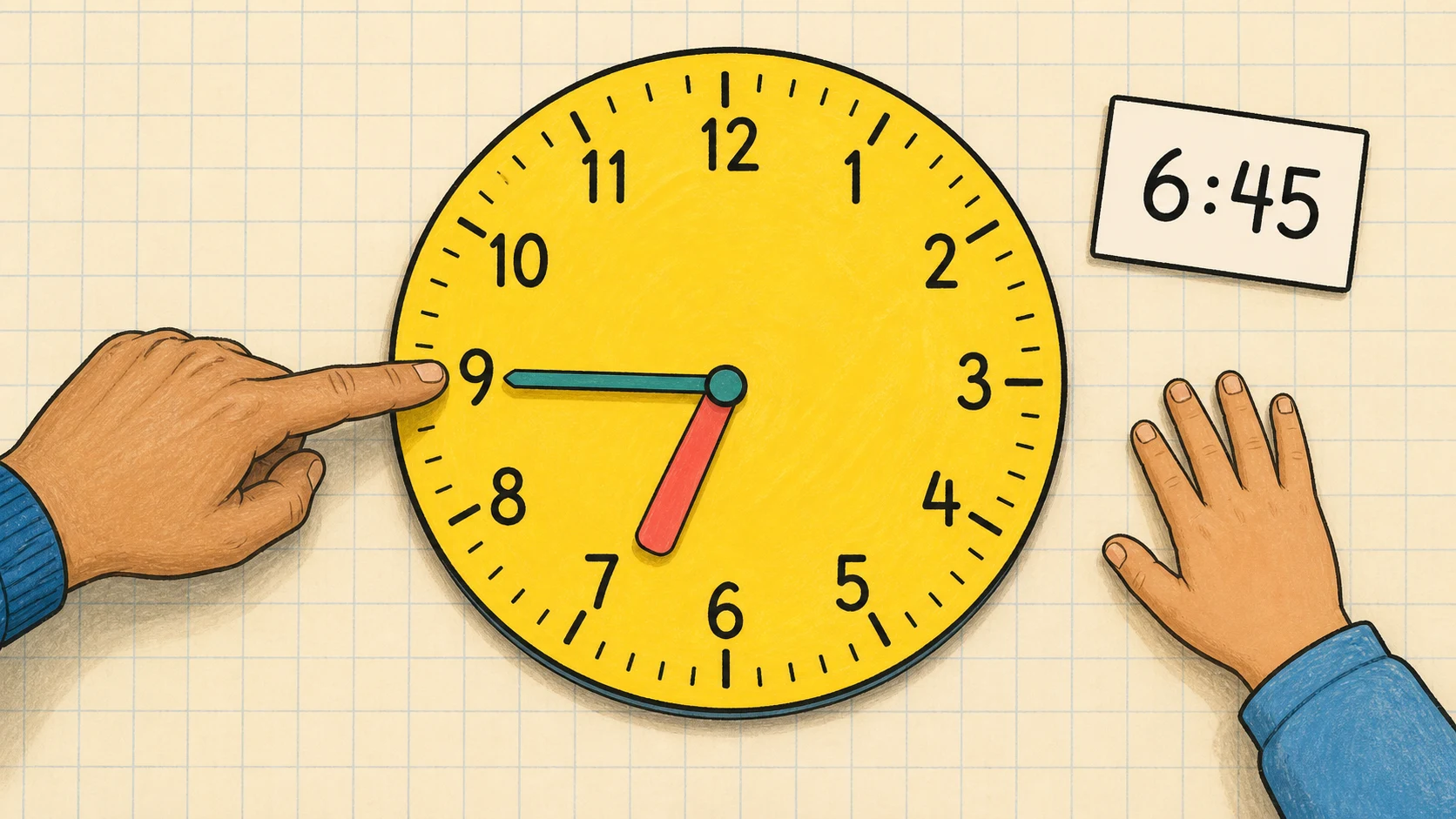
For telling time, keep the clock-reading target common while varying clock-face cues, minute intervals, and the amount of written explanation.
A short telling-time launch might show an analog clock at 3:00. Say, “The short hand points to the hour; the long hand points to 12, so it is exactly three o’clock.” Then use a new clock showing 7:00 for the shared oral check.
The versions could be:
- A: clocks at whole hours with both hands clearly distinguished and two answer choices.
- B: whole-hour clocks without choices; learners write the time.
- C: the same whole-hour reading plus “Draw a different clock time that is two hours later.”
The extension remains about interpreting and representing time. It does not jump to elapsed-time computation unless that is the stated target.
Observe the process before scoring the page
A completed worksheet tells you what was written. Observation tells you how the answer was produced.
During the first four items, record brief, factual notes:
- “Touches each object once while counting.”
- “Recounts the whole set after one object is moved.”
- “Blends onset and rime after adult model.”
- “Reads cat immediately but substitutes /i/ in pen.”
- “Builds 4 groups of 3, then writes .”
- “Finds equivalent fractions with strips but not from notation alone.”
- “Explains orally; leaves written explanation blank.”
Do not turn such observations into diagnoses. “Lost place twice in a crowded row” supports a layout adjustment. It does not establish an attention disorder or any other condition.
Watch for the point at which support changes
Use a simple prompt ladder:
- Pause for independent correction.
- Ask, “What is the question asking?”
- Point to the relevant representation.
- Ask the learner to show the first step.
- Model a parallel example.
- Complete the item together only if necessary.
Record the lowest prompt level that produced progress. “Correct with a pointed number line” is more useful for tomorrow’s planning than “needed help.”
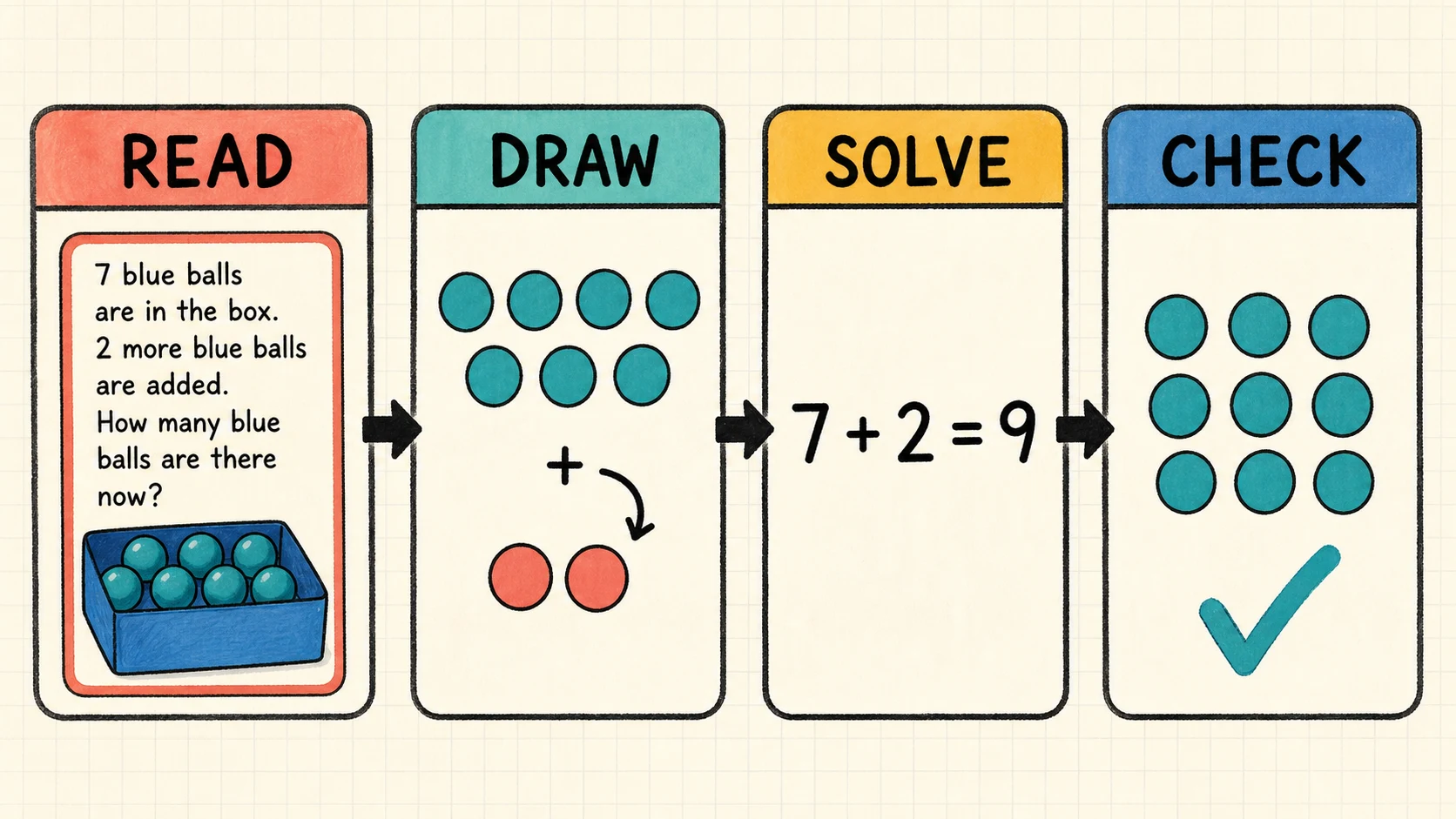
In first-grade word problems, fade retelling prompts and diagrams while preserving the need to understand the quantity relationship.
Consider the checked problem: “Mia has 6 shells. She finds 3 more. How many shells does she have now?” The answer is .
- A: The adult reads the story, the sheet provides two boxes labeled “had” and “found,” and the learner draws or places 6 and 3 counters before writing an equation.
- B: The learner reads or hears the same problem, draws any useful model, and writes the equation and answer.
- C: The learner solves it, then rewrites the story so the unknown is the starting quantity: “Mia had some shells. She found 3 and then had 9. How many did she have first?” The checked equation is , so the missing start is 6.
All three versions examine the relationship among the quantities. Version C deepens the structure instead of inflating the numbers.
The IES mathematics intervention guide recommends deliberate instruction in word problems as well as systematic instruction, precise mathematical language, and well-chosen representations. That guidance supports explicit modeling and purposeful diagrams; it does not mean IES evaluated these worksheets or this three-version routine. See IES, Assisting Students Struggling with Mathematics.
Use answer keys for interpretation, not just marking
An answer key should accelerate feedback while leaving room to inspect the method. Marking every incorrect response with an X and returning the page misses the most useful question: what pattern produced the errors?
Sort errors into five practical categories.
Concept or relationship error
The learner does not yet represent the underlying idea reliably.
Example: for 4 groups of 3, the learner writes . The response suggests confusion between equal groups and combining two quantities. The next action is to build four sets of three counters, count 3, 6, 9, 12, and connect the model to .
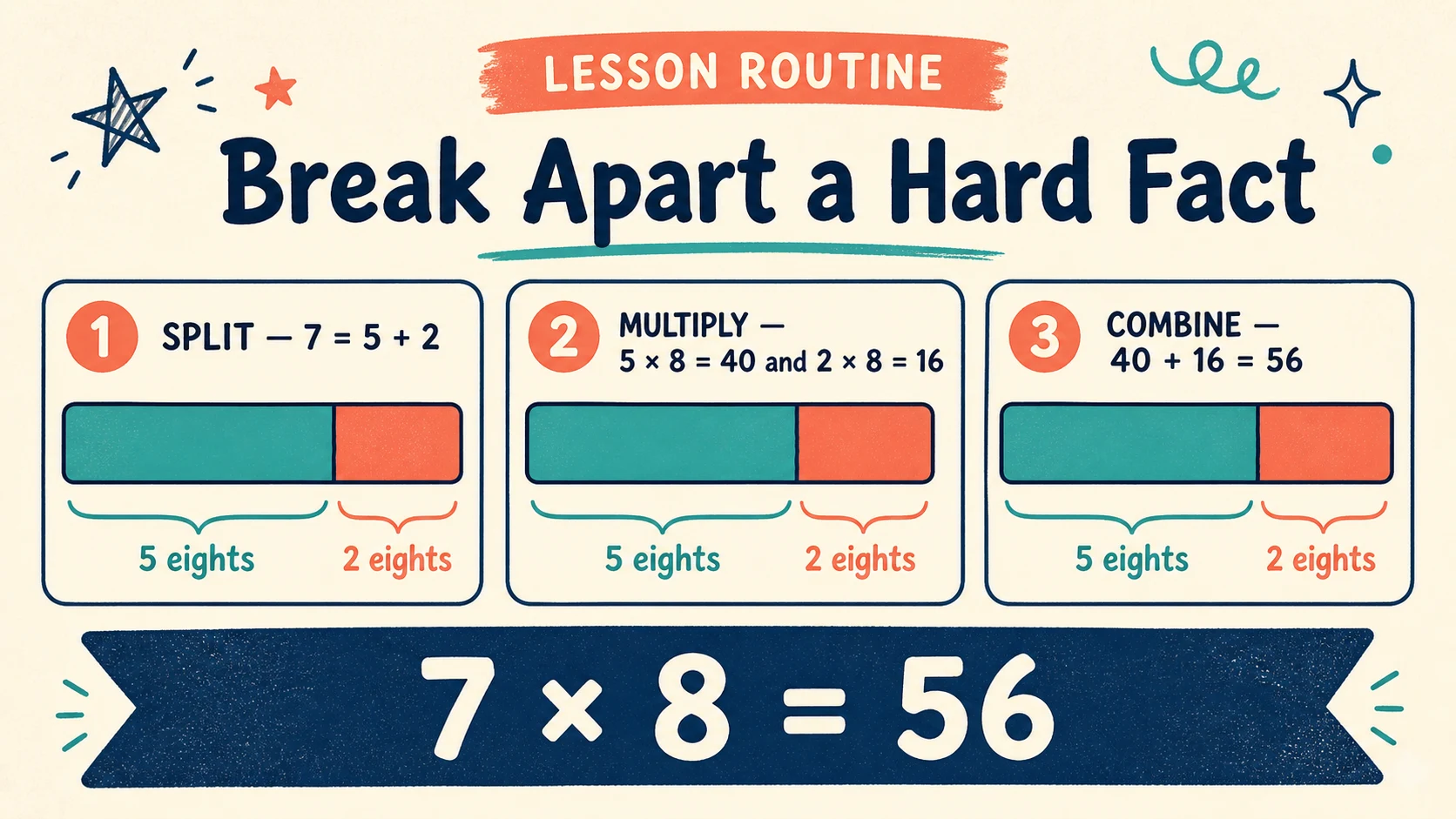
For third-grade multiplication, arrays and equal groups can change the access route while the shared evidence remains choosing and calculating multiplication.
A checked three-version set for could use:
- A: six pre-drawn circles; the learner draws four dots in each and counts 24.
- B: “Draw an array for , then solve.” A correct array has six rows of four or four rows of six, totaling 24, if orientation is explained consistently.
- C: “Jalen says and are equal because both use 6 and 4. Correct his reasoning.” A sufficient response notes that six groups of four total 24, while .
The extension checks the same multiplicative meaning through error analysis.
Procedure or notation error
The concept appears present, but a step or symbol is mishandled. A learner may build six groups of four correctly and then write . Ask the learner to read the equation aloud while pointing to the groups. The next sheet may need an equation frame, not smaller numbers.
Language or direction error
A correct oral response paired with an incorrect written selection may indicate that the direction, not the target skill, blocked performance. Restate the direction without teaching the answer and try one parallel item. If performance changes, simplify future wording while preserving the target vocabulary.
Production-load error
The learner answers early items correctly, then omits responses or loses accuracy as writing accumulates. Check orally before concluding that the target is insecure. The next action may be to require six representative items instead of twenty, use verbal answers for part of the task, or allow an adult to transcribe an explanation.
Isolated slip
One wrong answer surrounded by accurate work may be a slip. Ask, “Check this one another way.” Do not redesign the whole sequence from a single reversal, skipped item, or arithmetic mistake.
Feedback should name the evidence and the next move: “Your six groups each contain four, so your model shows 24. Now change the plus sign to the operation that means equal groups.”
Apply the same architecture across subjects
Differentiation is coherent only when the preserved target remains visible in every version.
Early phonics: keep the sound-letter decision intact
The IES foundational reading guide recommends developing awareness of speech sounds and their links to letters, teaching decoding and word analysis, and providing daily connected-text reading. A worksheet can support focused practice in those areas, but it should not replace oral sound work or connected reading.
Use the checked short-a chain cat → mat → map. Each is a CVC word:
- cat segments as /k/ /ă/ /t/.
- mat changes only the initial phoneme.
- map then changes only the final phoneme.
Version A can provide three sound boxes and letter tiles. Version B can ask the learner to read each word and write the changed letter. Version C can ask the learner to change one phoneme in map to make mop, then name whether the middle or ending sound changed. The correct observation is that /ă/ changed to /ŏ/ in the medial position.
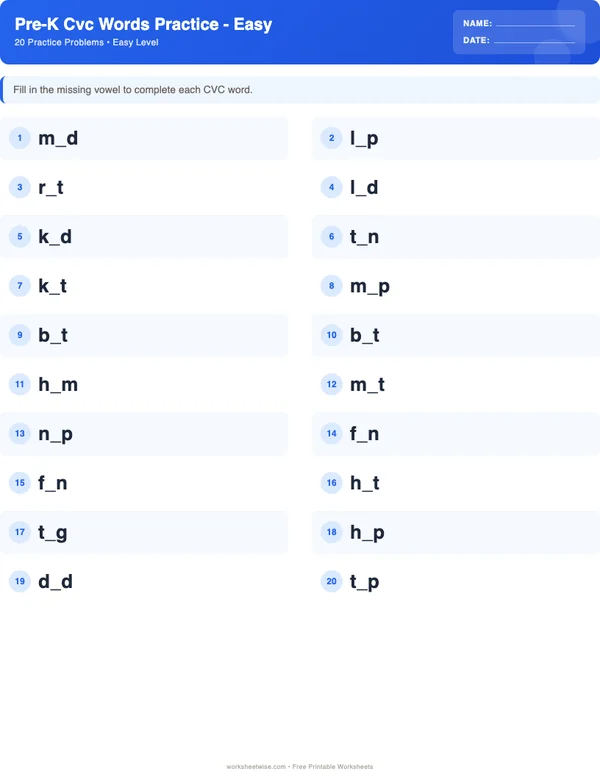
This example belongs here because the live catalogue includes Pre-K and kindergarten CVC practice, including picture matching, word building, and fill-in tasks. Use the Pre-K CVC Words guide and free sheet when that content boundary matches the learner’s current instruction.
For ages three and four, prioritize brief adult-led oral, matching, manipulative, and movement work over desk work. Say a word, let the child push one counter for each sound, match a picture to a spoken word, or step once per syllable. A 20-problem sheet may be available, but availability is not a reason to require all 20 items in one sitting.
Word families: vary sorting demand
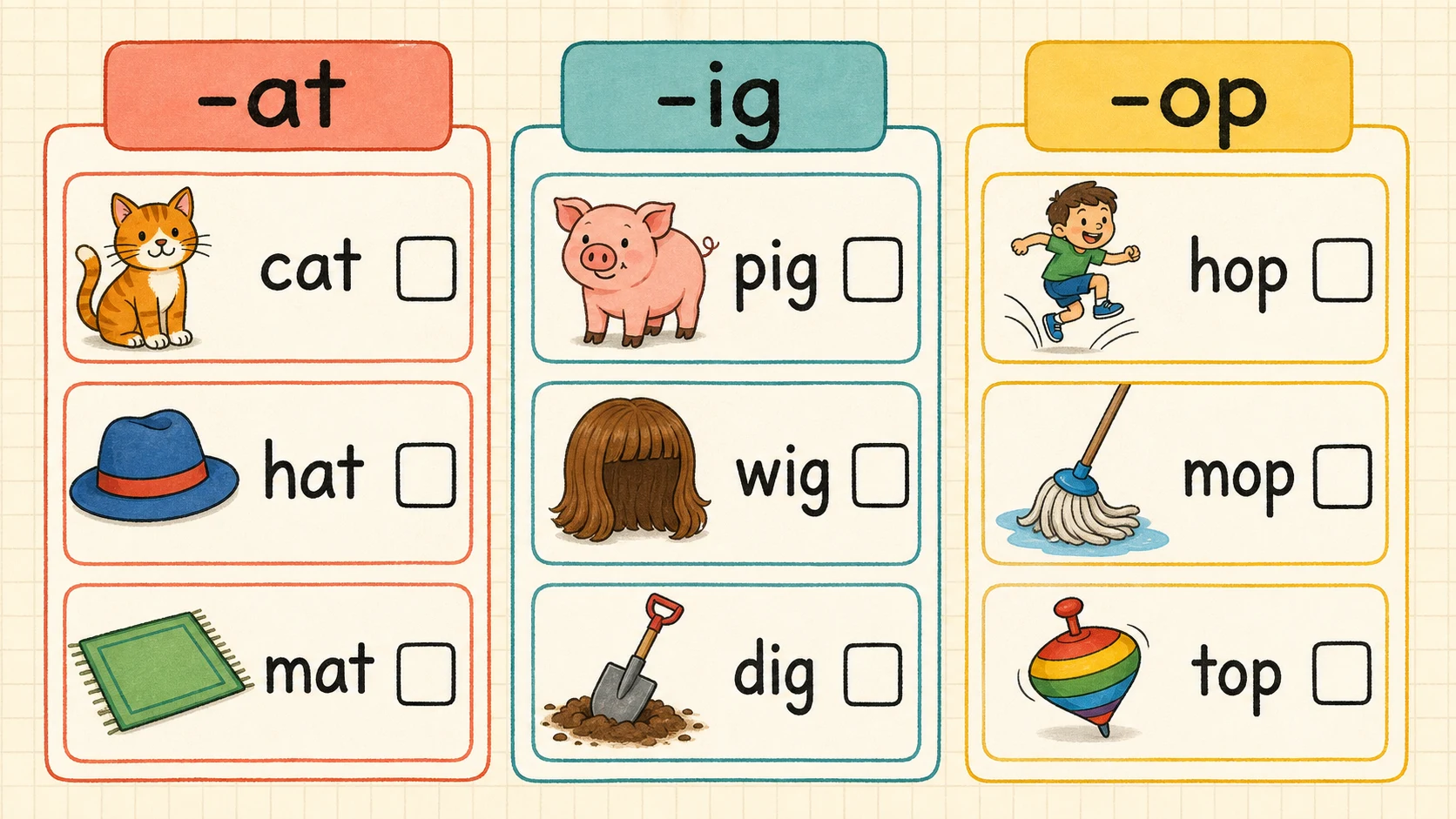
Across two weeks, vary the initial consonants and review schedule while keeping attention on the shared ending pattern.
For the target “read and sort words by rime,” use cat, hat, pig, and wig. The checked groups are cat/hat in -at and pig/wig in -ig.
- A: Match printed words to two visible headers, -at and -ig, and read each word with an adult.
- B: Sort the four words, underline the shared ending, and read them.
- C: Add one real word to each family and use one in a sentence. Valid additions include mat and dig.
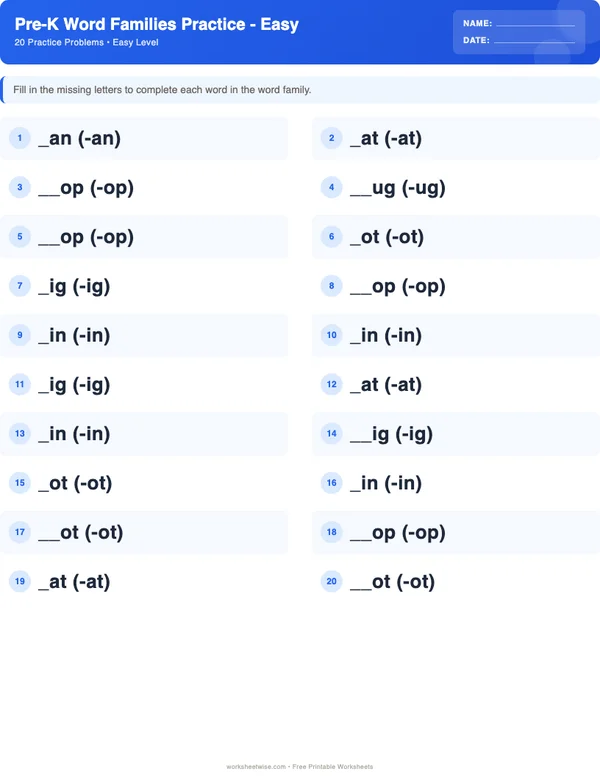
The target is pattern recognition and reading, not the amount of handwriting. The Pre-K Word Families guide and free sheet provides a relevant entry point, but instruction should keep word-family work alongside systematic phonics rather than use shared endings as a substitute for decoding.
Upper-elementary spelling: vary retrieval and application
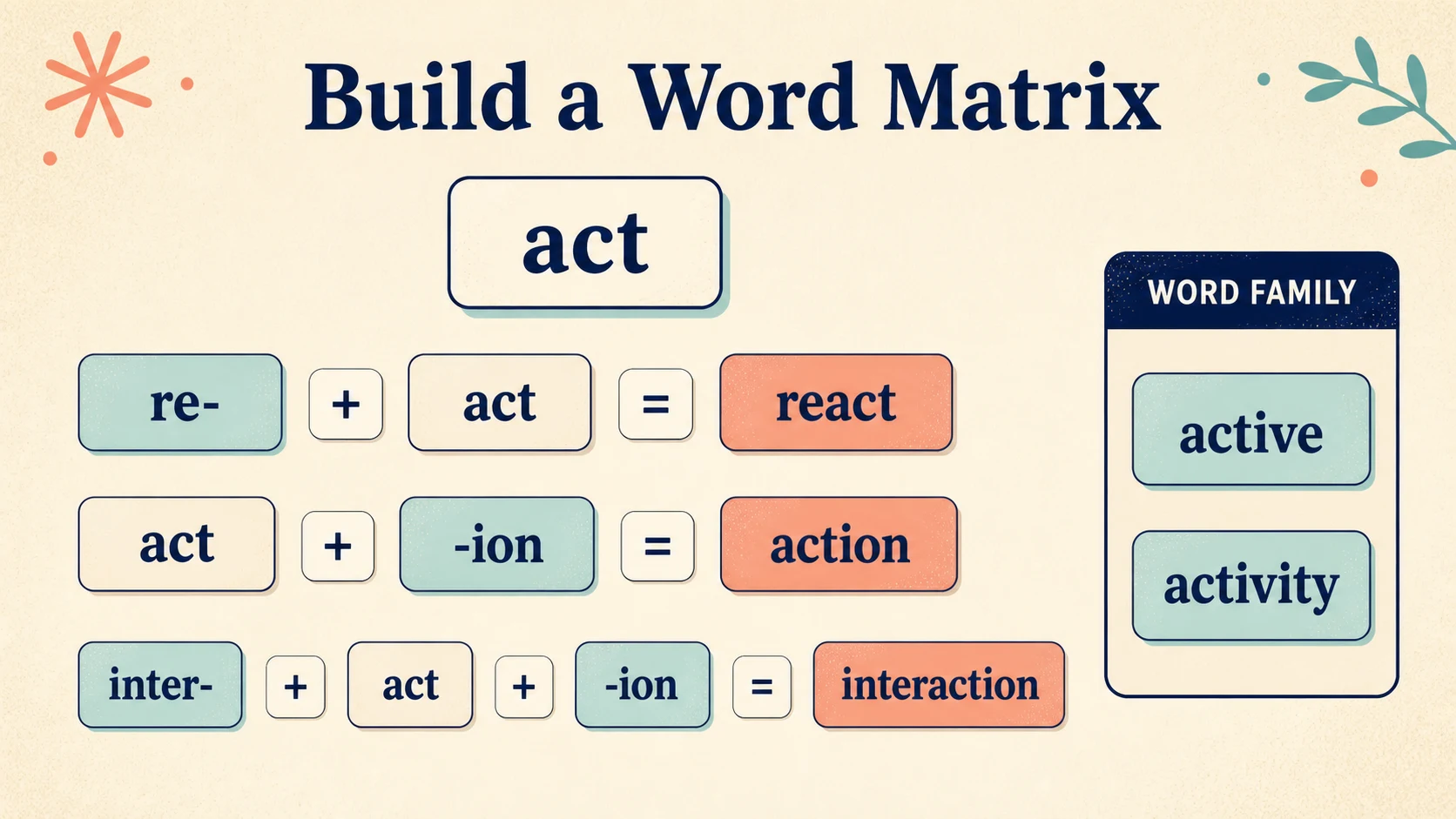
In fifth-grade spelling, preserve the selected pattern while changing whether learners sort, retrieve, explain, or apply the words.
Suppose the target is distinguishing words ending in -tion and -sion. Use the checked set action, station, vision, and division:
- action and station end in -tion.
- vision and division end in -sion.
Version A provides the two endings as headers and the complete words for sorting. Version B dictates the words and asks learners to spell and sort them. Version C asks for a sentence containing one word from each group and an explanation of the observed ending. Do not claim that the four-word sample teaches the full spelling system; it is bounded practice with these examples.
Writing: reduce transcription, not composition
For the target “write a clear opinion with one reason,” Version A might supply oral rehearsal and the frame “I think ___ because ___.” Version B might provide only the prompt. Version C might require a second distinct reason or a revision that replaces a vague word.
The IES elementary writing guide recommends daily writing time, teaching the writing process for varied purposes, explicit instruction in foundational writing skills, and creating an engaged community of writers. Those recommendations favor repeated instruction and revision around the worksheet; they do not establish that a stand-alone page is sufficient writing instruction.
Adjust number bounds and representations deliberately
Number size and visual support should be changed separately when possible. If both change at once, you will not know which feature affected performance.
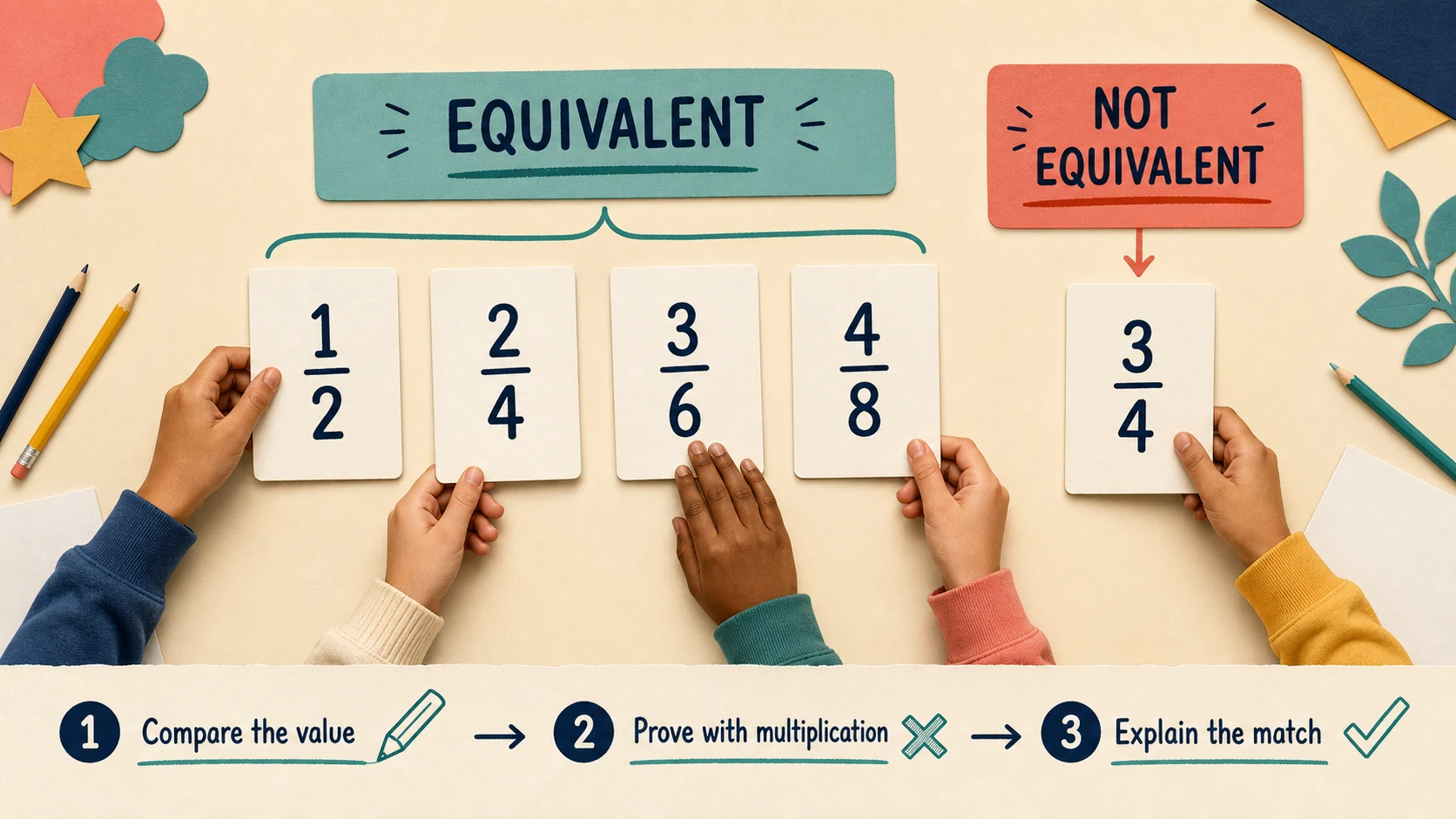
For sixth-grade fraction work, move from a model to symbolic reasoning without replacing the shared comparison target.
Use the checked comparison and . Converting to eighths gives , and . Therefore, .
- A: Shade fraction bars divided into fourths and eighths, then select , , or .
- B: Compare the fractions using a model or equivalent fractions and show the work.
- C: Explain why “5 is greater than 3, so is greater” is invalid, then write a fraction between and . One checked answer is , because and .
This set belongs here because it demonstrates all three versions holding a single comparison goal steady while representation and reasoning demand change.
Standards pages can help adults inspect grade-level descriptions, but they should not be used to make unsupported alignment claims. The Common Core mathematics standards organize expectations by grade and domain; local curricula may introduce, revisit, or assess content in a different sequence.
Keep a record that can drive the next sheet
A useful record takes less than two minutes to complete. For each session, note:
| Field | Example |
|---|---|
| Date and target | Sept. 8 — represent equal groups |
| Version features | Arrays supplied; factors within 6; six items |
| Independent evidence | 4 of 6 correct |
| Prompt that helped | Built one group with counters |
| Error pattern | Added factors on two items |
| Next action | Model as five groups, then retry one unpictured item |
Keep “accuracy” separate from “independence.” A learner who answers all items correctly after a full model has shown different evidence from one who answers independently. Both records can inform instruction without ranking the children.
After two or three sessions, look for a repeated pattern:
- If performance is accurate and independent across varied examples, fade one support or introduce extension.
- If accuracy depends on the same visual tool, retain the tool and add one carefully chosen item without it.
- If the same misconception recurs, pause worksheet repetition and reteach with objects, oral explanation, or a worked example.
- If errors appear only when directions or writing load increase, adapt those features while maintaining the skill.
- If performance varies sharply by day, collect more evidence before changing placement.
For a broader assessment-oriented workflow, use Formative assessment Worksheets With Answer Keys to connect short practice with observable evidence rather than treating a score as a diagnosis.
Reuse a worksheet without rehearsing its answers
A completed sheet can be reused if you change the response action.
On the second encounter, ask learners to:
- cover their old responses and solve selected items aloud;
- identify one correct answer and justify it;
- correct one error in a different color;
- represent a numeric answer with objects or a drawing;
- sort previously solved items by strategy;
- rewrite a problem with a new unknown;
- create a distractor and explain why it is plausible; or
- teach one example to an adult.
Do not use immediate repetition to create the appearance of mastery. A remembered answer is not the same as independently applying the skill. Space the return and alter the surface example when checking transfer.
Answer keys make this routine manageable, but adults should verify open responses against the stated evidence. For printable practice organized around feedback, see Worksheets With Answer Keys.
Know when the worksheet is the wrong tool
Stop or replace the page when it cannot capture the intended learning.
Choose oral, manipulative, movement, discussion, reading, or practical work when:
- a three- or four-year-old needs to touch and count real objects;
- the target is producing or distinguishing speech sounds;
- a learner can calculate but cannot explain the situation represented;
- the page’s reading demand exceeds the math target;
- handwriting prevents a learner from showing an otherwise clear response;
- the concept requires measurement, construction, conversation, or observation;
- repeated errors show that another sheet would merely rehearse the misconception;
- distress or fatigue makes the recorded work unrepresentative; or
- the goal is fluent connected reading, sustained composition, collaboration, or oral communication.
For early counting, for example, place seven buttons in a scattered arrangement. Ask the child to touch or move each button while counting. If an object is counted twice, reorganizing the set and trying again gives more useful evidence than assigning another row of printed numerals. This follows the developmental-progression and progress-monitoring emphasis in IES, Teaching Math to Young Children, while the specific seven-button routine is a practical suggestion for this context.
The worksheet should return only when it offers useful independent practice or a concise record of the target. It should never be used to diagnose a condition, promise an outcome, or force a grade placement.
Make the next three-version set now
Choose one target the learner will practice this week. Write the common evidence statement, then create:
- one supported version with a purposeful representation;
- one core version with the intended task features; and
- one extension version requiring explanation, transfer, or error analysis.
Keep the first trial short—four representative items followed by a check-in—and record both accuracy and the least intrusive prompt that helped. Use the free deterministic worksheet generators to produce the next concrete set, then inspect all three versions before printing to confirm that the learning goal, answer key, and examples still match.
Put it into practice
Use the guide with a real printable
Move from explanation to a short, observable practice task. Check the first item together, then adjust the next session from the learner's actual work.
Open the first free worksheetExplore a neighboring collection
Choose by a different teaching need
No-Prep Worksheets: Print-Ready Practice With Answer Keys Worksheets With Answer Keys: Printable Practice and Feedback After-School Worksheets With Answer Keys Formative Assessment Worksheets With Answer Keys Classroom Worksheets With Answer Keys Homeschool Worksheets With Answer Keys Homework Worksheets With Answer Keys Independent Practice Worksheets With Answer Keys