Curated collectionAnswer keys includedPrint-ready PDFs
Worksheets With Answer Keys: Printable Practice and Feedback
Explain how to separate learner and adult copies, check strategy rather than only correctness, handle self-checking honestly and turn errors into the next teaching decision.
Start with a real resource
Browse this worksheet collection
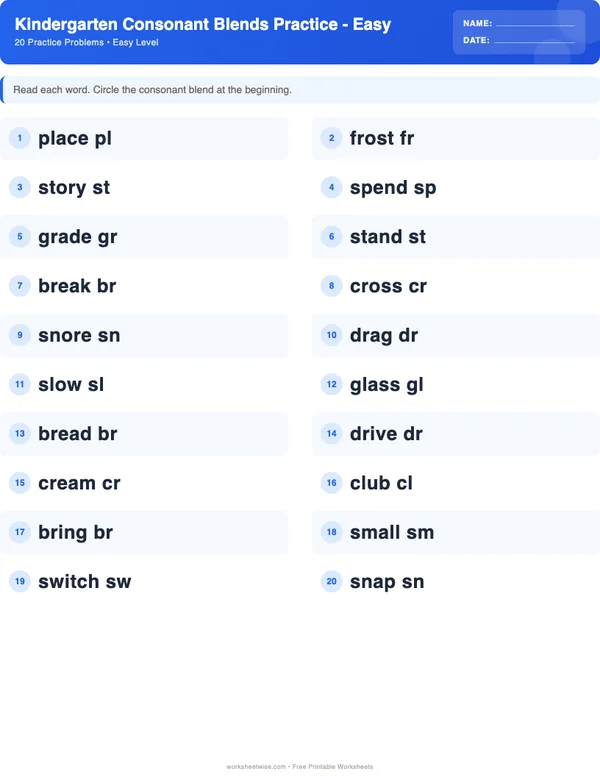
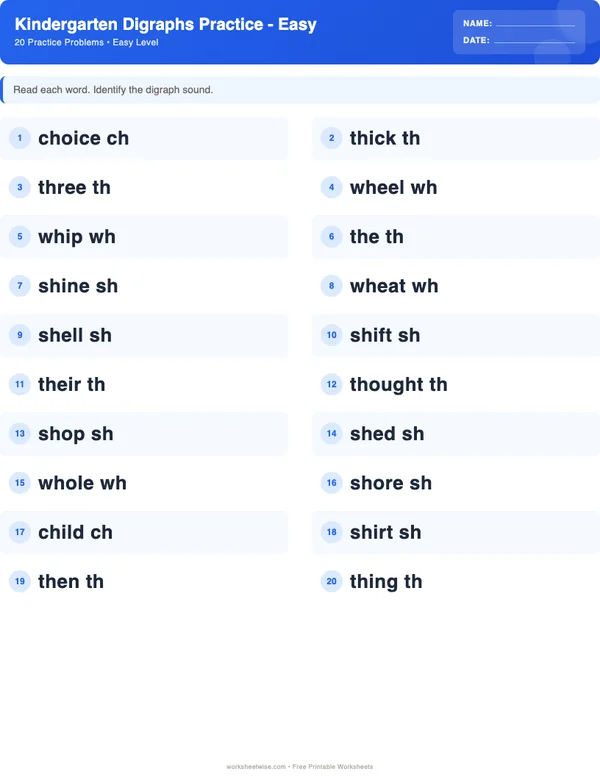
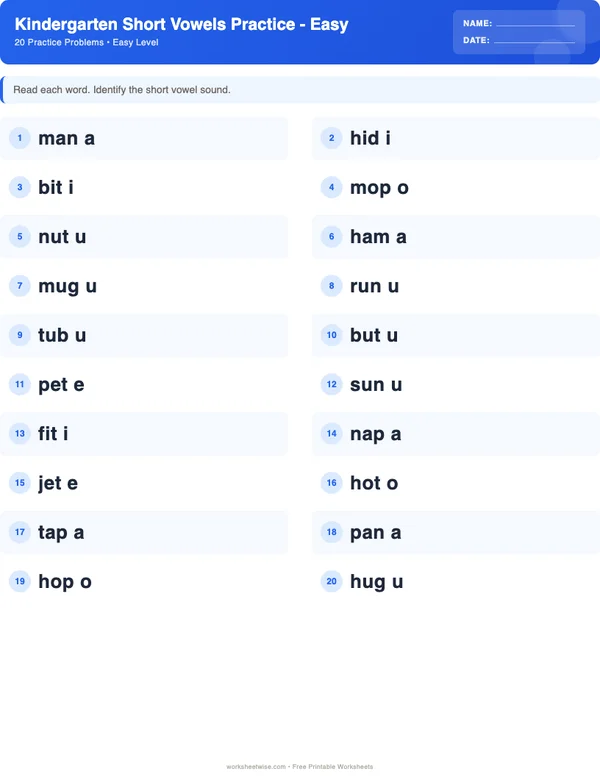
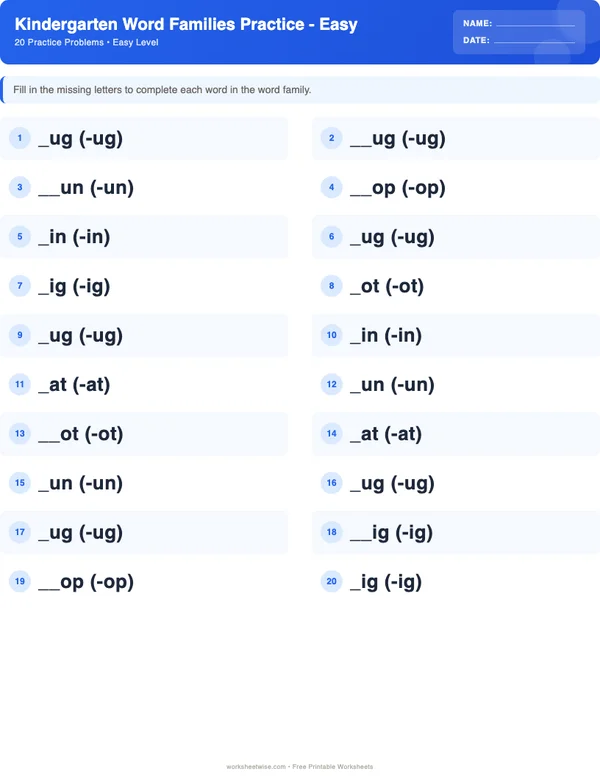
107 relevant free entry points are available. Each one includes a printable learner PDF and separate answer key.
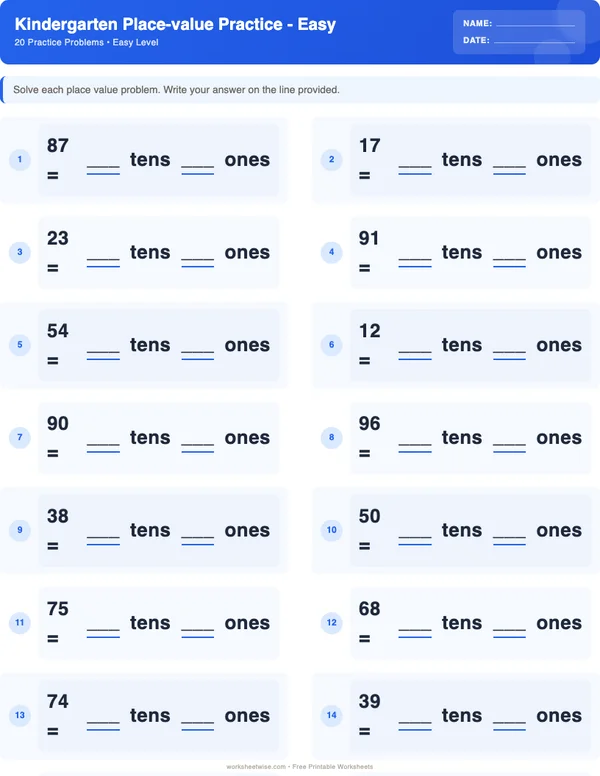
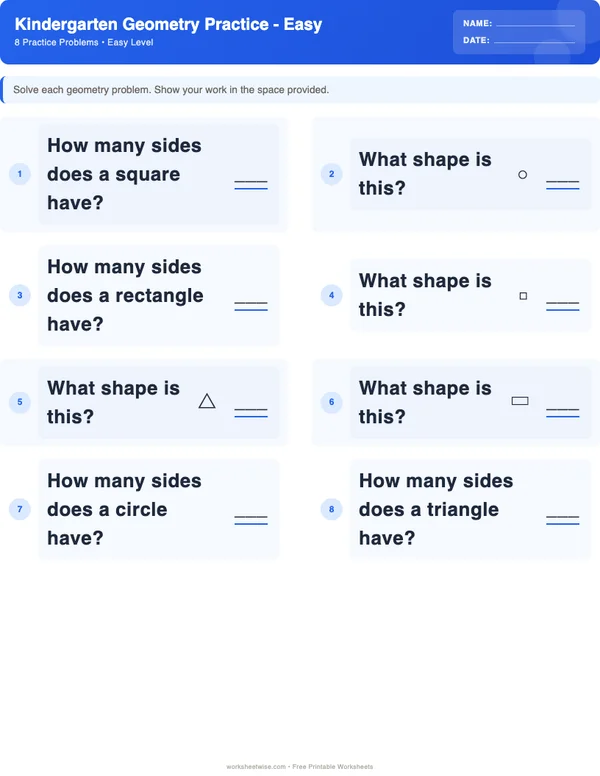
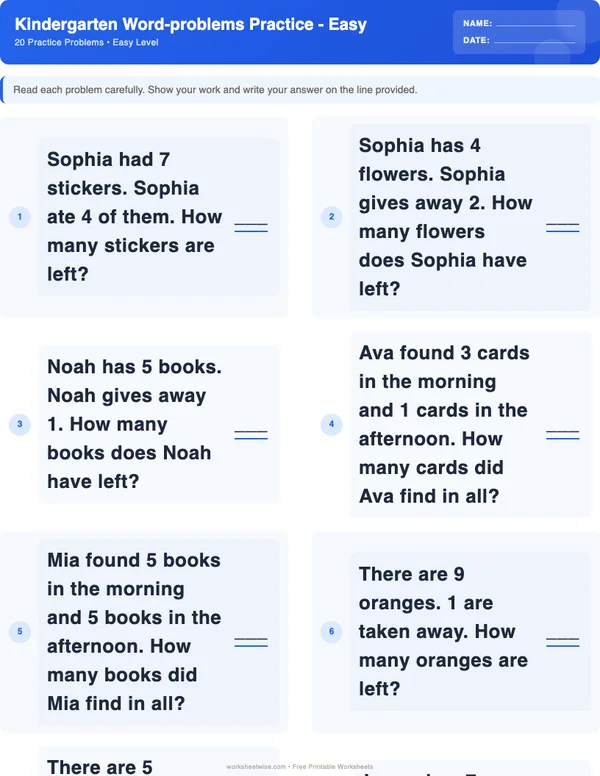
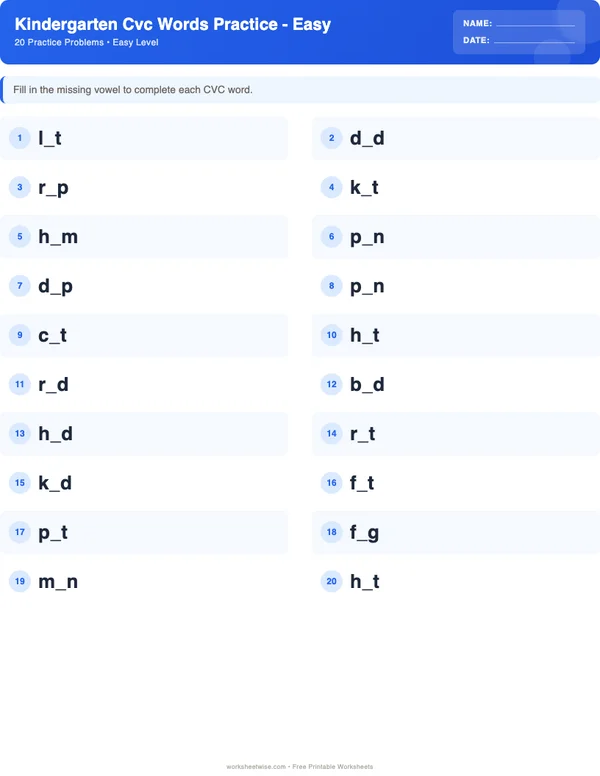
A useful practice loop
Print less. Observe more.
- Choose one skill and model the first item aloud.
- Use a short set and notice the learner’s strategy.
- Change the next task from the work you can see.
Need more than the free sheet?
Plus includes all 1926 matching catalogue variations where available, plus saved deterministic generators and the worksheet designer.
See Plus membershipComplete guide
How to teach and practise worksheets with answer keys
3,554 words Updated 6 instructional visuals
Use the key to decide what to teach next
Worksheets with answer keys are most useful when the adult keeps the key separate, observes how the learner approaches a small set of problems, and treats each error as evidence for the next instructional decision. The key confirms an expected response; it does not explain whether the learner understood the idea, guessed, copied a pattern, misread a direction, or used an inefficient but valid strategy.
A responsible routine has three parts:
- Before practice, choose a sheet whose task actually matches the skill you want to observe.
- During practice, ask for enough visible thinking to distinguish a concept error from a recording error.
- After practice, compare with the key, group errors by likely cause, reteach one point, and check it with a new example.
Keep two copies when possible: an unmarked learner copy and an adult copy with the answer key, notes, or worked models. Do not leave the key visible unless the activity is explicitly a supervised self-check. This separation protects the worksheet’s value as evidence while still allowing immediate, specific feedback.
WorksheetWise’s live collection currently includes 1,926 variants across eight grade labels, four subjects, and 23 topics, with 107 free resources. Those numbers describe the catalogue, not a guarantee that every sheet suits every learner. Grade labels indicate an intended practice level, and local curriculum sequences differ. Age and grade are discovery aids rather than placement decisions.
What an answer key can and cannot tell you
An answer key can settle a narrow question: “What response was expected here?” That is valuable for arithmetic results, selected responses, word sorts, missing letters, and other tasks with constrained answers. It can also help an adult provide prompt feedback without solving every item during the session.
A key cannot establish why an answer was produced. Consider 8 + 5 = 13. A correct 13 could come from counting every object, counting on from eight, making ten, recalling the fact, or copying. Those approaches do not provide the same evidence about the learner’s current strategy. Conversely, an answer of 12 could reflect losing count, omitting one counter, writing the wrong numeral after finding 13, or misunderstanding addition.
The same limit applies in reading. If the expected blend is st in stop, the key can show that st is correct. It cannot reveal whether a learner heard both sounds, recognized the word from its picture, or looked at the answer after becoming stuck.
Use the key as a comparison tool, not as a score-producing machine. A percentage may summarize a page, but an error pattern is more useful for teaching. Three errors caused by dropping the second sound in a blend call for a different response from three unrelated slips.
Select a page by the work it asks the learner to do
A promising title or grade label is not enough. Inspect the actual task before printing.
Match the response mode to the target skill
Ask what the learner must do to answer each item. If you want to observe counting, the task should require counting objects, completing a number sequence, or connecting a quantity to a numeral. If you want to observe short-vowel discrimination, the learner should need to hear or read the vowel—not merely identify a familiar picture.
Also check whether another demand could obscure the target. A mathematically appropriate word problem may be a poor independent task for a learner who cannot yet read its language. Reading the problem aloud preserves the mathematical target when decoding is not the skill being assessed. Explaining the mathematics, choosing the operation, or pointing to the relevant numbers would not preserve it.
Define difficulty through observable features
The catalogue’s representative free sheets are labeled “easy,” but that label should describe the task, never the learner. Translate it into features you can inspect:
- How many items appear on the page?
- Are objects, pictures, ten frames, sound boxes, or number lines provided?
- Is only one skill used, or must the learner switch among skills?
- Are examples blocked by type or mixed?
- Is the answer selected, copied, written, drawn, or explained?
- Does the page require reading, handwriting, or sustained attention beyond the target?
- Are numbers, words, or sentence structures familiar?
A 20-item counting sheet with visible sets and one-to-one matching is different from a 20-item sheet containing missing numbers with no objects. Both may carry the same catalogue difficulty label, but the second asks for more abstract work.
Treat age as a search filter, not a verdict
Age and grade can narrow the catalogue, but placement should follow direct observation of the task. This is especially important for ages three and four. Prioritize brief, adult-led oral work, matching, manipulatives, and movement over extended desk work. A printed page can supply pictures or prompts, but the experience should remain interactive: touch one object per count, move a token for each sound, match two cards, or hop along a floor number line.
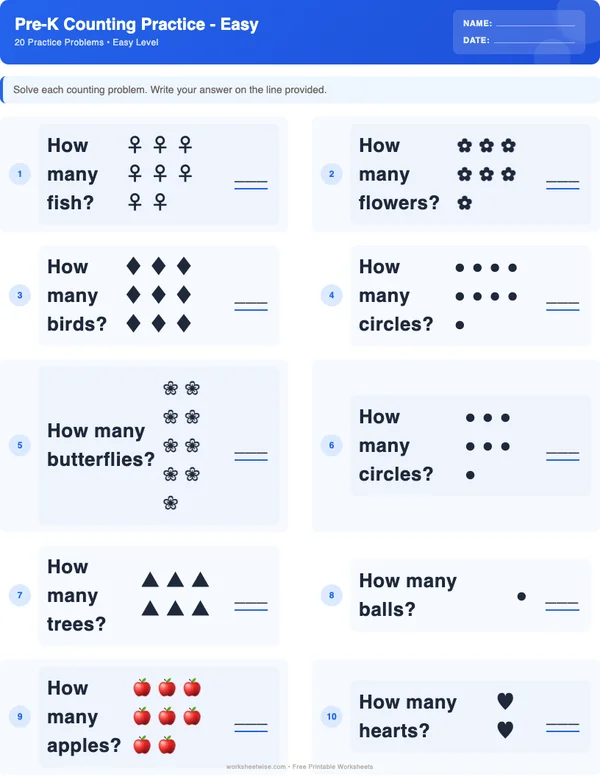
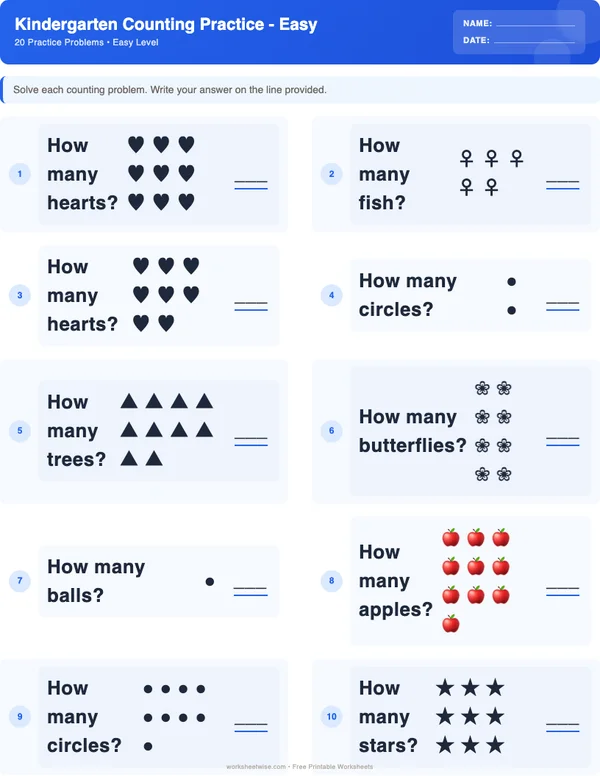
The Pre-K Counting guide and free sheet, for example, can be used as a source of small counting sets rather than assigned as a 20-item independent worksheet. That adaptation preserves counting while reducing handwriting and sitting demands.
Prepare separate learner and adult copies
The physical setup affects the honesty of the evidence.
Mark the adult copy before the session
On the adult copy, circle three to five items that best reveal the target skill. Note an opening prompt, a likely support, and one transfer item you can make orally. Keep the answer key behind the adult copy or on another surface.
Do not write hints on the learner copy unless the support is part of the planned task. If one child receives a ten frame and another does not, their answers were produced under different conditions. That may be appropriate instruction, but it should be recorded rather than treated as directly comparable performance.
Decide the checking arrangement in advance
Choose one of three arrangements:
- Adult check: The learner completes a short set; the adult checks and discusses it.
- Guided self-check: The learner attempts first, then uses the key with the adult to mark and explain discrepancies.
- Independent self-check: The learner checks completed work alone and records corrections.
Independent self-checking is appropriate only when the learner can resist looking ahead, understands that correction is part of learning, and can explain what changed. If those conditions are absent, use guided checking. Calling unsupervised copying “self-checking” hides what happened and produces unusable evidence.
The No-Prep Worksheets collection may reduce preparation time, but “print-ready” does not remove the need to separate copies, inspect the task, and decide how feedback will work.
Follow a before, during, and after routine
A repeatable routine makes the key serve instruction rather than page completion.
Before: state the target and sample one item
Name one observable goal: “Today I’m listening for both sounds in the beginning blend,” or “Today I’m watching how you keep track of objects you have counted.” Avoid “Let’s see if you are good at this.”
Complete one item together without exposing the remaining answers. Ask the learner to restate the direction. For a long page, fold it or cover unused sections. Set a stopping point based on attention and evidence, not on finishing every item.
During: observe the strategy before correcting
Watch the first few responses. Useful prompts include:
- “Show me how you started.”
- “What does this mark stand for?”
- “Can you check that with counters?”
- “Say the sounds slowly.”
- “Which part are you sure about?”
- “Could another strategy give the same answer?”
Record only what you can observe: “counted all five objects again,” “said /s/ /t/ but wrote s,” or “changed the denominator as well as the numerator.” Avoid labels such as careless, lazy, weak, or advanced.
If the learner makes the same error twice, pause. Twenty repetitions of a misunderstood procedure usually produce more evidence of the same misunderstanding, not better practice. Model one item, solve one together, and give one new item.
After: compare, classify, reteach, verify
First let the learner compare attempted answers with the key. Use a neutral correction mark rather than covering the original response. Then choose one discrepancy and ask the learner to reconstruct the thinking.
Classify the issue provisionally:
- concept or sound-pattern misunderstanding;
- strategy breakdown;
- direction or language misunderstanding;
- visual tracking or recording slip;
- unsupported guess;
- answer-key or worksheet problem.
Reteach with a representation suited to that hypothesis, then verify with an unprinted example. If the learner merely copies the correct answer, you have a correction on paper but no evidence of changed understanding.
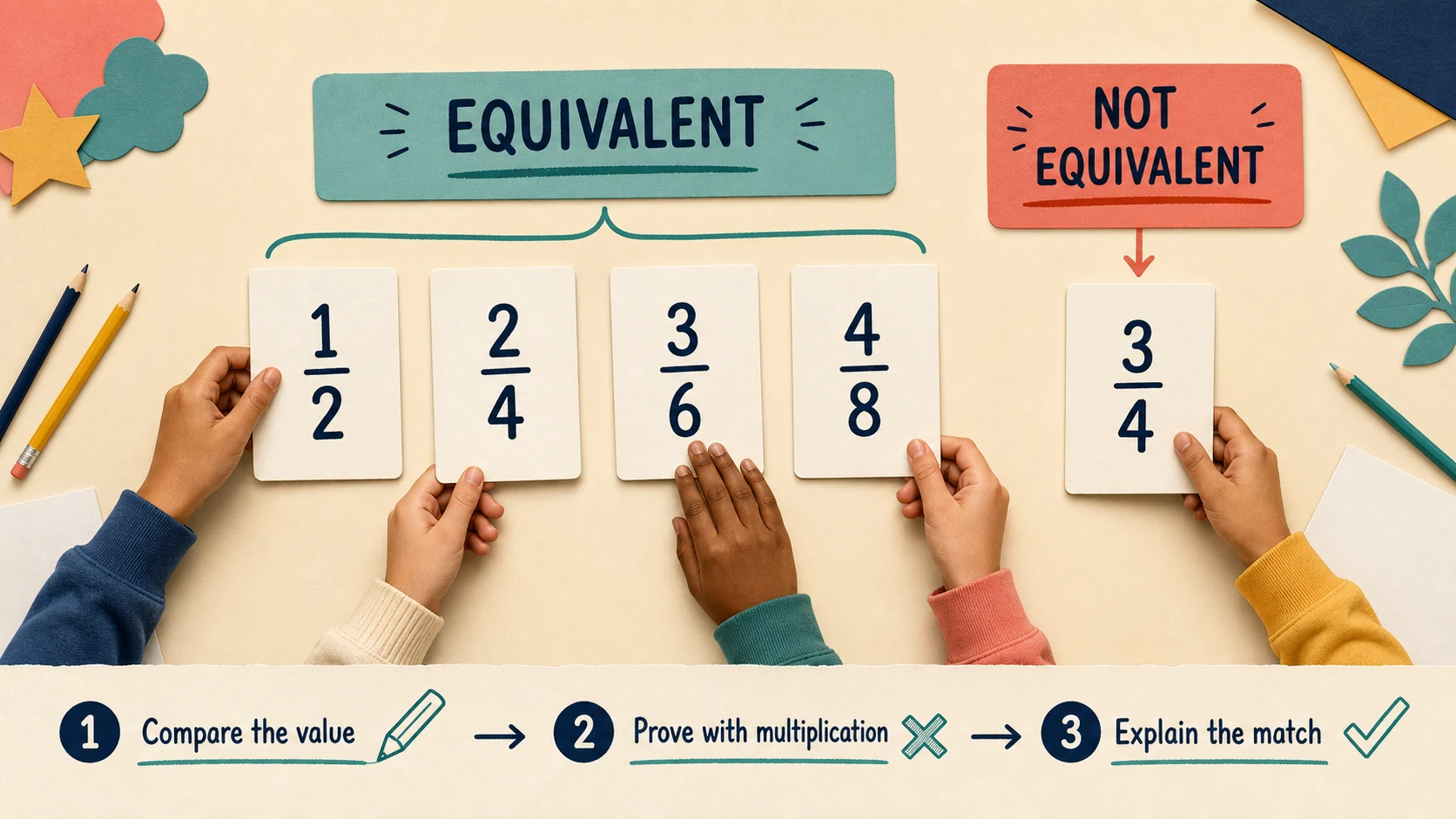
A fractions routine is complete only when checking leads to explanation, a targeted model, and a fresh problem rather than a copied correction.
Read errors as patterns, not verdicts
A single wrong answer rarely justifies a broad conclusion. Look for repetition across comparable items and check whether the same behavior appears in a new example.
Consonant blends: listen before supplying the letters
Suppose a second-grade practice item expects stop, but the learner reads or writes sop. The answer key identifies the missing t; it does not establish the cause. Ask the learner to stretch the word and tap one finger for each sound: /s/ /t/ /o/ /p/. Then contrast sop and stop, if the first word is presented simply as a sound sequence rather than assumed vocabulary.
If the learner says all four sounds but still records sop, focus on mapping each sound to a letter. If the learner omits /t/ orally, return to listening and blending before spelling. A new check such as step belongs here because it preserves the initial st blend while changing the rest of the word; repeating stop could measure memory of the correction.
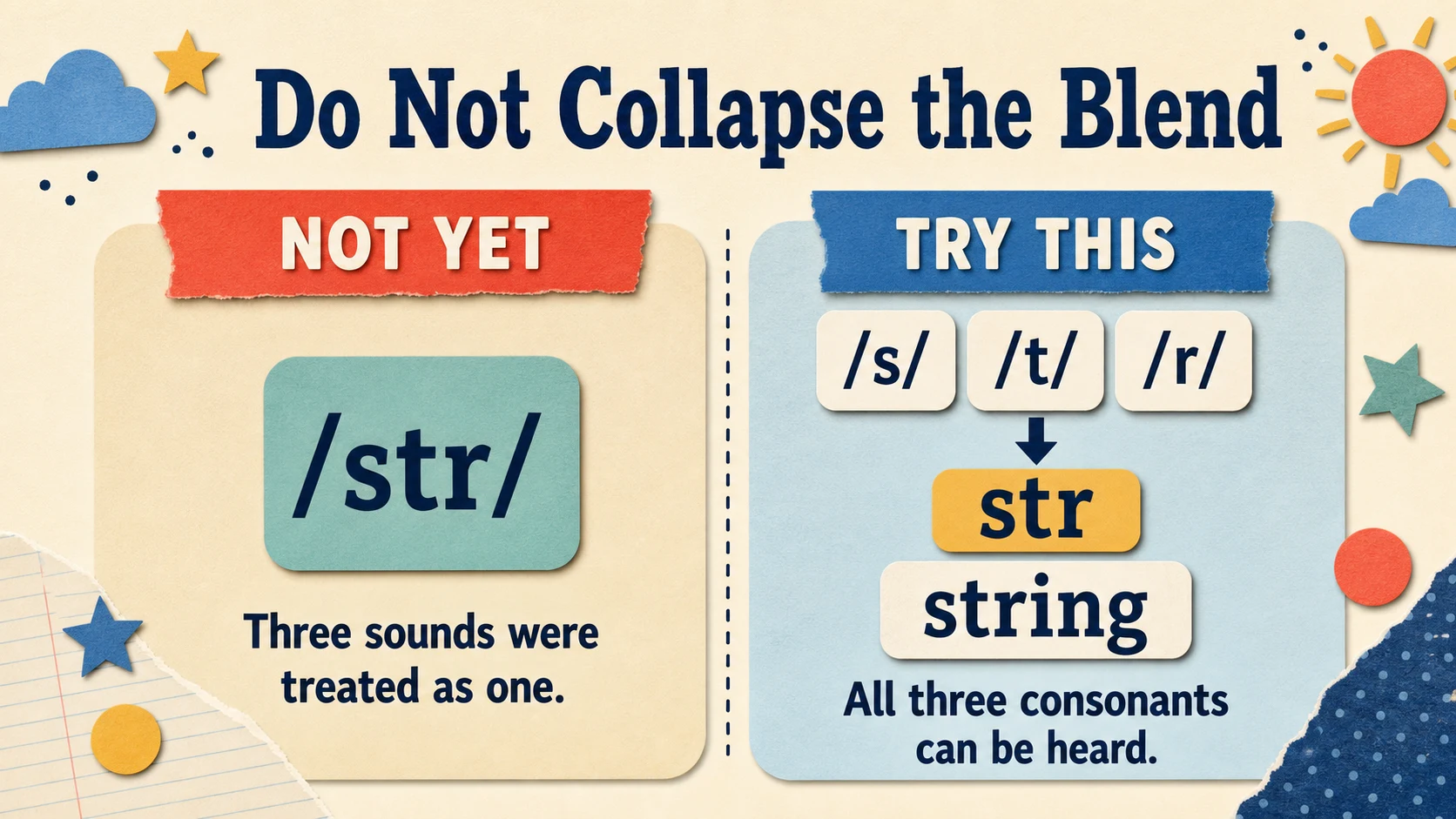
The useful comparison is between the visible error, the learner’s spoken sounds, and the smallest teaching response that tests the suspected cause.
The IES foundational reading practice guide recommends explicit work connecting speech sounds with letters and using word reading and writing activities. That guidance supports listening to the learner’s blending and spelling process; it is not an assessment of WorksheetWise or any specific sheet.
Early addition: distinguish counting from composing
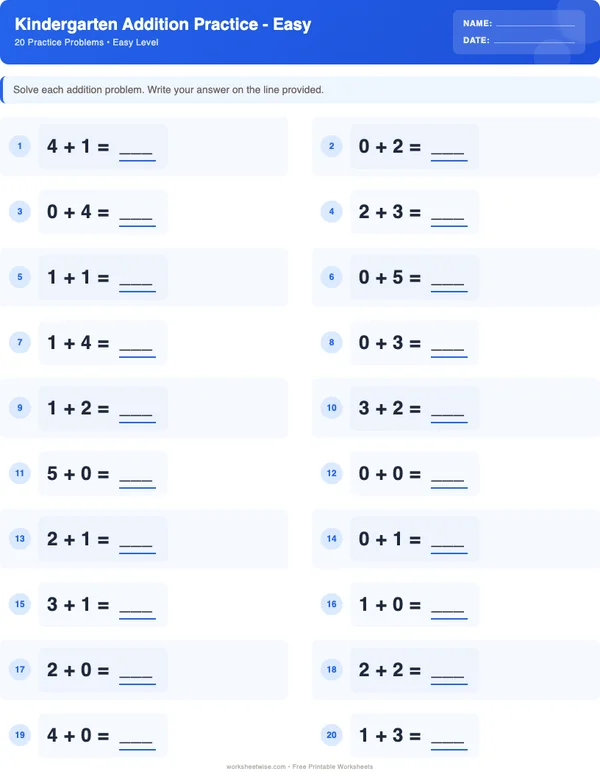
For the checked example 8 + 5, one efficient strategy is to decompose five into two and three: 8 + 2 = 10, then 10 + 3 = 13. Verify the arithmetic: five has been partitioned into 2 + 3, and 8 + 2 + 3 = 13.
If a first-grade learner answers 12, do not immediately assign more addition facts. Ask for a model with eight counters and five counters. Have the learner move two of the five to complete a group of ten, leaving three. If the model is correct but 12 is written, the next action is numeral recording or recounting, not reteaching the meaning of addition. If the learner combines only four of the five counters, the issue may be tracking the addend.
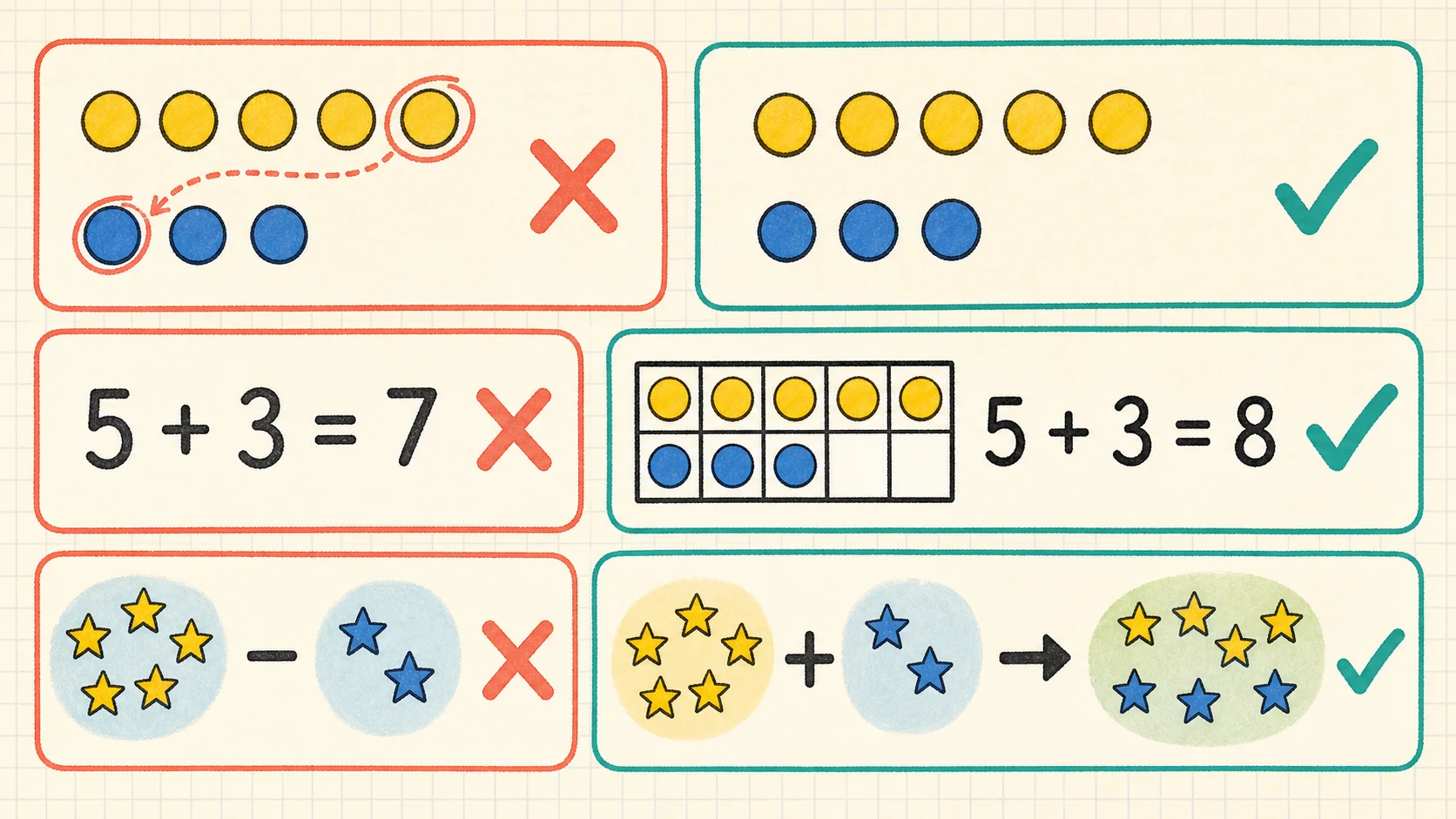
An addition key gives the total; counters and the learner’s explanation show whether the correction should address quantity, strategy, or notation.
The IES guide to assisting students struggling with mathematics supports systematic instruction, visual representations, and deliberate attention to mathematical language. Use those principles to select a response after observing the error, not to infer a diagnosis from one page.
Early fractions: keep the whole visible
Consider a picture divided into four equal parts with one part shaded. The expected fraction is 1/4: one selected equal part out of four equal parts in the whole. If a first-grade learner writes 3/4, ask, “What does your top number count?” The learner may have counted unshaded parts. If the learner writes 1/3, the likely issue is counting divider lines or visible unshaded regions rather than all equal parts.
Rebuild the example with a paper square folded into four equal sections. Shade one section, then point to every equal part while counting the denominator. Change the check item to two shaded sections out of four. The answer is 2/4; do not require simplification to 1/2 unless equivalence is part of the intended lesson. This example belongs on an answer-key page because both 2/4 and 1/2 can describe the same amount, while a narrowly written key may show only one form. Adults must decide whether an equivalent response meets the actual target.
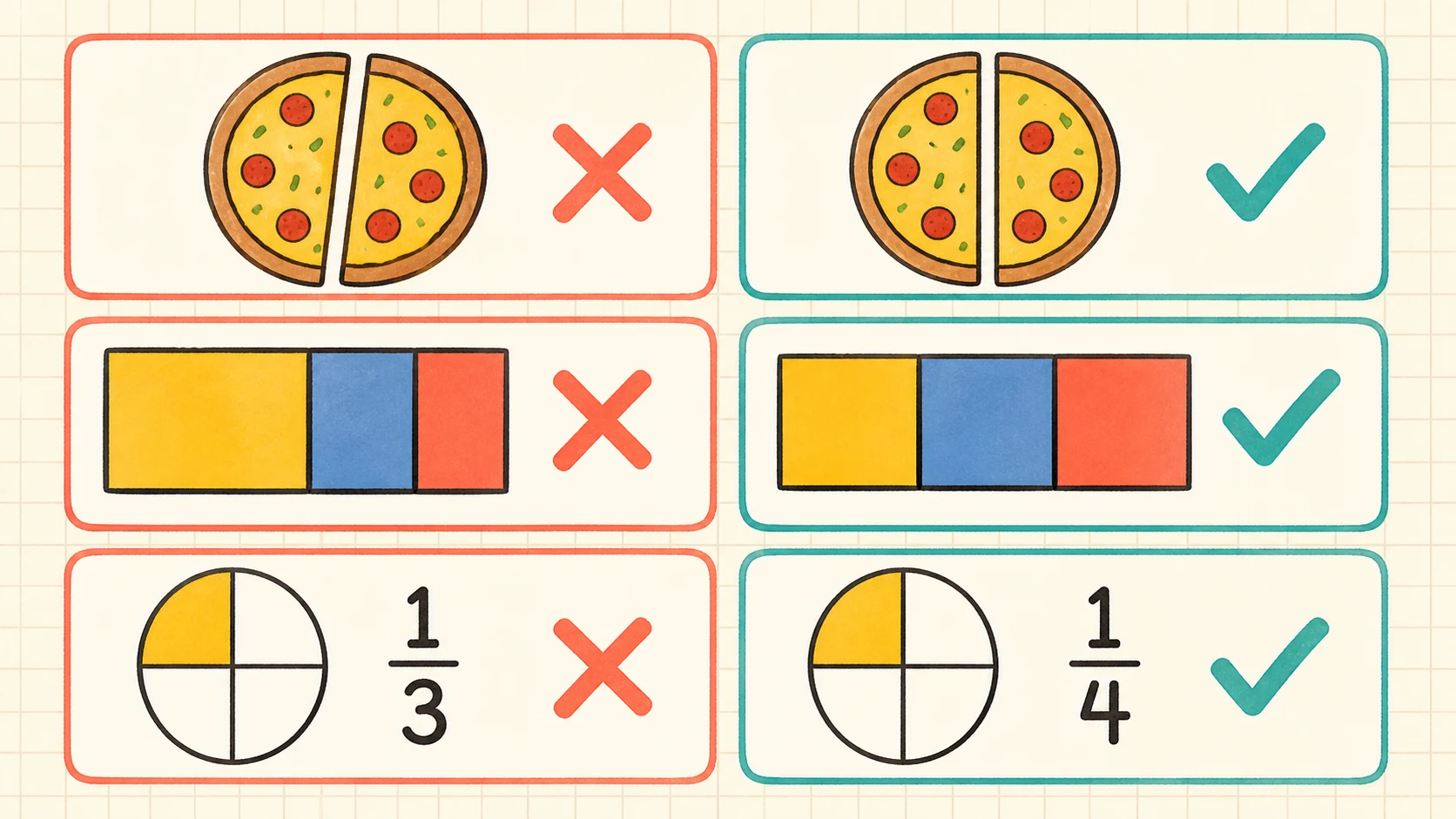
Fraction corrections should reconnect numerator and denominator to one clearly defined whole before the learner attempts another symbol-only item.
The Common Core mathematics standards provide grade-organized descriptions of mathematical content and practices, but a standards page does not determine an individual learner’s placement. Local sequences differ, and the worksheet’s intended grade remains a practice label rather than a diagnosis.
Pre-K counting: change the arrangement to test one-to-one counting
The catalogue’s representative Pre-K Counting resource has 20 problems and is labeled easy. For a three- or four-year-old, do not treat completion of all 20 as the goal. Select one pictured set, provide the same number of buttons, and ask the child to move each button into a cup while saying one number word per move.
Suppose the set contains seven objects. Verify by pairing one count word with each object: one through seven, with the last number naming the total. Then scatter the same seven buttons and ask again. If the child gives seven in a neat row but eight when the objects are scattered, the next decision is to practice organizing or moving counted objects—not to advance to larger numbers.
This example belongs here because the printed answer 7 cannot show whether the child used one-to-one correspondence. The adult-led movement task preserves the counting target while removing unnecessary writing and limiting desk time. The IES early mathematics guide emphasizes building young children’s mathematical understanding through developmental progressions, monitoring, and instruction integrated into everyday activity. It did not evaluate this collection.
Use self-checking without turning the key into a shortcut
Self-checking should expose a difference between an attempted response and the expected response. It should not erase the attempt.
Ask the learner to:
- Complete a defined group of three to five items without the key.
- Use a different color to mark agreement or disagreement.
- Keep the original answer visible.
- Explain one correction aloud or with a model.
- Complete one parallel item without consulting the key.
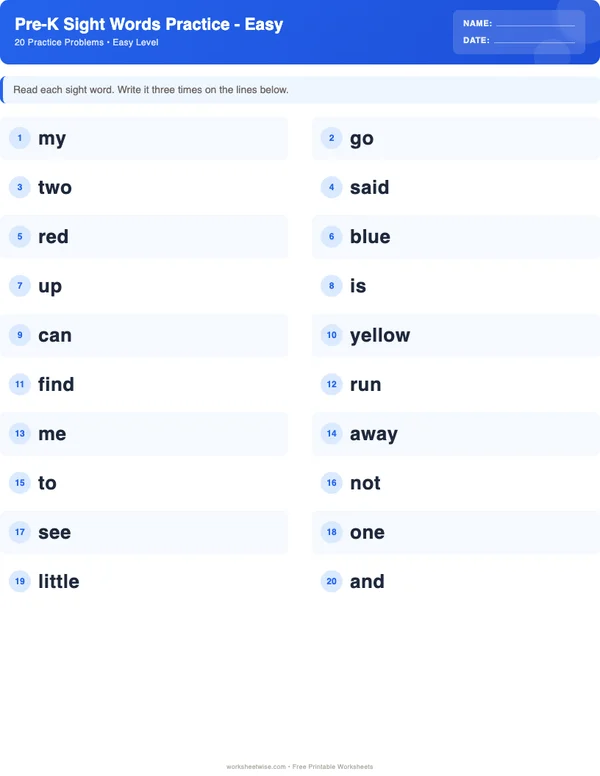
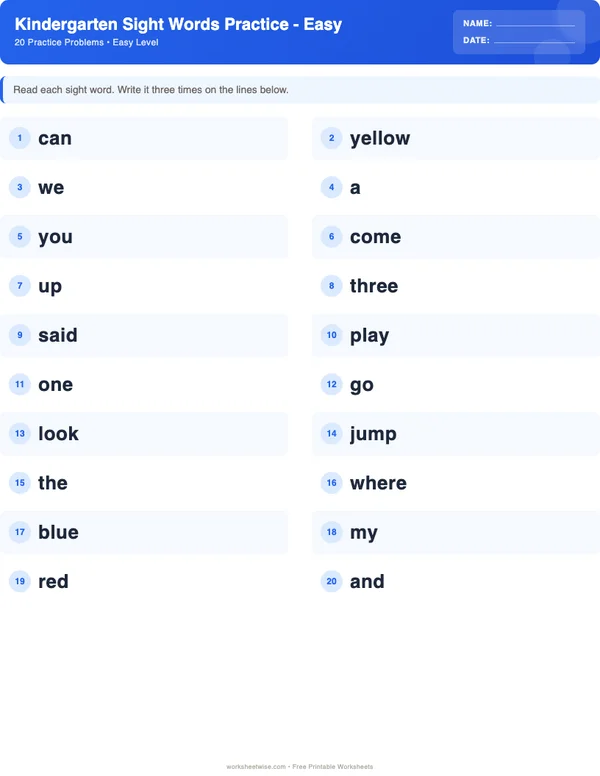
For sight words, a learner might first read a short list, then check the printed forms, circle the unexpected part of a word, cover it, and write it from memory. A new sentence containing the word provides a better check than copying it three times.
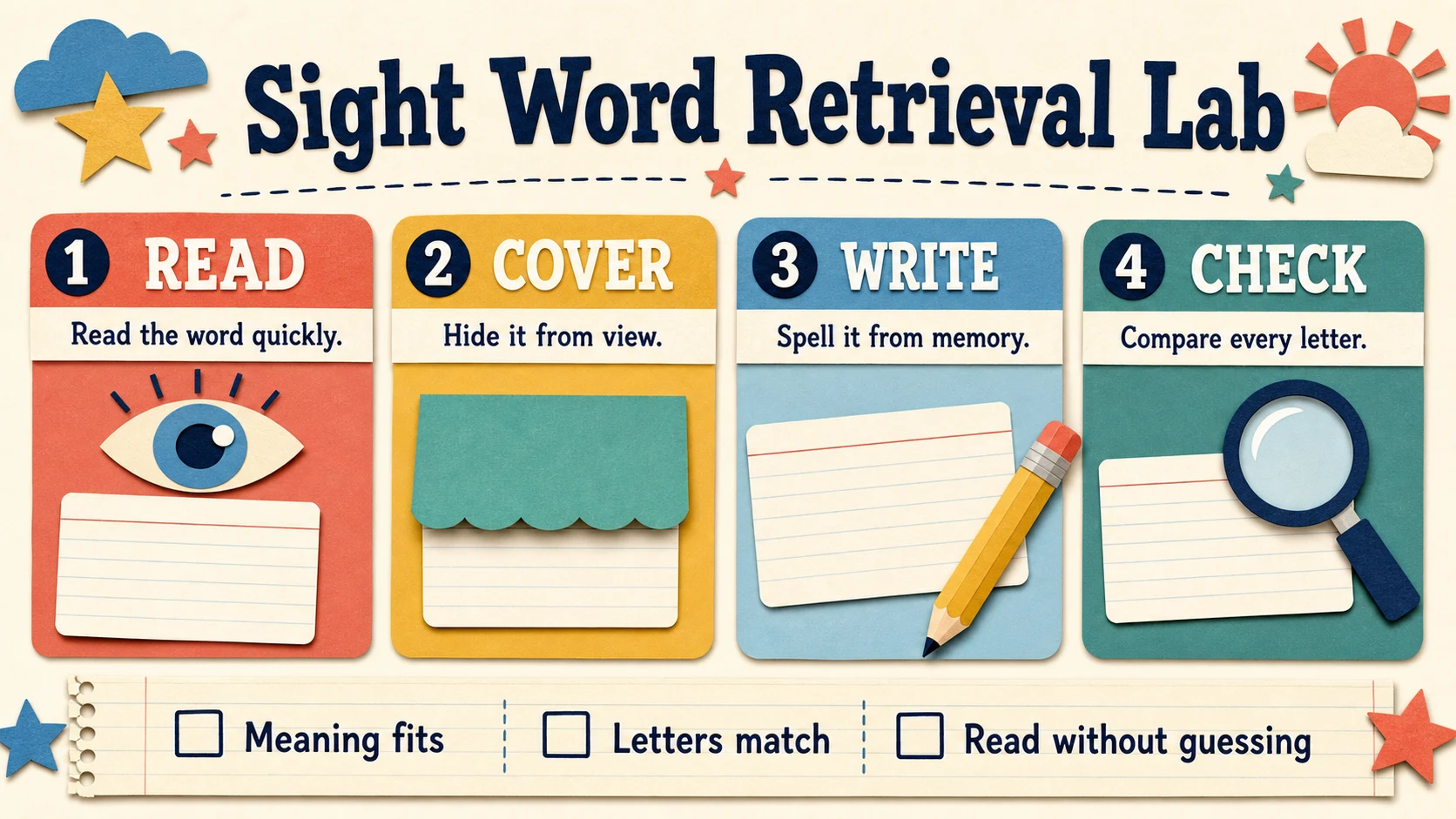
A review plan should revisit words in reading and writing contexts; the key supports comparison but cannot demonstrate automatic recognition by itself.
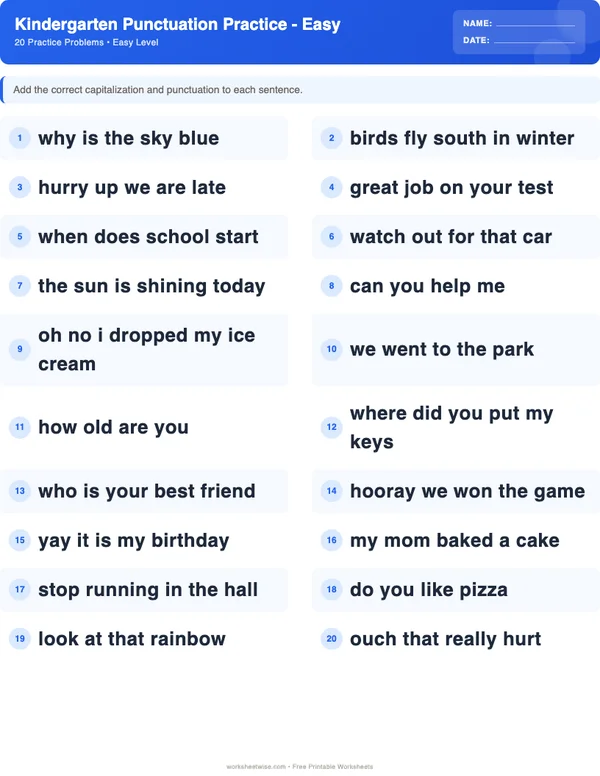
Use the key selectively with open responses. A writing prompt may have many defensible sentences. Check spelling, punctuation, or grammar only if those features were explicitly targeted, and avoid treating a sample sentence as the sole acceptable answer. The IES elementary writing guide addresses teaching the writing process, foundational skills, and purposeful writing practice; that broader instructional guidance is a better frame for feedback than answer matching alone.
Adapt the worksheet while preserving the target skill
An adaptation is useful only if it reduces an irrelevant barrier without performing the target work for the learner.
For math, you may:
- read directions or story text aloud when decoding is not the target;
- reduce the number of visible items;
- enlarge the page;
- supply counters, ten frames, fraction strips, or a number line;
- permit an oral explanation or pointing response when handwriting is not being evaluated.
For phonics, you may:
- pronounce a picture’s name so vocabulary does not obscure sound analysis;
- provide counters for phonemes;
- allow magnetic letters instead of pencil writing;
- limit choices while retaining the sound contrast;
- read directions aloud without reading the target word.
Do not preserve a counting task by counting the objects for the learner, a decoding task by saying the word first, or an operation-choice task by identifying the operation. Those prompts remove the very decision you intended to observe.
The Differentiated Worksheets collection can help adults look for alternate task versions, but differentiation should still be based on observable task features. It does not mean assigning an identity such as “easy learner” or “advanced learner.”
Check the worksheet and its key before use
Even a well-matched topic can contain a defective or ambiguous item. Conduct a short adult audit.
Rework every selected answer
Solve the chosen math items independently. For phonics, pronounce each word and verify that its spelling pattern matches the stated category. Check that pictures have only one likely name for the target sound. For matching and multiple-choice tasks, confirm that exactly one choice is defensible.
For fractions, identify the whole and verify equal partitioning. For word problems, confirm that all necessary information is present and that the key answers the question actually asked. For writing or language tasks, determine whether more than one response could be acceptable.
Inspect the key’s format
Check whether the key:
- maps clearly to item numbers;
- shows units where units are required;
- permits equivalent mathematical forms;
- distinguishes a model response from a uniquely correct response;
- contains legible symbols and unambiguous markings;
- reflects the same version as the learner sheet.
If the key is wrong or incomplete, annotate the adult copy before the session. Do not ask the learner to accept a printed response over sound reasoning. When a disagreement arises, return to objects, definitions, text evidence, or calculation.
Avoid the misuses that destroy useful evidence
Several common practices make answer-key worksheets less informative.
Grading only the final answer. This misses valid alternative strategies and hides misconceptions beneath correct guesses. Ask for a model or explanation on a small sample rather than demanding written work for every item.
Finishing the whole page after the pattern is clear. Once the same error occurs repeatedly, pause for instruction. More items may rehearse the error and exhaust attention.
Showing the key too early. A visible key changes the task from solving to copying or recognition. Keep it separate until an attempt is recorded.
Correcting everything at once. Select one high-leverage pattern. A page covered in adult marks gives little direction about what to practice next.
Using a score as placement. A worksheet sample is affected by familiarity, language, attention, motor demands, prompting, and item design. It is not a diagnosis or a complete measure of learning.
Treating grade labels as fixed boundaries. They describe intended practice level. Local curriculum sequences differ, and direct task evidence should guide selection.
Using speed as the default goal. Timing can distort strategy use and increase guessing. Use it only when fluent retrieval is the explicit target and conceptual understanding has already been established.
Turn one correction into a short practice plan
A useful plan alternates instruction, brief practice, and delayed checking. It does not repeat an entire worksheet every day.
For the verified addition example, a first session might model 8 + 5 with counters and a ten frame. The learner then solves 9 + 4 by making ten: move one from four to nine, giving 10 + 3 = 13. The next session can revisit the strategy with 7 + 6: move three from six, giving 10 + 3 = 13. Later, mix in an item where counting on is convenient so the learner must choose rather than imitate.
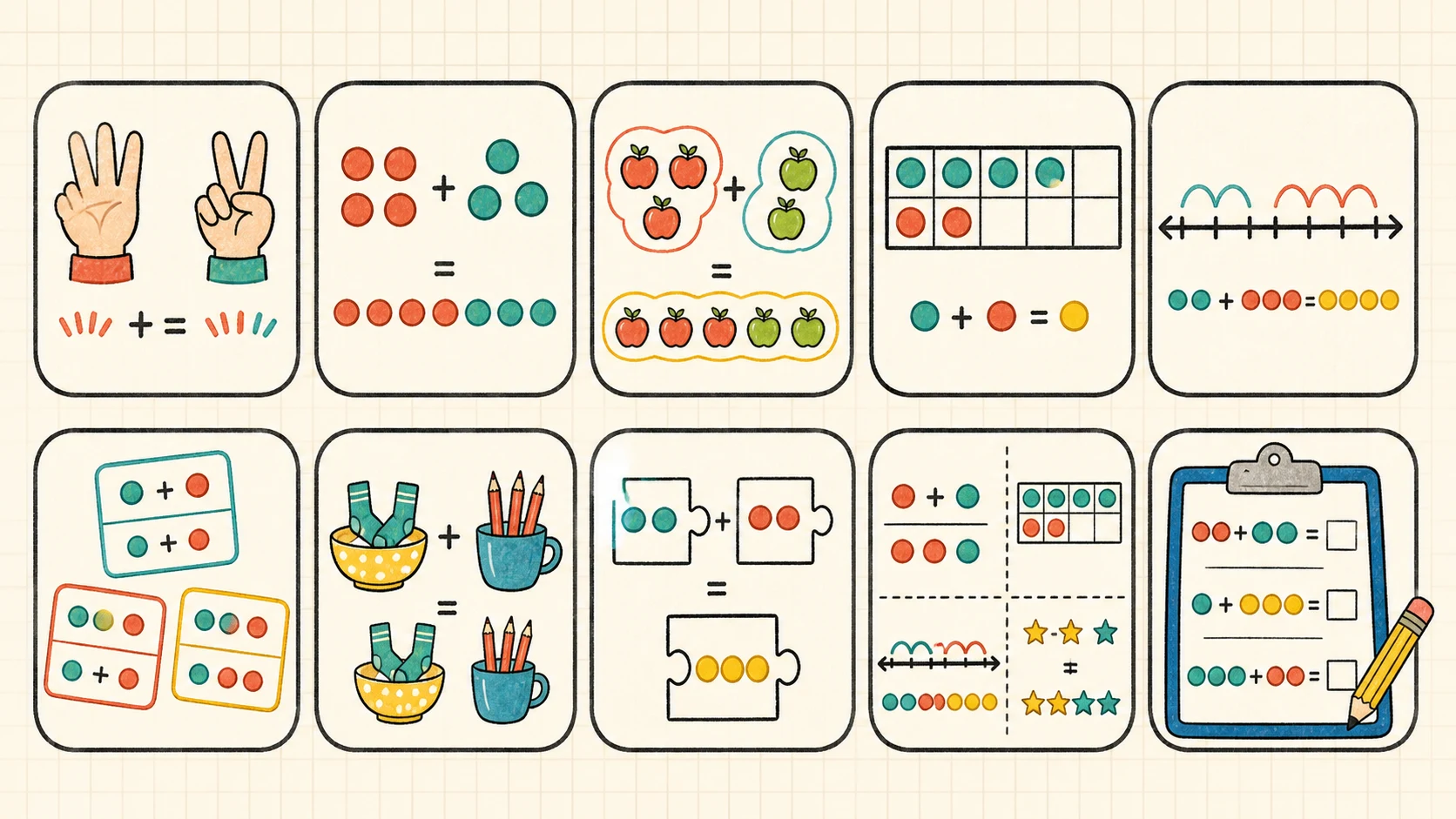
A two-week plan should space a specific strategy across new examples and include checkpoints that reveal whether the learner can choose it independently.
Record the date, target, support used, observed strategy, error pattern, and next check. “Four of five correct” is less actionable than “used counters accurately; lost track when counting mentally; next session starts with one ten-frame example and one unassisted transfer item.”
How the live collection supports this workflow
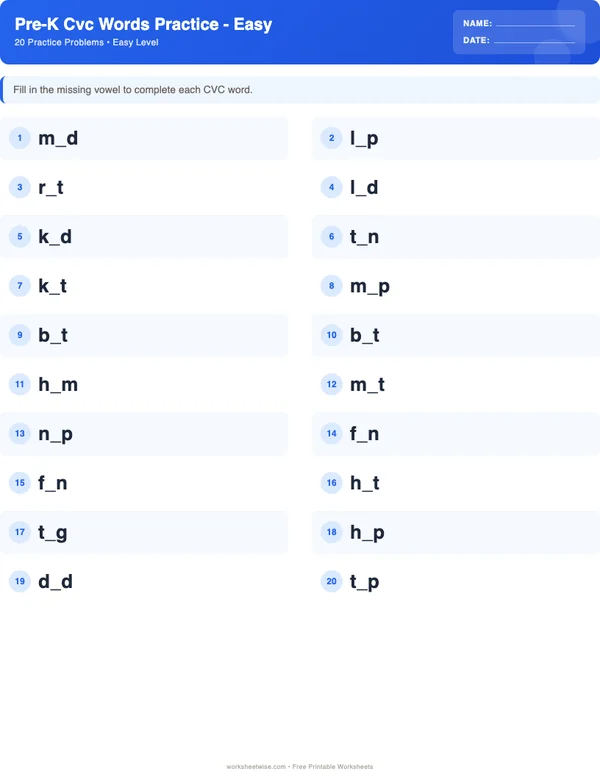
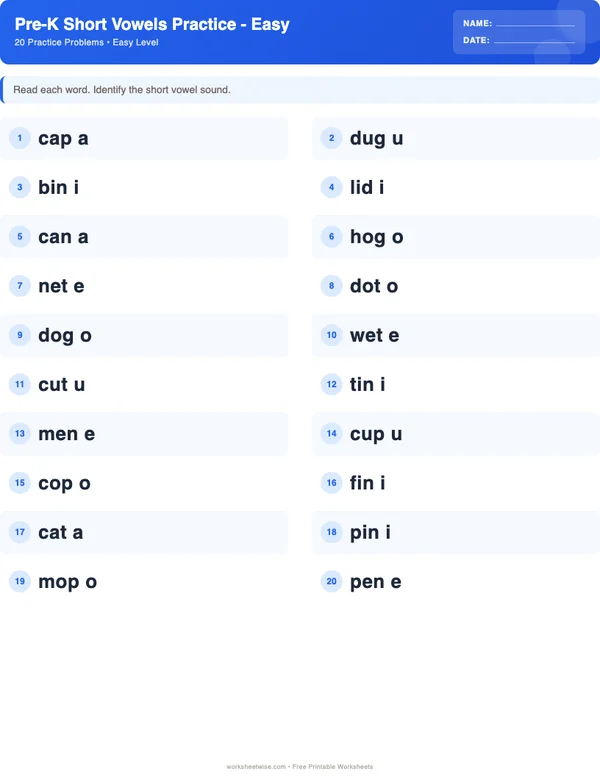
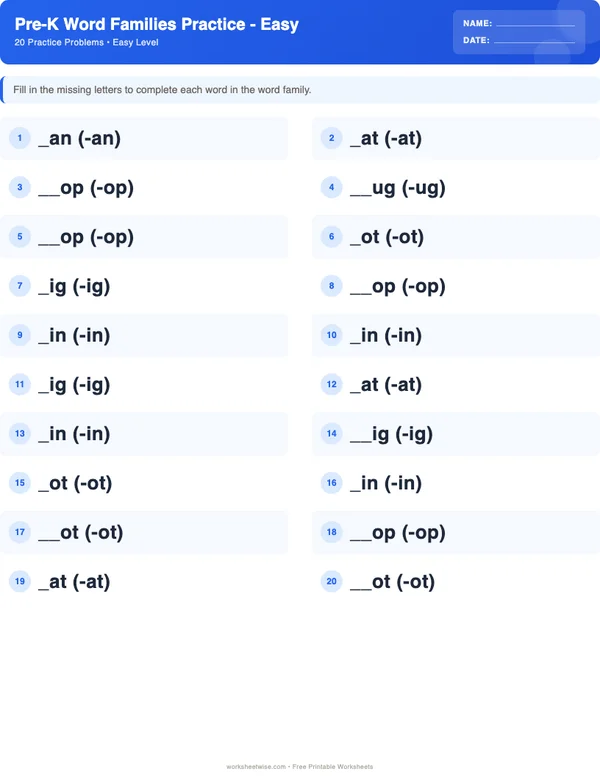
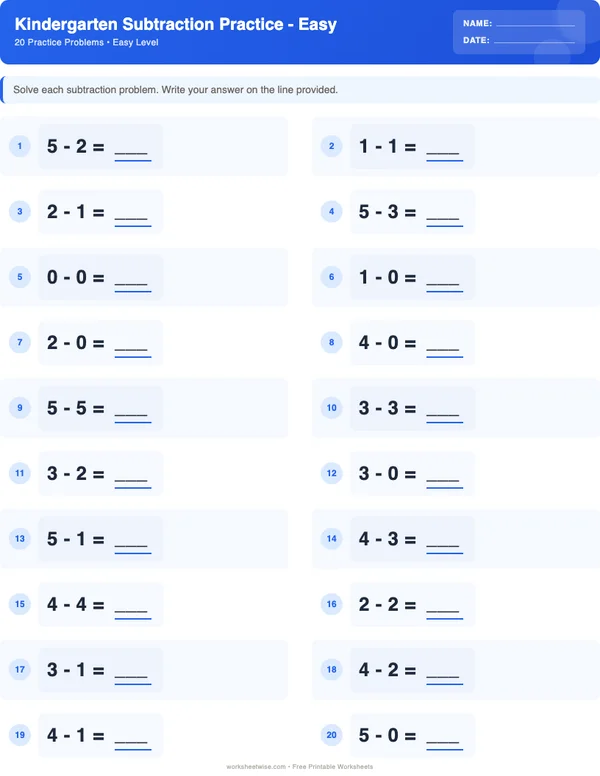
The live catalogue offers breadth: 1,926 variants, 107 free resources, eight grade labels, four subjects, and 23 topics. The 107 free entry points allow adults to inspect actual task demands before considering a broader sequence. Representative resources include Pre-K and kindergarten counting, early addition and subtraction, place value, geometry, word problems, and phonics work involving CVC words, consonant blends, digraphs, short vowels, word families, and sight words.
That range helps with matching, but it does not automate instructional judgment. The catalogue provides worksheets and answer keys; the adult must still verify selected items, protect the learner copy, observe strategy, interpret errors cautiously, and choose the next representation or example. The included grade and difficulty labels organize discovery. They do not establish placement, standards mastery, a learning condition, or a promised outcome.
For the next session, open the full worksheet library, choose one sheet with a single observable target, solve its selected items yourself, and prepare separate learner and adult copies. Stop after three to five informative responses, teach the clearest error pattern, and finish with one new item that the learner completes without the key.
Put it into practice
Use the guide with a real printable
Move from explanation to a short, observable practice task. Check the first item together, then adjust the next session from the learner's actual work.
Open the first free worksheetExplore a neighboring collection
Choose by a different teaching need
No-Prep Worksheets: Print-Ready Practice With Answer Keys Differentiated Worksheets With Answer Keys After-School Worksheets With Answer Keys After-School Grammar Worksheets After-School Math Worksheets After-School Phonics Worksheets After-School Spelling Worksheets Formative Assessment Worksheets With Answer Keys