Curated collectionAnswer keys includedPrint-ready PDFs
Formative Assessment Worksheets With Answer Keys
Sample a defined skill, observe strategy and error patterns, and choose an instructional response; these are practice checks, not standardized or diagnostic instruments.
Start with a real resource
Browse this worksheet collection
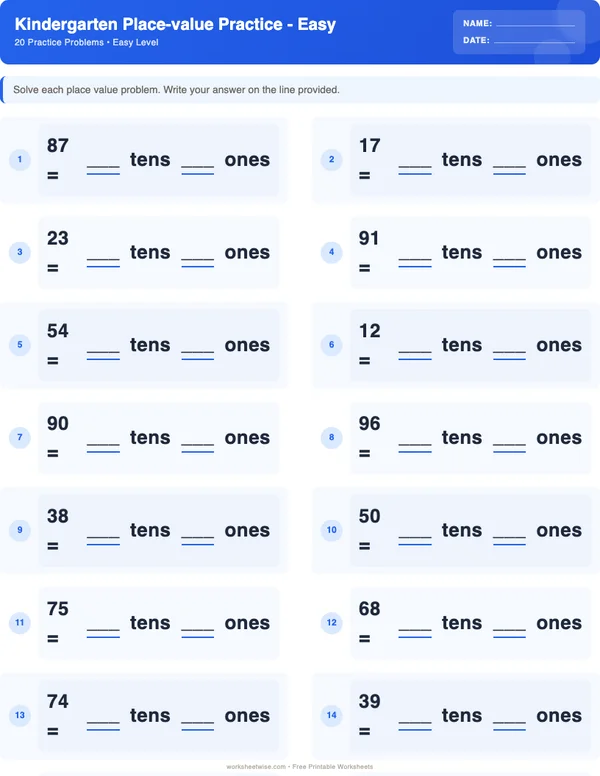
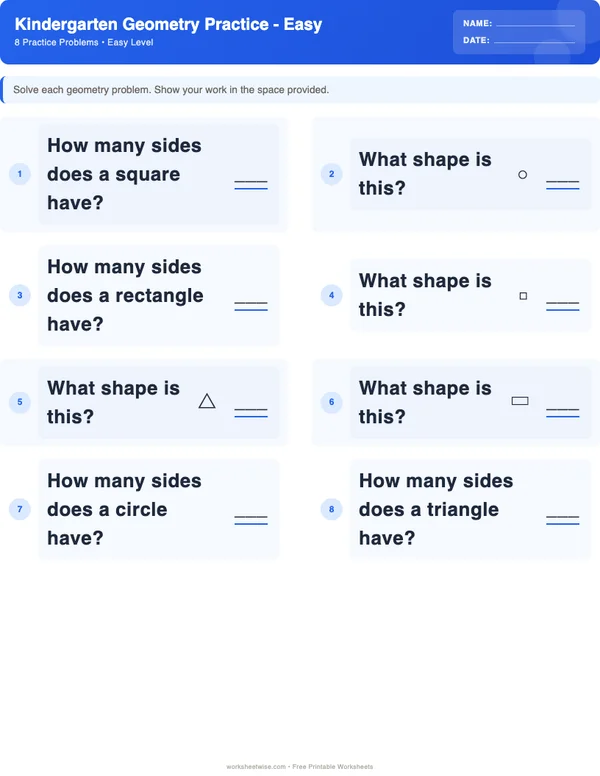
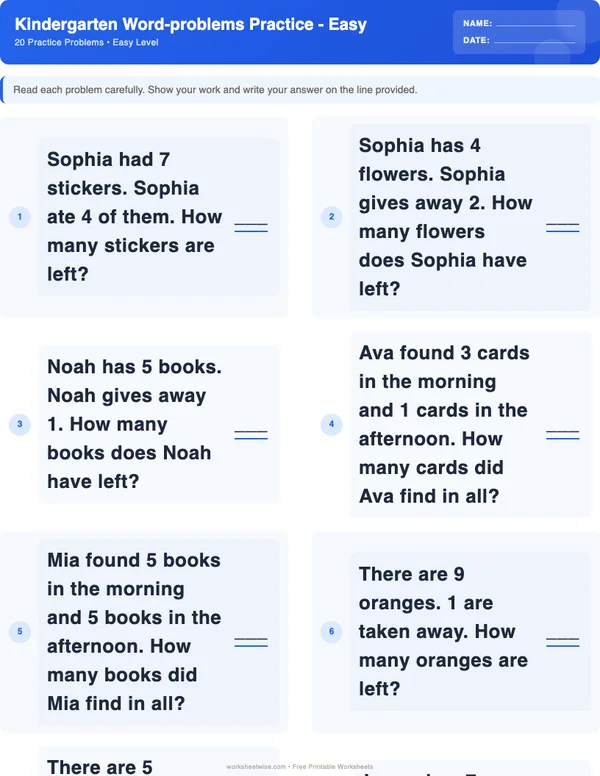
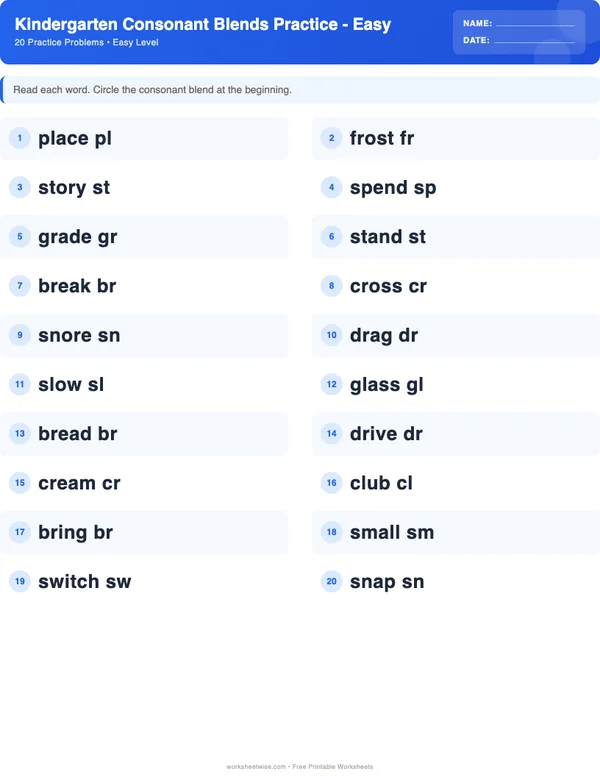
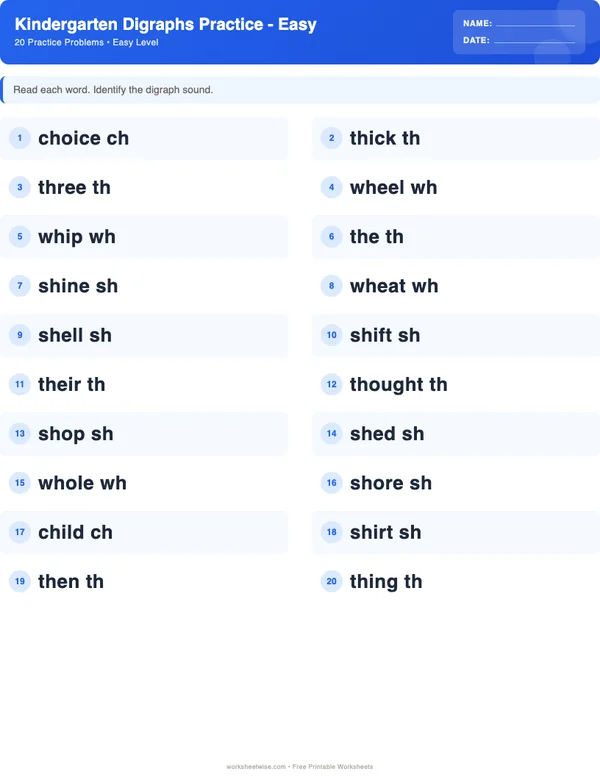
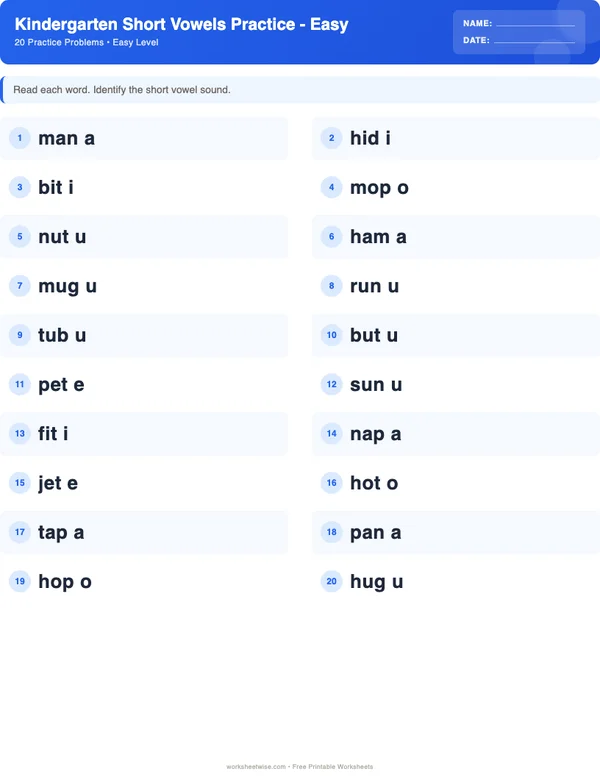
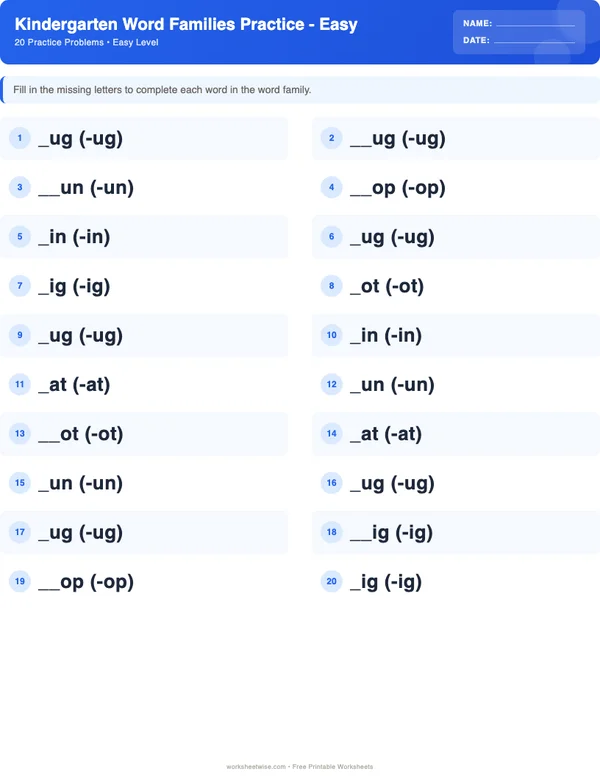
107 relevant free entry points are available. Each one includes a printable learner PDF and separate answer key.
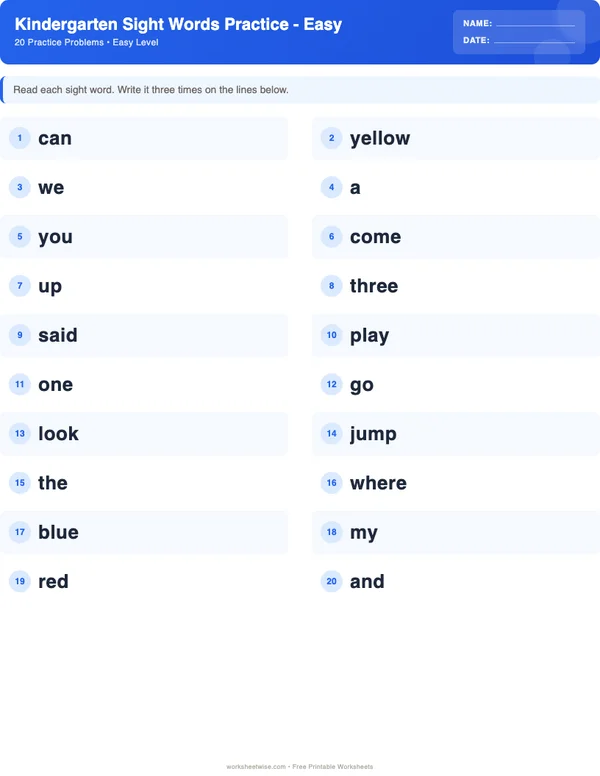
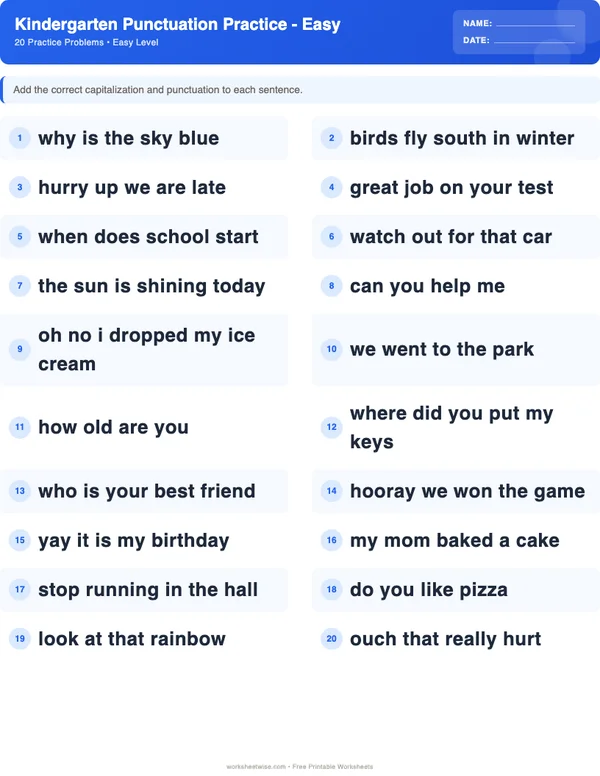
A useful practice loop
Print less. Observe more.
- Choose one skill and model the first item aloud.
- Use a short set and notice the learner’s strategy.
- Change the next task from the work you can see.
Need more than the free sheet?
Plus includes all 1926 matching catalogue variations where available, plus saved deterministic generators and the worksheet designer.
See Plus membershipExplore formative assessment worksheets with answer keys by subject or level
Complete guide
How to teach and practise assessment worksheets
3,478 words Updated 6 instructional visuals
Use a worksheet to decide what to teach next
A formative assessment worksheet should answer a narrow instructional question: Can the learner apply this defined skill, what strategy do they use, where does the strategy break down, and what should happen next? It is a brief practice check—not a standardized test, screening instrument, diagnosis, grade-level placement decision, or verdict about ability.
WorksheetWise’s live catalogue currently includes 1,926 variants across eight grade labels, four subjects, and 23 topics, with 107 free resources. That breadth is useful only when the adult selects narrowly. “Check math” is too vague. “See whether the learner counts each object exactly once when the objects are scattered” is actionable.
A complete check follows one loop:
- Define one target skill.
- Choose a task that exposes that skill.
- Decide which supports are allowed.
- Watch the process as well as the answers.
- Sort errors by plausible cause.
- give brief, specific feedback.
- record one pattern and one next action.
- reteach, extend, or switch tools.
This guide’s routines are editorial suggestions based on the supplied catalogue and the cited public guidance. The authoritative sources have not evaluated WorksheetWise worksheets.
Prepare a check that can produce a clear decision
Write the instructional question first
Before opening the full worksheet library, finish this sentence:
I need to find out whether the learner can ______ without ______.
Examples include:
- count a scattered collection without counting an object twice;
- blend three sounds into a CVC word without being told the word;
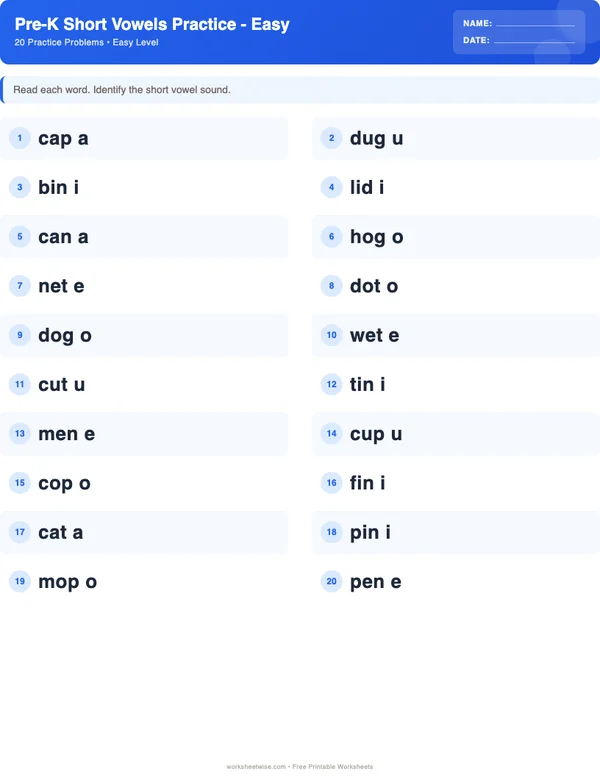
- distinguish short e from short i when hearing a word;
- represent a fraction shown by equal parts;
- classify a shape by its properties rather than its orientation;
- revise a sentence fragment into a complete sentence.
The second blank identifies the support that would hide the target. A child may count accurately while an adult points to every object, but that does not show independent one-to-one tracking. A learner may spell cat after copying it, but that does not show segmentation and sound-to-letter mapping.
Limit the check to a skill you have taught or modeled. If the notation, directions, vocabulary, or response format is new, the page measures several unfamiliar demands at once.
Select by task features, not labels alone
Grade labels describe the intended practice level; local curriculum sequences differ. Age is a discovery aid, not a placement decision. Select by inspecting what the learner must actually do:
- What knowledge is assumed?
- Is the response oral, selected, drawn, manipulated, or written?
- Are pictures, examples, word banks, number lines, or models provided?
- How many steps and items are involved?
- Does reading load interfere with the intended math skill?
- Can the answer key confirm the result without replacing an explanation?
The catalogue calls some free sheets “easy.” Treat that as a resource label, not a learner label. Define difficulty through observable features. A task may be more supported because it uses familiar vocabulary, one operation, pictures, fewer choices, or a worked example. It may demand more independence because it removes models, mixes problem types, requires an explanation, or adds multiple steps. Never call a learner “easy,” “developing,” or “advanced.”
Twenty items may be suitable for practice but unnecessary for a quick check. Select a purposeful subset—perhaps four items showing the same representation, two showing a different arrangement, and one transfer item. For a larger independent sample, the independent practice worksheet collection may be the better entry point.
Separate access supports from answer supports
An access support removes an obstacle without doing the target thinking. Reading math directions aloud can preserve a counting target. Enlarging print can preserve a spelling target. Letting a learner point instead of circle can preserve shape recognition.
An answer support changes the evidence. Pointing to each counter for the child, pronouncing the vowel in an exaggerated way during a discrimination check, or naming a shape before asking the learner to select it supplies part of the answer.
Before launch, note the allowed supports. Keep them consistent across comparable attempts. If an unexpected support becomes necessary, record it rather than pretending the result was independent.
Launch the worksheet as a low-stakes practice check
Tell the learner exactly what the page is for:
“This is a short check so I can see what we should practice next. Show your thinking. If you are unsure, make your best attempt or mark the item.”
Do not call it a test if it is not one. Do not promise that a score will establish mastery. Give one neutral example of the response format without modeling the target item. If the learner must match pictures, demonstrate matching two unrelated sample pictures. If they must show work, point out the available space.
Use a brief launch:
- name the target in learner-friendly language;
- explain whether help, tools, and rereading are allowed;
- state how many items to attempt;
- ask the learner to explain one or two choices;
- stop if fatigue or frustration overwhelms the evidence.
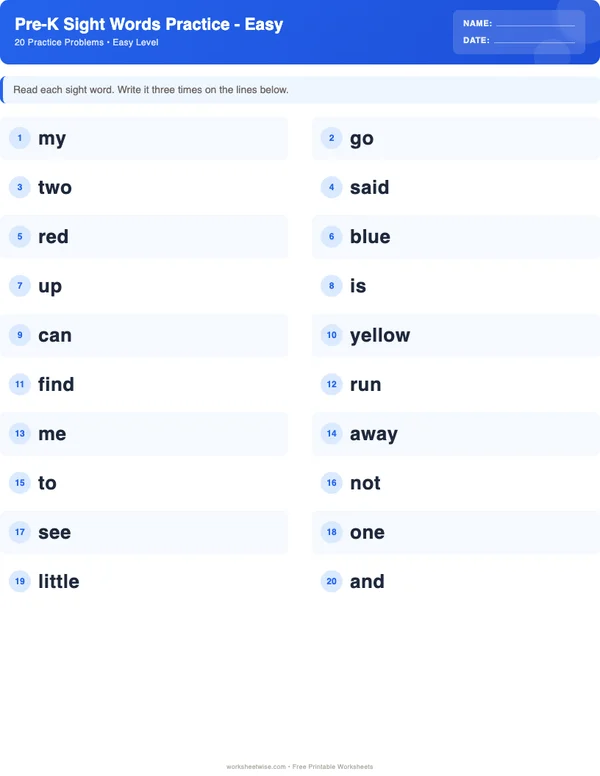
For ages three and four, prioritize brief adult-led oral, matching, manipulative, and movement work over desk work. A 20-problem Pre-K sheet is a source of possible prompts, not a requirement to seat a young child until every item is completed. Use two or three items, then shift to objects, picture cards, hopping, clapping, or sorting.
The IES guide for young children recommends teaching early mathematics through developmental progressions and using progress monitoring to build on what each child knows. It also emphasizes bringing mathematics into children’s everyday world. That supports short observations embedded in activity—not merely collecting completed pages. See IES, Teaching Math to Young Children.
Observe the strategy, not just the score
A correct answer can come from a sound strategy, a fragile shortcut, copying, or chance. An incorrect answer can reflect a concept gap, misunderstood directions, lost place, transcription error, or excessive language demand. Watch enough of the work to distinguish these possibilities.
Use a compact observation code
Record only what will affect instruction. A workable set is:
- I — independent and explainable;
- S — correct after a stated support;
- R — self-corrected after reviewing;
- P — repeated pattern in errors;
- O — omitted or abandoned;
- U — process unclear; observe again.
Add a few words: “double-counted scattered objects,” “read pin as pen,” “counted pieces, not equal parts,” or “used appearance, not properties.”
Avoid personality judgments such as “careless,” “lazy,” or “not a math person.” They are neither observable nor instructional. Write what happened.
Ask neutral prompts
Useful prompts reveal reasoning without steering it:
- “How did you decide?”
- “Show me where you started.”
- “What does this part represent?”
- “Read the word the way you blended it.”
- “Which part are you checking?”
- “Can you solve it another way?”
Avoid prompts that disclose the operation or answer: “Shouldn’t you subtract?” “Look at the vowel again,” or “Are those parts really equal?” If you use one, mark the item as supported and follow with a fresh item.
Checked examples across subjects
Pre-K counting: change the arrangement, not the target
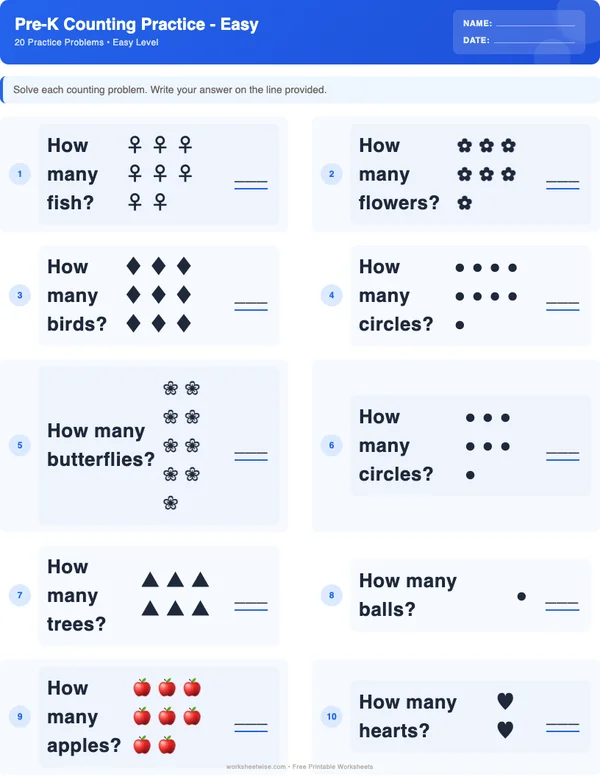
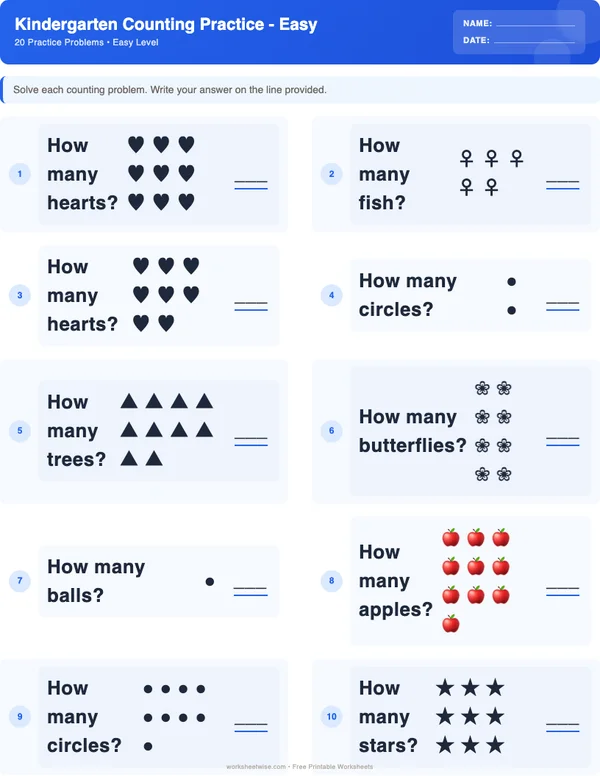
Use a small collection of counters rather than beginning with all 20 problems on the free sheet. Place seven counters in a row and ask, “How many?” Then scatter the same seven counters and ask again. Observe whether the learner touches or moves each object, assigns one number word per object, and understands that the final number names the total.
Suppose the learner says seven for the row but eight for the scattered group after touching one counter twice. The immediate interpretation is not “cannot count to seven.” The oral sequence may be intact while object tracking is inconsistent. The next action is to have the learner move each counted object into a cup, then try a new scattered set of six without adult pointing.
This example belongs here because the verified Pre-K Counting guide and free sheet includes counting sets and explicitly suggests using scattered objects to reveal one-to-one correspondence. For a three- or four-year-old, keep it adult-led and manipulative. The sheet supplies the skill context; the counters produce cleaner evidence than prolonged desk work.
Kindergarten CVC words: distinguish blending from memorization
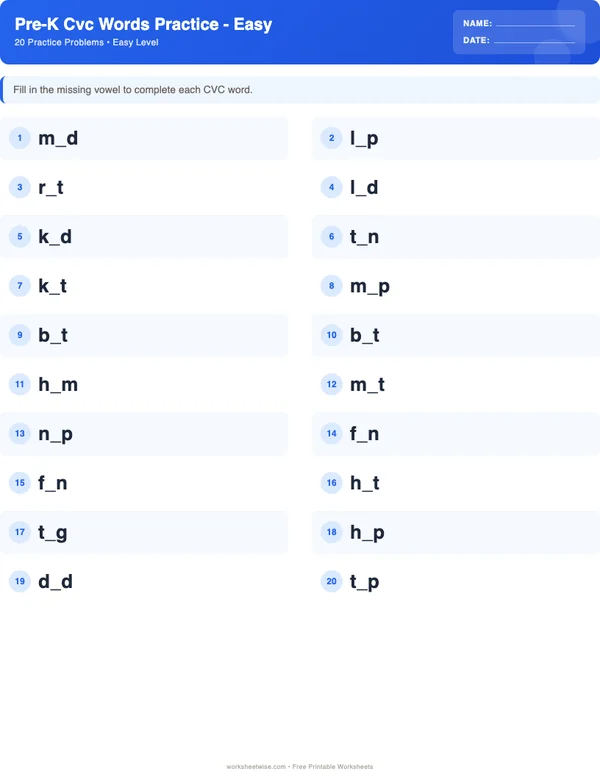
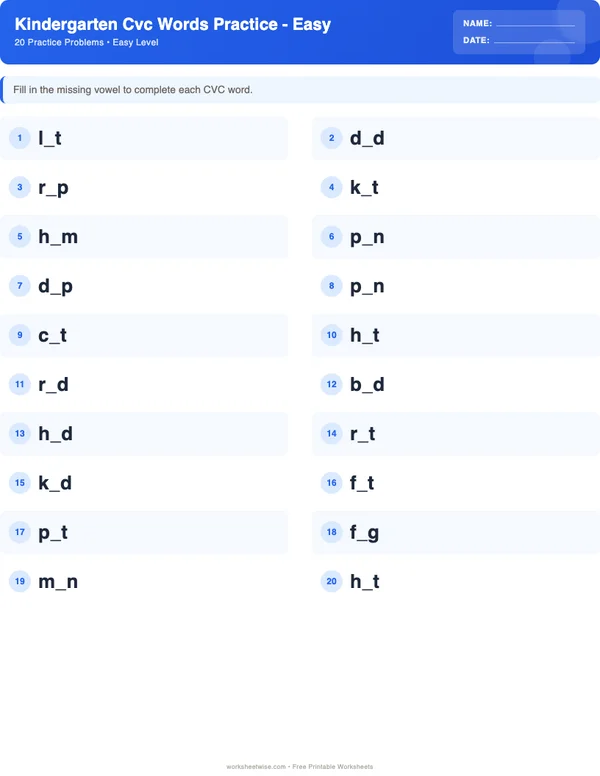
Present three unfamiliar but regular CVC items, such as map, sit, and hug. Ask the learner to point to or slide a token for each sound, then blend the sounds continuously. After reading map, ask the learner to build or write it from dictation.
Check each example:
- map segments as /m/ /ă/ /p/;
- sit segments as /s/ /ĭ/ /t/;
- hug segments as /h/ /ŭ/ /g/.
If the learner produces all three sounds but says them with long pauses and cannot combine them, the next action is adult modeling of continuous blending followed by a fresh word. If the learner reads the words but cannot encode them, follow with sound boxes and letter tiles rather than simply repeating the same list.
This example belongs because the verified Pre-K CVC Words guide and free sheet covers picture matching, word building, reading, and spelling across short-vowel CVC patterns. The IES foundational reading guide recommends linking speech sounds to letters, teaching decoding and word-part analysis, and providing daily connected-text reading. Therefore, an isolated-word worksheet can sample decoding, but it should not replace reading connected text. See IES, Foundational Skills to Support Reading for Understanding.
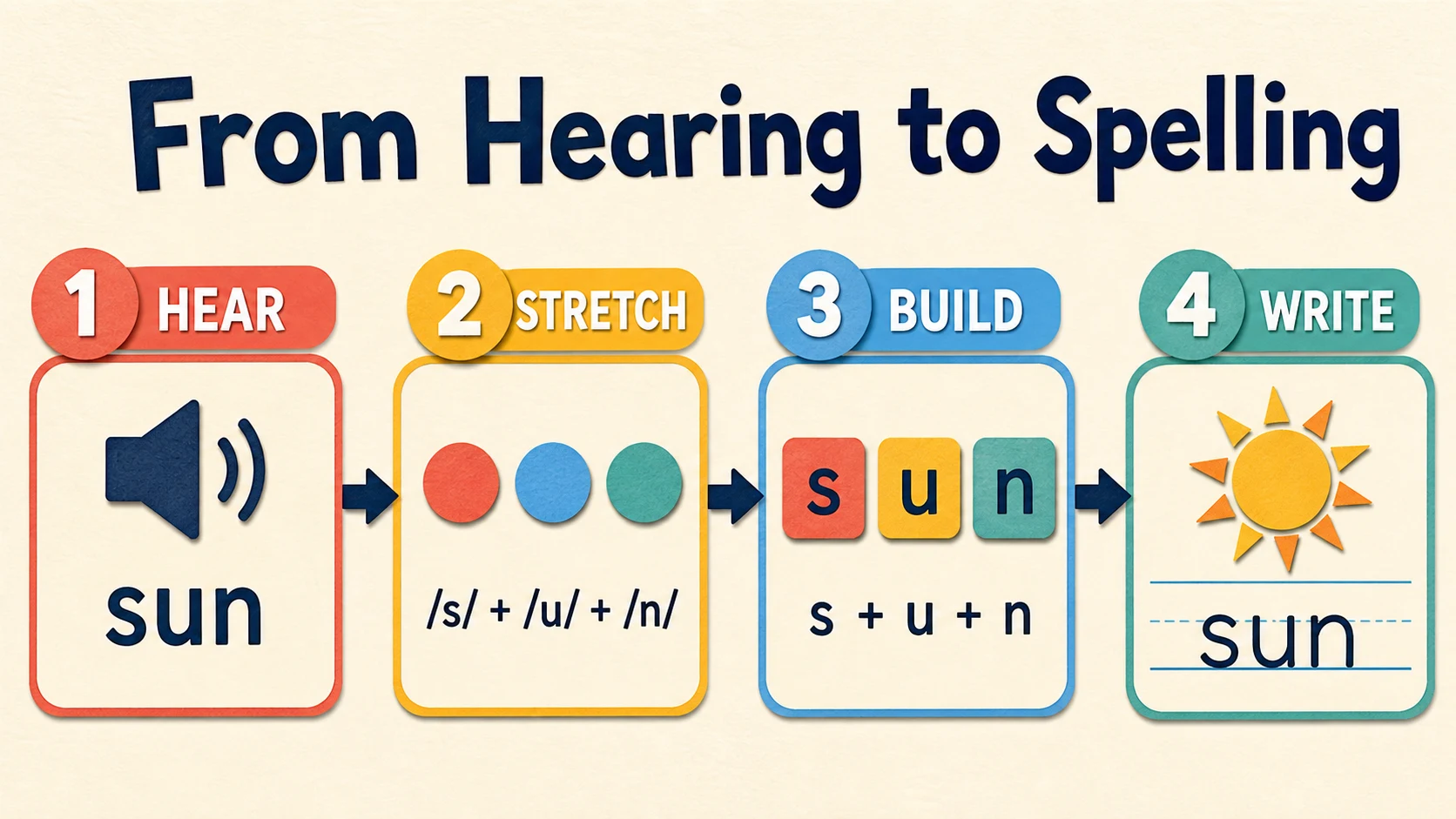
Use the stages to identify which spelling support can be removed next; do not treat the final column as an age-based placement test.
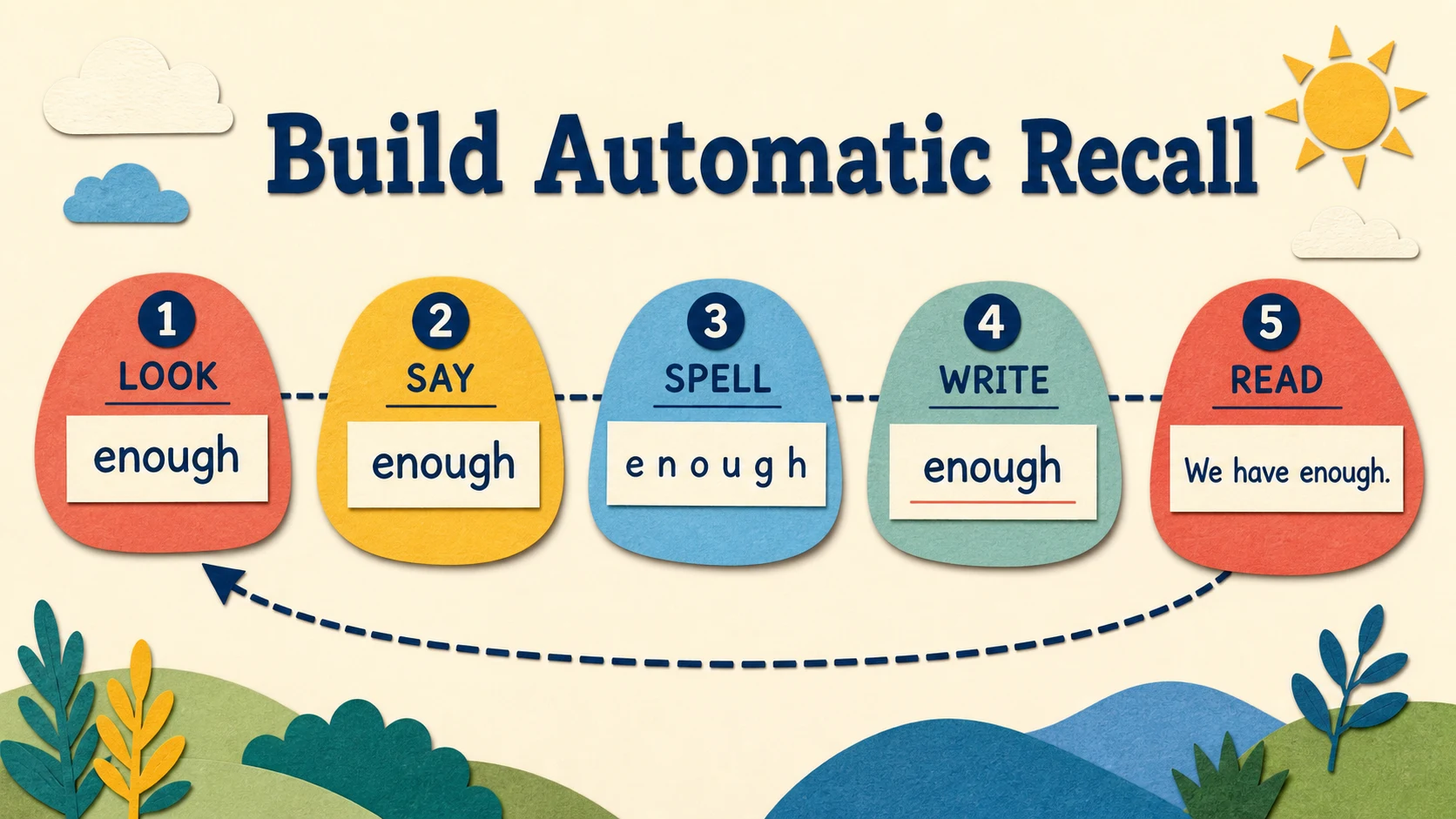
Check recognition in isolation and then in a sentence, because a correct flashcard response does not by itself show connected reading.
Third-grade fractions: verify what the drawing represents
Show a rectangle partitioned into four equal parts with three shaded. Ask the learner to name the fraction and explain what the numerator and denominator describe. The checked answer is : four equal parts make the whole, and three of those parts are shaded.
Then show a rectangle divided into four visibly unequal pieces with three shaded. Ask whether the shaded amount can be named from that partition. The checked response is no: merely having four pieces is insufficient because fractional parts of one whole must be equal in size.
If the learner writes for the first model, ask them to point separately to “the number of equal parts in the whole” and “the number selected.” If they call the unequal partition fourths, return to folding or partitioning paper into equal shares. The next check should use a new shape with equal parts, not the corrected original.
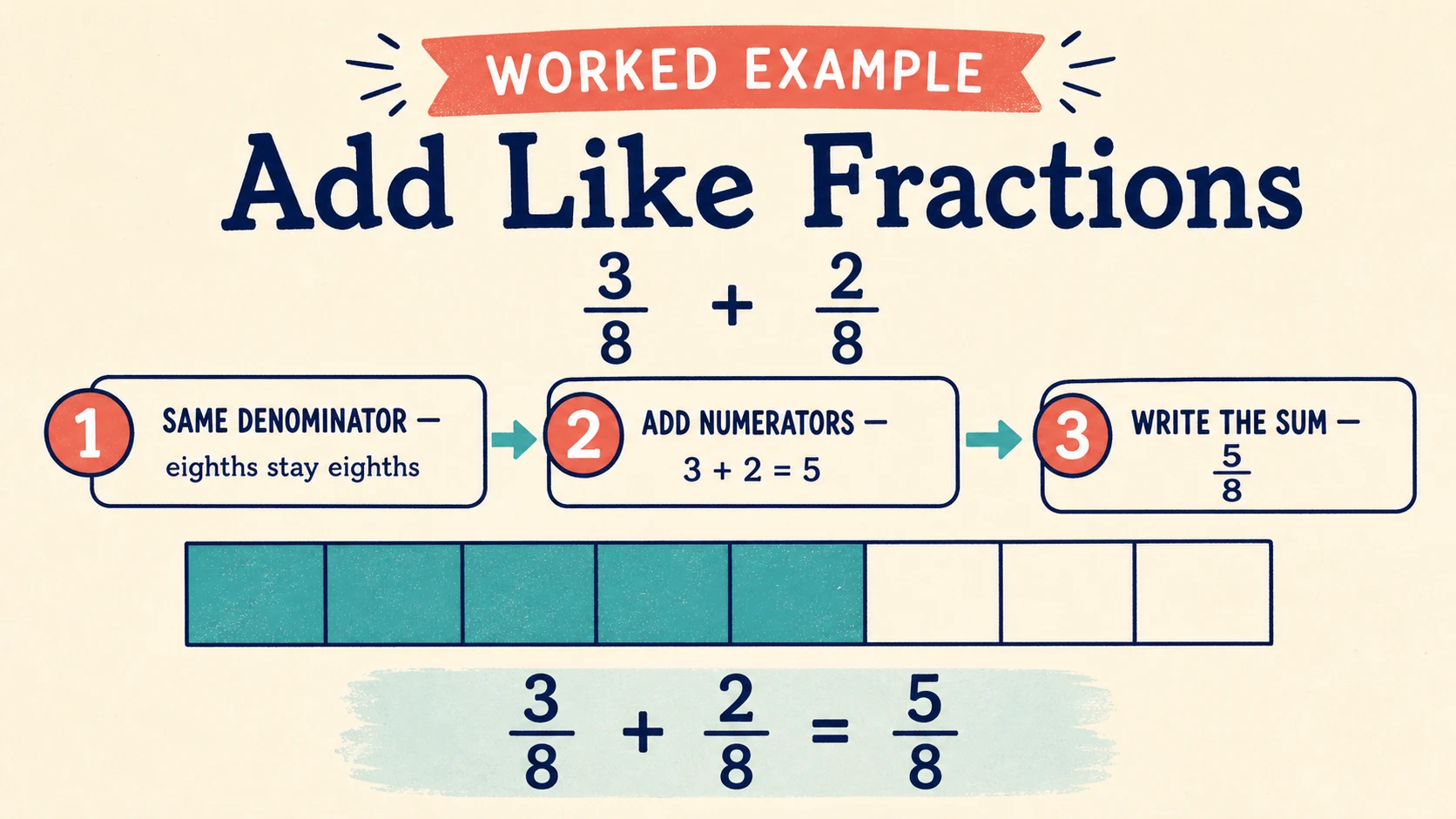
The progression makes the assessment decision visible: if the symbolic answer fails, return to the model and check what each number counts.
This example belongs because it samples a defined elementary fractions skill while making the learner’s interpretation observable. It also demonstrates a boundary: the answer key can confirm , but the explanation reveals whether the learner understands equal parts or merely counts marks.
Sixth-grade geometry: classify the source of a wrong answer
Ask for the area and perimeter of a rectangle measuring 8 units by 3 units. Check the arithmetic yourself:
- area: square units;
- perimeter: units, or .
A response of “24 units” for both questions suggests more than one possibility: the learner may confuse the quantities, may reuse the first answer, or may know the formulas but omit units. Ask, “What does 24 count?” and offer square tiles or a sketched grid. If they identify 24 squares but cannot trace the boundary, contrast filling the surface with walking around its edge. The observable next action is a fresh 5-by-4 rectangle: area square units and perimeter units.
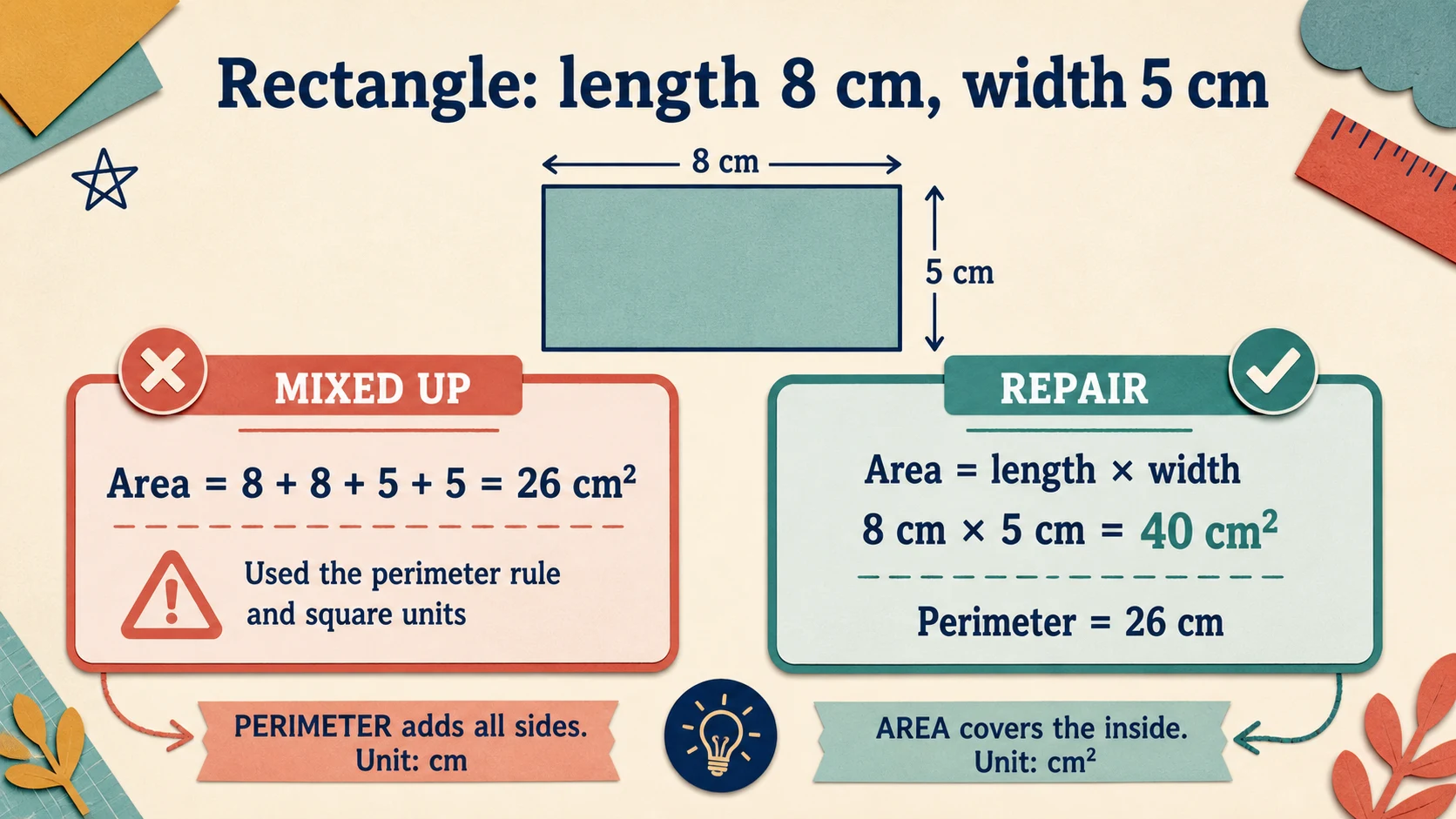
Treat each visible error as a hypothesis for follow-up questioning, not as a diagnosis of the learner.
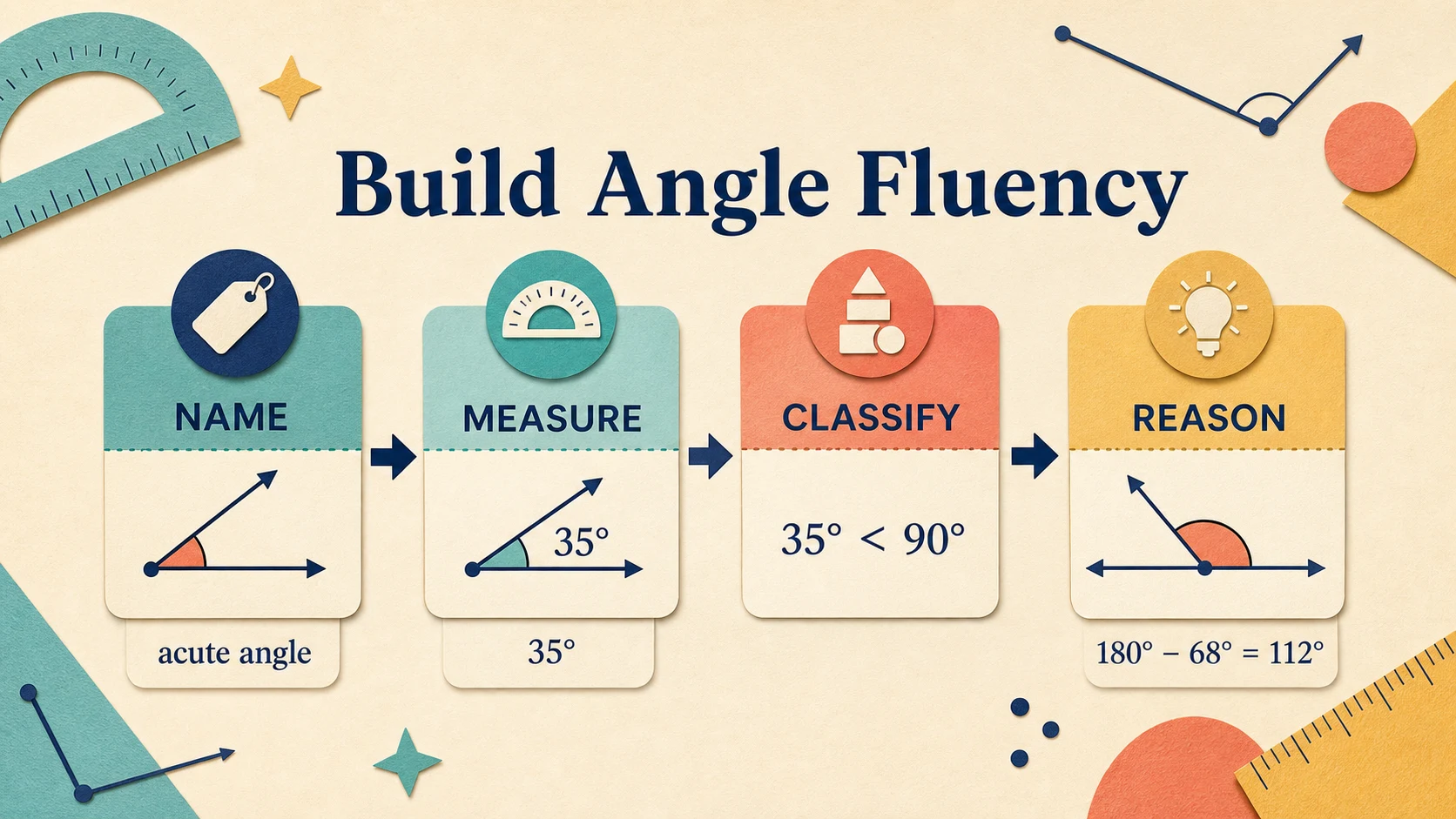
Select the first task that exposes area-versus-perimeter reasoning while keeping arithmetic manageable.
This example belongs because upper-elementary geometry allows an assessment worksheet to expose the distinction between a measure of surface and a measure of boundary. The IES mathematics intervention guide recommends systematic instruction, clear mathematical language, well-chosen concrete or semi-concrete representations, number lines, and deliberate word-problem teaching. Those are instructional responses after the check, not claims about the worksheet itself. See IES, Assisting Students Struggling with Mathematics.
Sixth-grade sentence structure: make the revision show the rule
Give the fragment “Because the rain stopped.” Ask the learner to turn it into a complete sentence. One checked revision is:
Because the rain stopped, the team returned to the field.
The original dependent clause begins with because and does not express a complete thought by itself. The revision adds an independent clause with a subject, the team, and a complete predicate, returned to the field.
Now give the run-on “Maya finished her draft she read it aloud.” Accept a correctly punctuated and structured revision such as:
Maya finished her draft, and she read it aloud.
If a learner adds only a capital letter or changes handwriting, feedback should name the missing relationship: “You preserved both complete thoughts. Now join or separate them with punctuation that shows their boundary.” The next action is to revise one new fragment and one new run-on, then explain how the two errors differ.
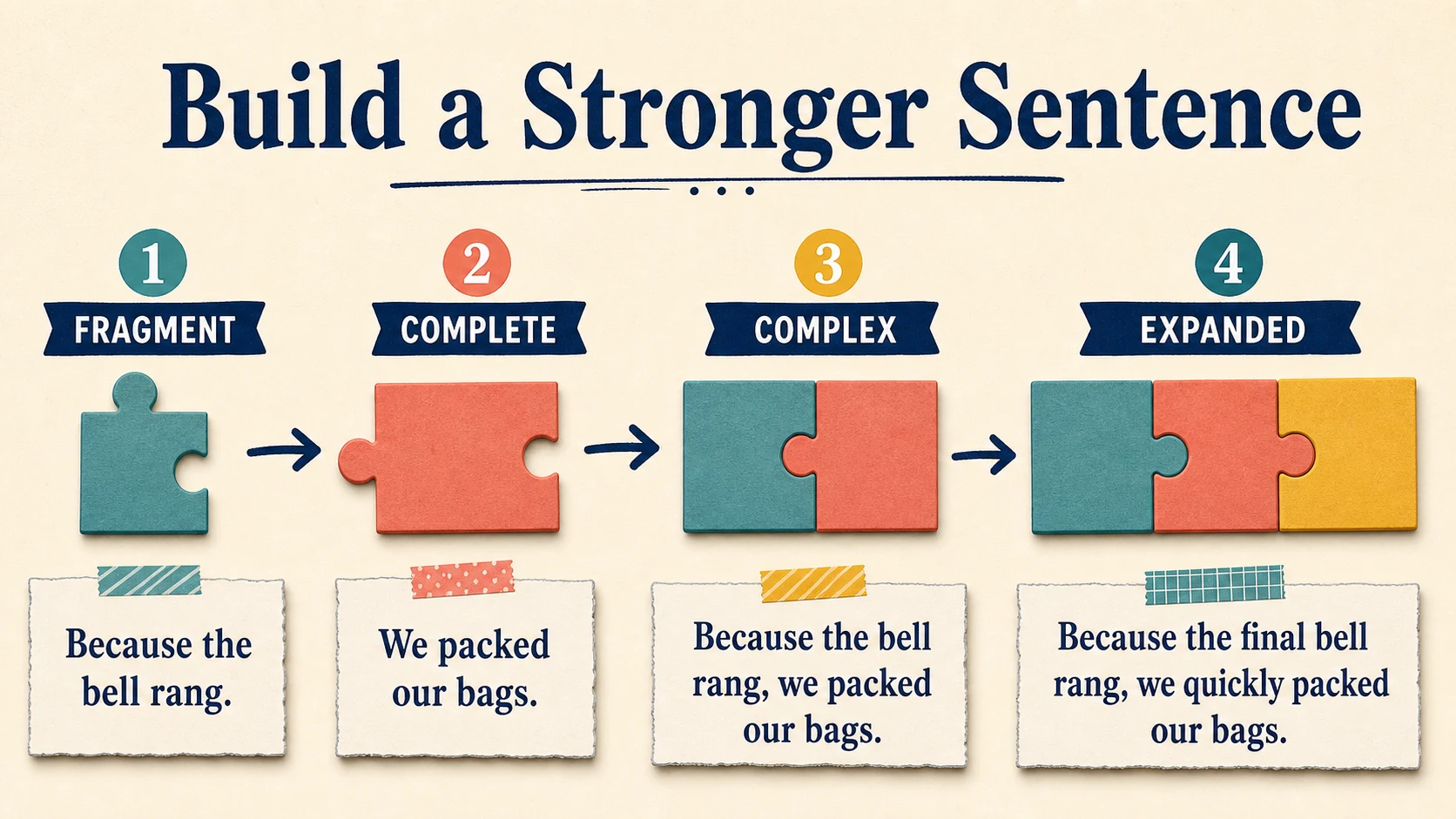
Move from identifying a sentence boundary to revising one independently; accuracy at identification does not automatically show revision skill.
This example belongs because sentence structure can be sampled through a short written product and an explanation. The IES elementary writing guide recommends explicit strategy instruction, integrating writing and reading, and using assessment to guide instruction. It does not endorse any WorksheetWise product. See IES, Teaching Elementary School Students to Be Effective Writers.
Interpret errors before choosing a response
Sort mistakes into testable explanations
Use the smallest plausible explanation and verify it with one fresh prompt.
| Observed pattern | Plausible explanation to test | Fresh check | Possible instructional response |
|---|---|---|---|
| Correct row count, inaccurate scattered count | Tracking objects is unstable | Smaller scattered set | Move each counted object; fade the movement |
| Reads pin as pen repeatedly | Short i and e discrimination needs checking | Oral minimal pair before print | Contrast mouth position and sound, then remap to letters |
| Writes for three of four equal parts | Numerator and denominator roles are reversed | Ask what each number counts | Label a concrete model, then use a new model |
| Gives area for perimeter | Surface and boundary are conflated | Trace edge, then cover with tiles | Contrast linear and square units |
| Repairs fragments but not run-ons | Recognizes missing completion but not clause boundaries | Read two complete thoughts aloud | Model joining or separating independent clauses |
| Many omissions near the bottom | Stamina, time, or page density may interfere | Short equivalent set when rested | Reduce visible items; do not lower the target |
These are hypotheses, not diagnoses. One worksheet cannot establish why a pattern exists. Language familiarity, vision, hearing, motor demands, attention, instruction, and task design can all affect performance. Consult the learner’s teacher or an appropriate qualified professional when concerns extend beyond ordinary instructional adjustment.
The Common Core mathematics standards describe grade-organized expectations and mathematical practices, while the English language arts standards organize expectations for reading, writing, speaking and listening, and language. They can help an adult name a target, but they do not make a worksheet a standards assessment or override the local teaching sequence. See the Common Core Mathematics standards and English Language Arts standards.
Give feedback that changes the next attempt
Feedback should connect the evidence to one controllable action. Use this structure:
“You did ____. The target is ____. On the next item, ____.”
Examples:
- “You said the counting sequence correctly. One counter was touched twice. On the next set, move each object after you count it.”
- “You identified all three sounds in sit. They stayed separated. Sweep under the letters while you blend without stopping.”
- “You counted three shaded pieces. Fractions also require equal parts. Check whether every part is the same size before naming the fraction.”
- “You found 24 square units covering the rectangle. Perimeter follows the outside edge. Trace that edge and add its four lengths.”
- “You noticed that the sentence sounded unfinished. Add an independent clause that tells what happened.”
Let the learner act on the feedback immediately with one parallel item. Do not correct the entire page while the learner watches passively. Do not praise speed when the target is reasoning, or neatness when the target is decoding. Specific acknowledgment—“You checked each object once”—reinforces the relevant process.
Use answer keys after independent work to verify answers efficiently. For selected-response or computation items, also inspect markings and explanations. An answer key usually cannot tell whether a learner guessed, copied, used an unintended shortcut, or misunderstood a term.
Keep records small enough to use
A useful record is a decision log, not a permanent dossier of every mark. One row per check is enough:
| Date | Skill and task | Conditions | Evidence | Next action |
|---|---|---|---|---|
| Aug. 30 | Count scattered set to 7 | Oral; counters; no pointing help | 7 in row; double-counted 1 when scattered | Move counted objects, then retry set of 6 |
| Sept. 2 | Short i CVC blending | Three printed words; token allowed | Segmented 3/3; blended 1/3 | Model continuous blend; retest with new words |
| Sept. 5 | Area versus perimeter | Diagram; no formula card | Area correct; reused area for perimeter | Tile surface and trace edge; fresh rectangle |
Record the conditions because “correct with a number line” and “correct without a number line” answer different questions. Preserve only information needed for teaching, follow applicable school or household privacy practices, and avoid medicalized labels.
Look for repeated patterns across two or more comparable opportunities. Do not convert a four-item check into a percentage with false precision. “Three of four correct, with denominator/numerator reversal on the fourth” is more useful than “75%.”
Reuse the page without rehearsing its answers
A worksheet loses assessment value once answers and item positions are familiar. It can still support learning.
Change the purpose on the second use
After the first check, reuse the page by asking the learner to:
- correct one item and explain the change;
- sort items by strategy or error type;
- cover the answer choices and generate an answer;
- solve one item with a model and one without;
- write a parallel problem;
- explain why a tempting wrong answer fails;
- teach one completed example to an adult.
For a new check, change the numbers, words, pictures, arrangement, or sentence while preserving the target. The free deterministic worksheet generators can produce a fresh practice set when repeated exposure to the original answers would contaminate the evidence. Verify the generated items and key before use, select only the items that match your target, and keep the support conditions comparable.
A progression should remove one support at a time. Move from counters to pictures to numerals, or from sound boxes to printed words to a short sentence. If representation, vocabulary, number size, and response format all change at once, you will not know which change caused the new error.
Know when a worksheet is the wrong tool
Choose another tool when the target cannot be observed validly on paper.
Use conversation, demonstration, manipulatives, movement, connected reading, or authentic writing when you need to observe:
- oral language and pronunciation;
- real-time counting coordination;
- spatial construction and shape composition;
- reading fluency, phrasing, or comprehension in connected text;
- collaborative problem solving;
- handwriting motor concerns separate from content knowledge;
- extended planning, drafting, and revision;
- a learner’s response to a newly taught strategy.
A worksheet is also the wrong tool when the learner cannot access its directions, the page density produces shutdown, the reading demand eclipses the math target, or repeated correction has turned the page into a memory task. Adapt access first: read directions, mask unused rows, enlarge print, permit pointing, or split the check into short sessions. Preserve the target. If an adaptation supplies the answer process, switch to a better task.
Do not use these pages to diagnose a disability, determine school placement, estimate intelligence, certify curriculum mastery, or predict future achievement. A pattern that remains concerning after clear instruction and repeated observations should be documented factually and discussed with the learner’s teacher or another qualified professional.
Make the next instructional move now
Choose one skill—not a whole subject—and write the question you need the work to answer. Then open the free deterministic worksheet generators, create a fresh set, and select three to five items that isolate that skill. Before giving them, write down the allowed supports and the response you will choose for each likely error pattern. Observe one attempt, record one pattern, and finish with one new item on which the learner can apply the feedback.
Put it into practice
Use the guide with a real printable
Move from explanation to a short, observable practice task. Check the first item together, then adjust the next session from the learner's actual work.
Open the first free worksheetExplore a neighboring collection
Choose by a different teaching need
After-School Worksheets With Answer Keys Classroom Worksheets With Answer Keys Homeschool Worksheets With Answer Keys Homework Worksheets With Answer Keys Independent Practice Worksheets With Answer Keys Intervention Worksheets With Answer Keys Morning Work Worksheets With Answer Keys School Readiness Worksheets With Answer Keys