Curated collectionAnswer keys includedPrint-ready PDFs
Homework Worksheets With Answer Keys
Select short, already-taught practice that a learner can understand at home and convert the returned work into next-day feedback.
Start with a real resource
Browse this worksheet collection
107 relevant free entry points are available. Each one includes a printable learner PDF and separate answer key.
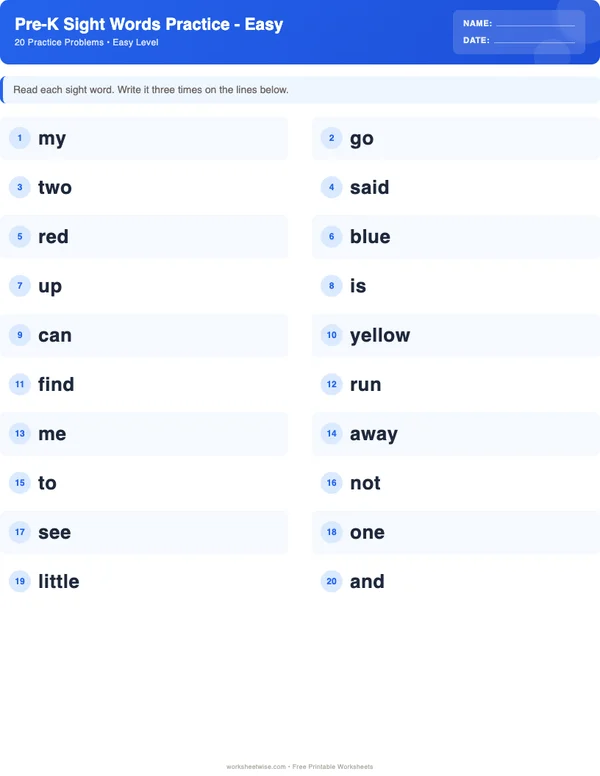
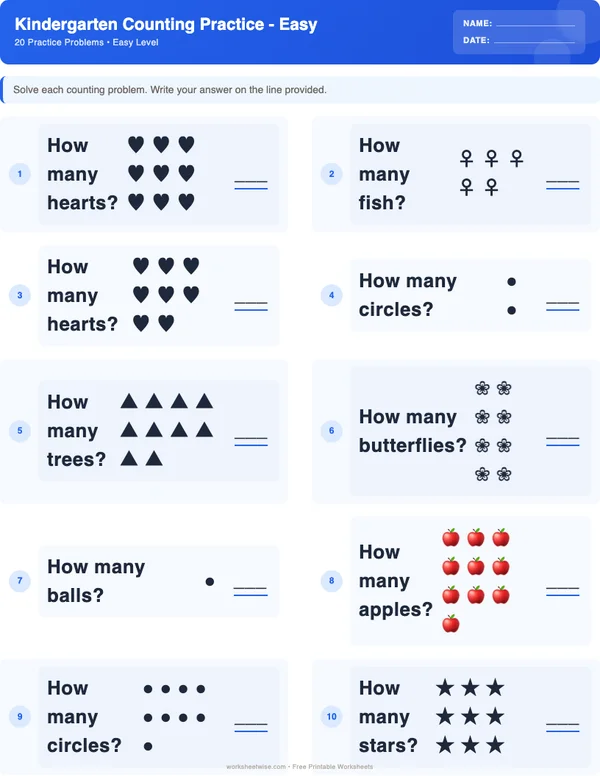
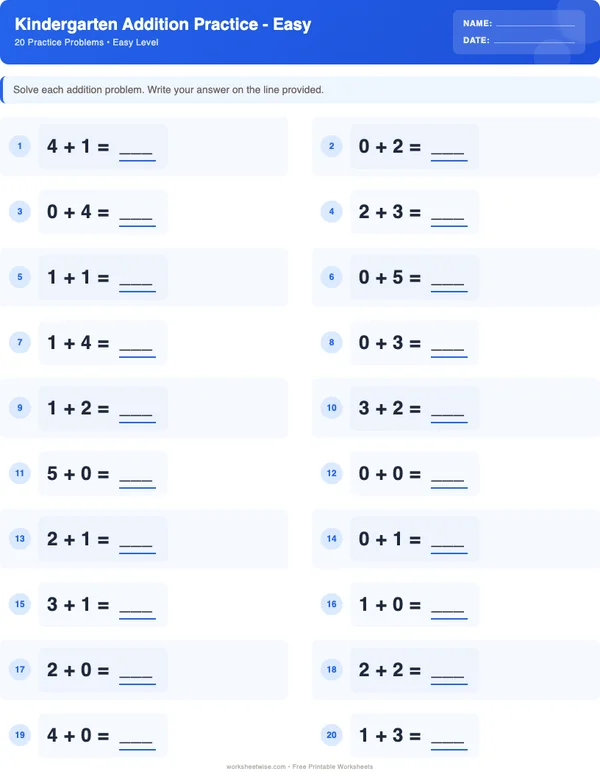
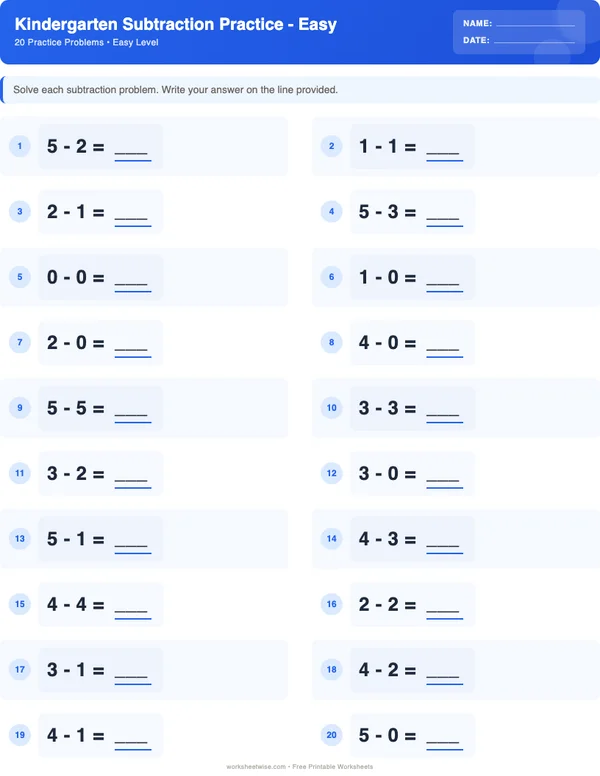
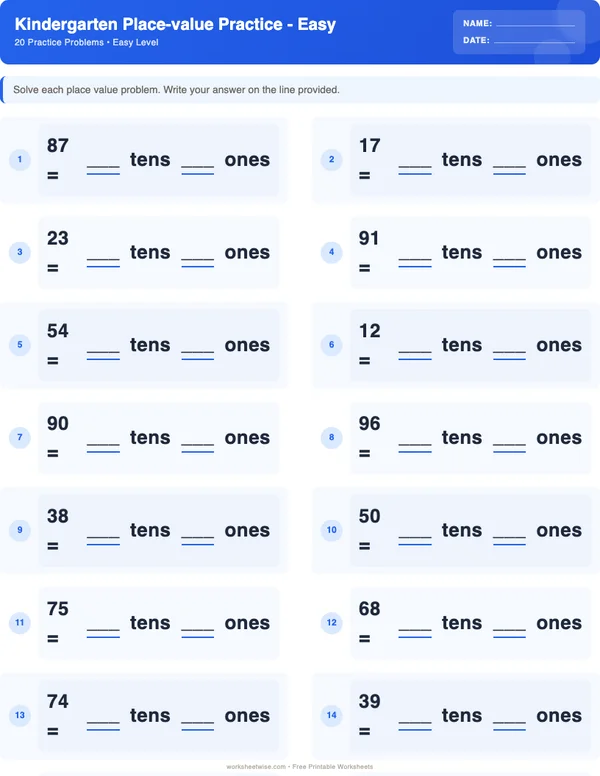
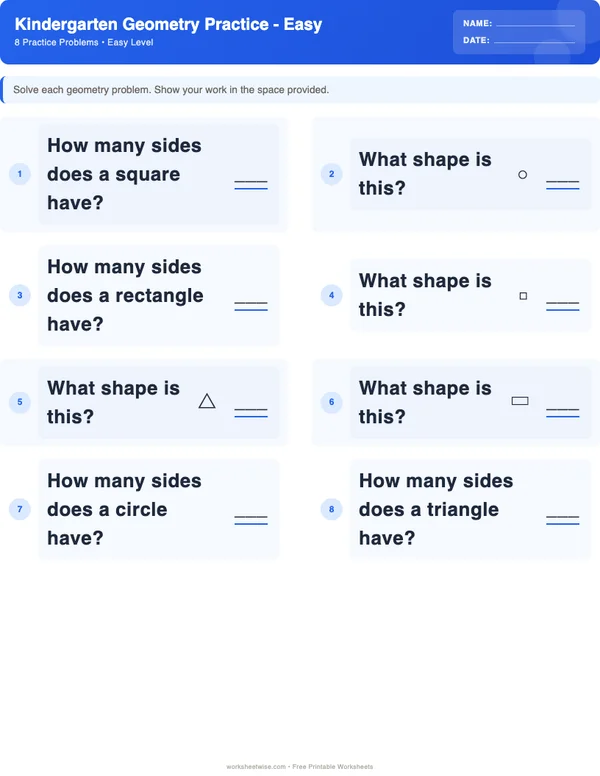
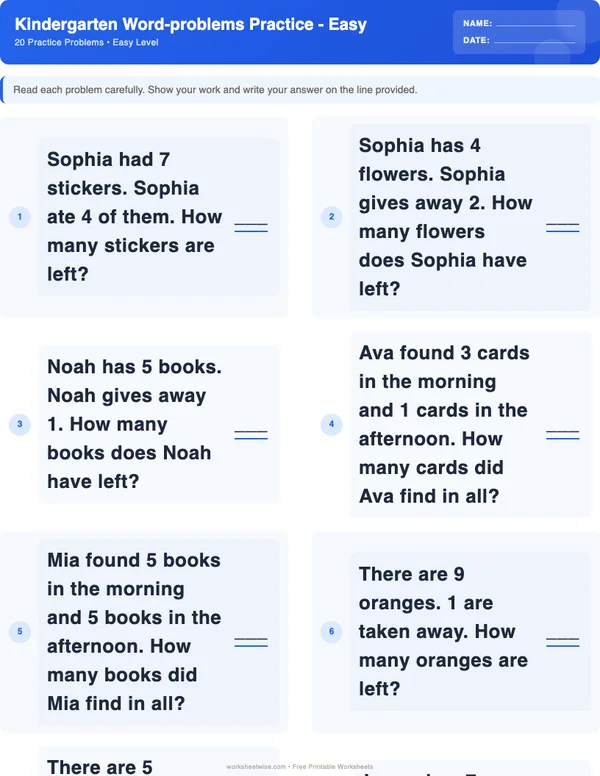
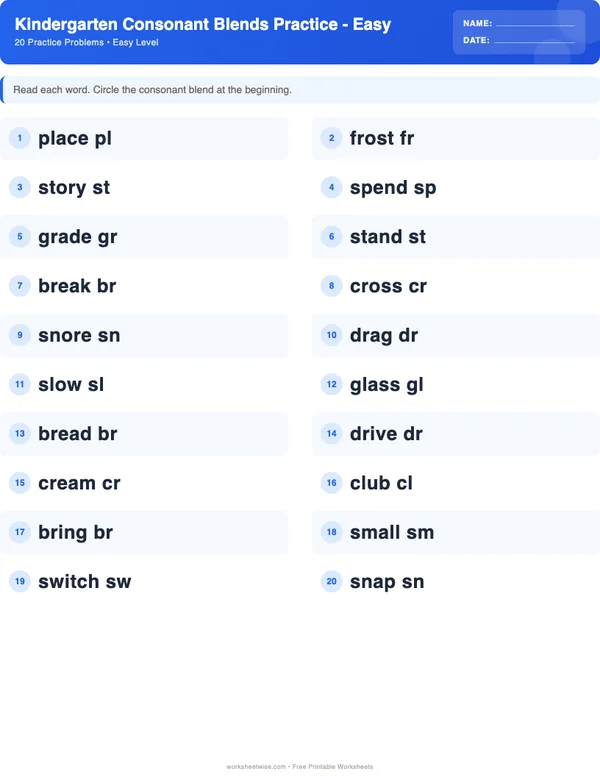
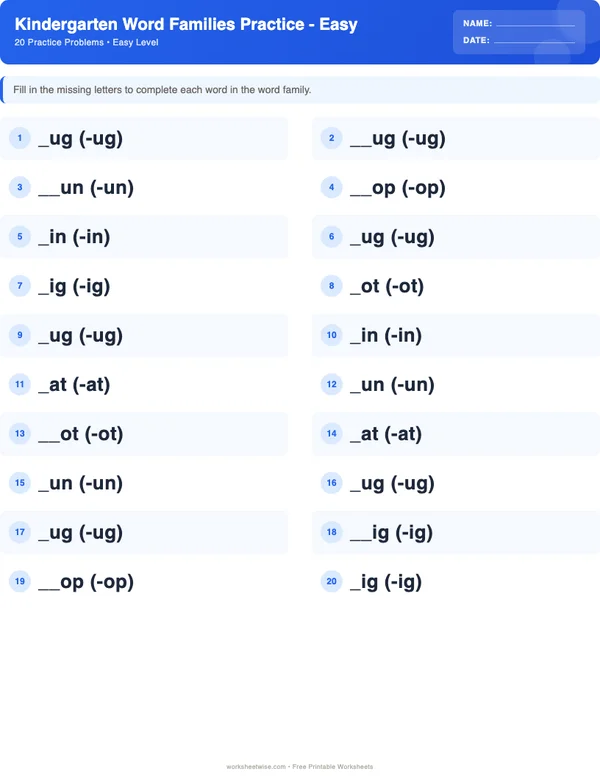
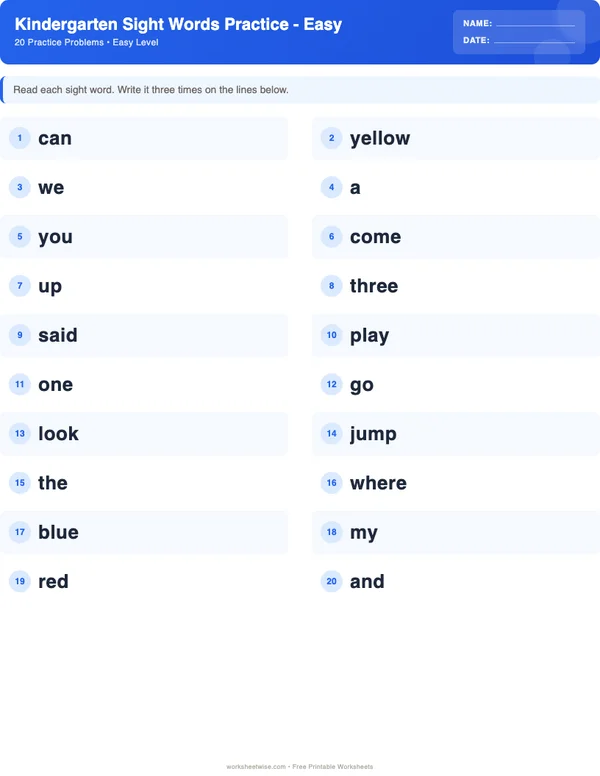
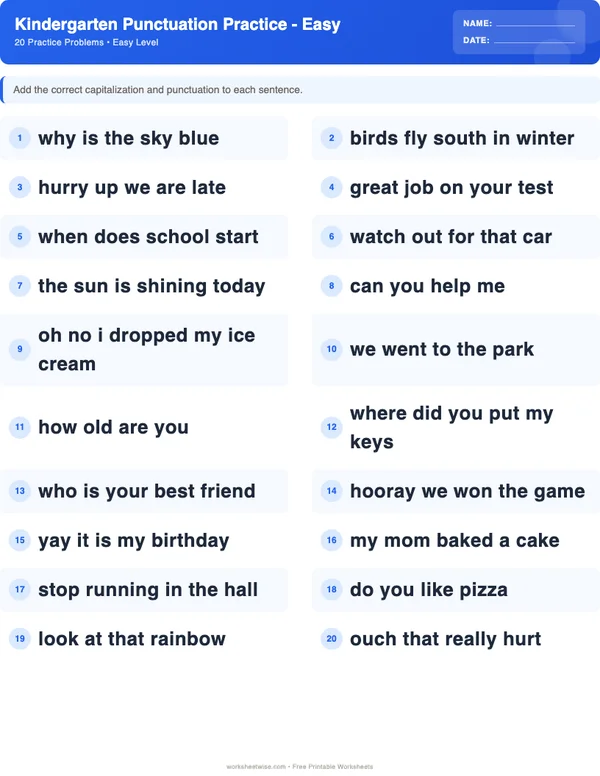
A useful practice loop
Print less. Observe more.
- Choose one skill and model the first item aloud.
- Use a short set and notice the learner’s strategy.
- Change the next task from the work you can see.
Need more than the free sheet?
Plus includes all 1926 matching catalogue variations where available, plus saved deterministic generators and the worksheet designer.
See Plus membershipExplore homework worksheets with answer keys by subject or level
Complete guide
How to teach and practise homework worksheets
3,385 words Updated 6 instructional visuals
Choose homework that can succeed without a second lesson
Effective homework worksheets are short, familiar, and easy to interpret the next day. The learner should already know the underlying idea, recognize the directions, and have access to any model or tool used during instruction. The adult at home should not need to introduce a new method. When the work returns, the teacher should examine error patterns, respond to one important need, and decide whether the learner is ready to continue.
WorksheetWise’s live catalogue currently contains 1,926 variants across eight grade labels, four subjects, and 23 topics, including 107 free resources. Those numbers provide choice, but choice is not the same as fit. Select by the actual demands on the page:
- What must the learner read, remember, calculate, write, or draw?
- Was that exact skill taught recently?
- Can the learner begin after hearing or reading one concise direction?
- Is the amount small enough to preserve careful thinking?
- Will the completed page reveal something you can act on tomorrow?
Grade labels describe the intended practice level; local curriculum sequences differ. Age is a discovery aid rather than a placement decision. A learner’s recent classroom work, familiarity with the representation, and response to a sample item are better placement evidence than age alone.
Catalogue difficulty labels also require interpretation. An “easy” sheet does not describe a learner. In the representative free resources, the label is attached to pages with observable features such as early content, familiar formats, a limited operation or spelling pattern, and 12 or 20 problems. Even those pages may be unsuitable if the learner has not received the relevant instruction, cannot independently read the directions, or needs physical objects before pictures and symbols.
Prepare the page before it enters the backpack
A useful preparation check takes less time than repairing a poorly chosen assignment.
Confirm the target and prerequisite
Write the target as an observable action: “count each object once and record the total,” “blend three sounds to read a CVC word,” or “identify whether two letters represent one sound.” Avoid broad targets such as “practice math” or “improve reading.”
Then identify the prerequisite. A digraph page may require secure CVC blending. Addition symbols may require prior experience joining physical groups. Sentence editing may require the learner to distinguish a complete sentence from a fragment. If the prerequisite is uncertain, use one sample orally before assigning the page.
The IES guide on foundational reading skills recommends explicit instruction in sound–letter relationships, word decoding, and connected-text reading. For homework, that supports a narrow decision: send a phonics pattern the learner has already practiced explicitly, not an unexplained list that asks the family to infer the pattern.
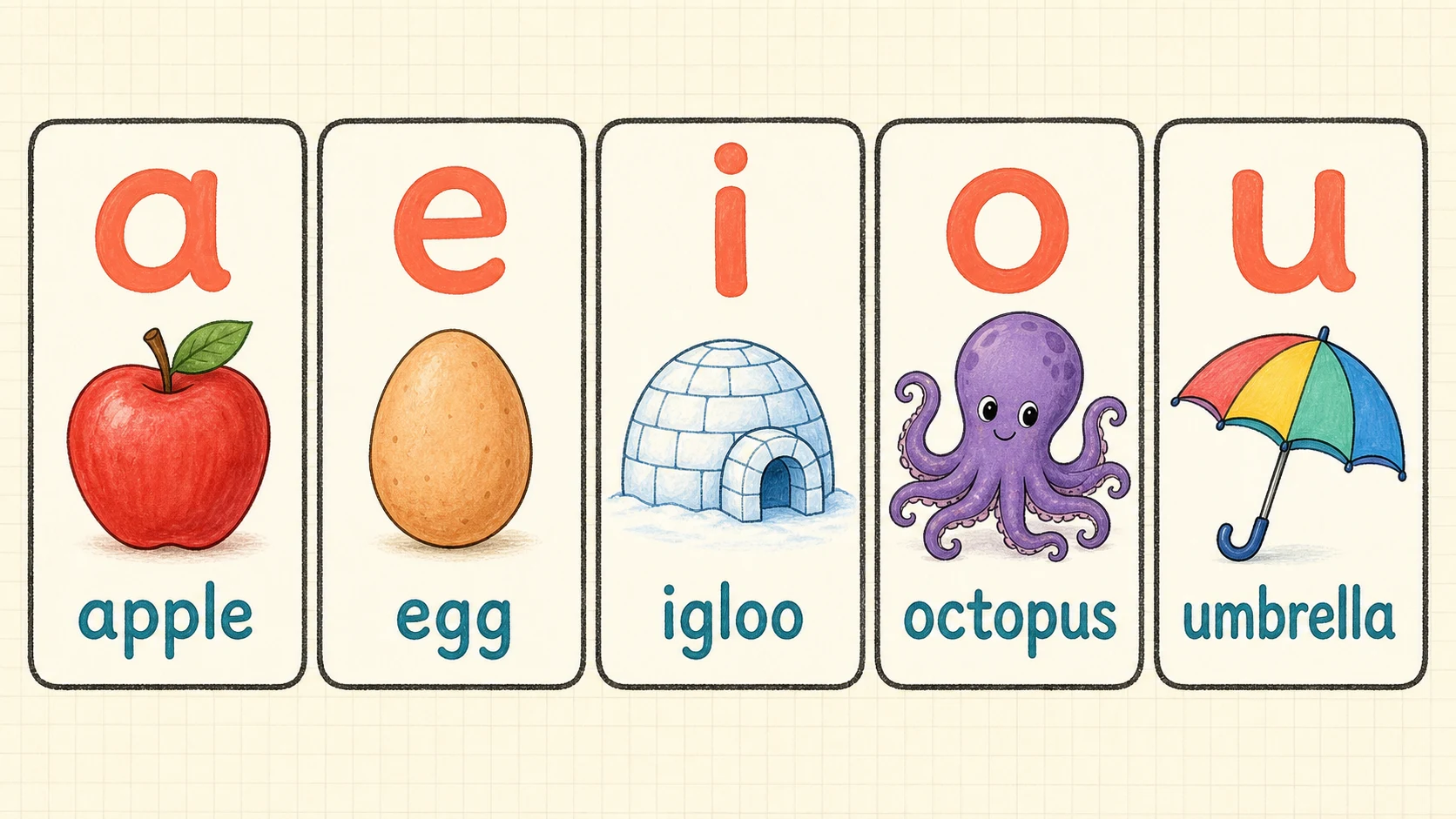
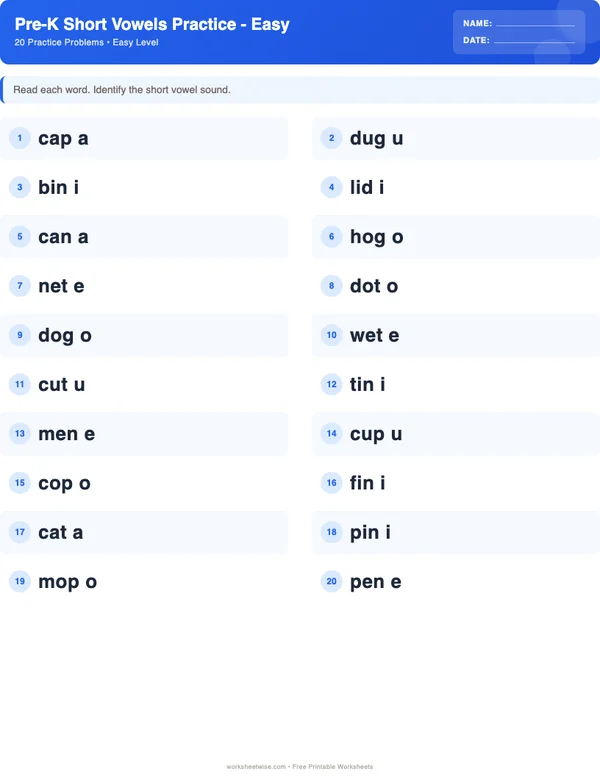
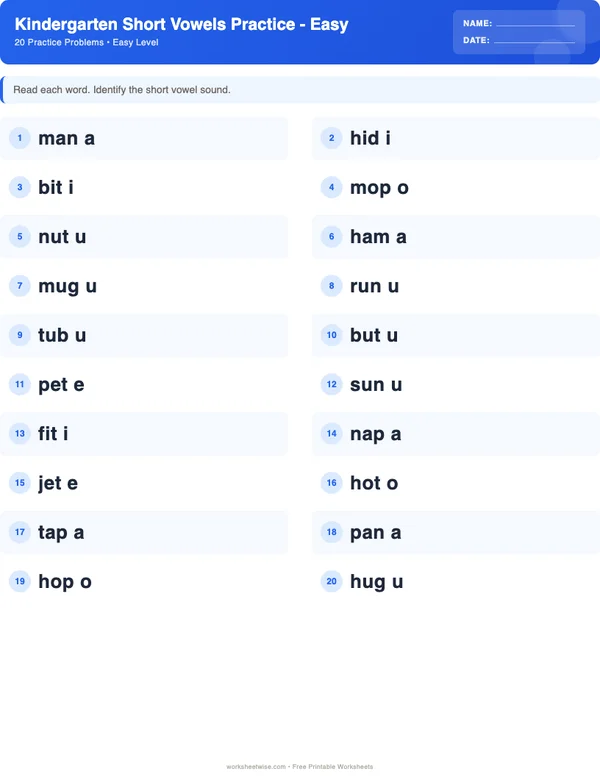
Use a skill map to locate the assigned short-vowel task within instruction already completed, not as permission to skip directly to a later task.
Inspect the first three items
Work the first three items yourself, including every step the learner must take. Check whether:
- the wording matches language used in class;
- the first item is a genuine example rather than an unannounced test;
- pictures are clear enough to identify;
- answer spaces fit the expected response;
- unrelated reading, handwriting, or vocabulary demands obscure the target;
- the answer key accepts all defensible answers.
Do not infer quality from the presence of an answer key. Check that key against the page. For open responses, write a brief acceptance rule rather than forcing one model sentence.
Reduce the amount without changing the skill
A 20-problem page need not become a 20-problem assignment. Circle a purposeful subset: perhaps four items showing the same pattern and two that require discrimination. State whether skipped items are optional or intentionally omitted.
Shortening preserves the target when every selected item still samples the intended thinking. Replacing decoding with an adult reading every target word aloud does not preserve a decoding target. Allowing counters for addition can preserve the addition target because the learner still combines and counts quantities.
For a broader search, use the full worksheet library. Compare the task itself, not just its grade or topic label.
Launch homework in class, not at the kitchen table
The launch should make the page familiar without completing it for the learner.
Use a see–say–try–check routine
First, point to the direction and restate it in classroom language. Second, solve one parallel example that is not one of the assigned items. Third, ask the learner to try the first assigned item. Fourth, have the learner explain how to check it.
For a first-grade sentence-structure task, a launch might sound like this: “Read the words. Put them in an order that tells a complete idea. Start with a capital and end with punctuation.” Model with Dogs can run. Then let the learner arrange a different sentence. The writing recommendations in the IES guide on effective elementary writing instruction include teaching the writing process and sentence construction explicitly. Homework should therefore rehearse a taught construction routine, not ask a learner to discover sentence conventions alone.
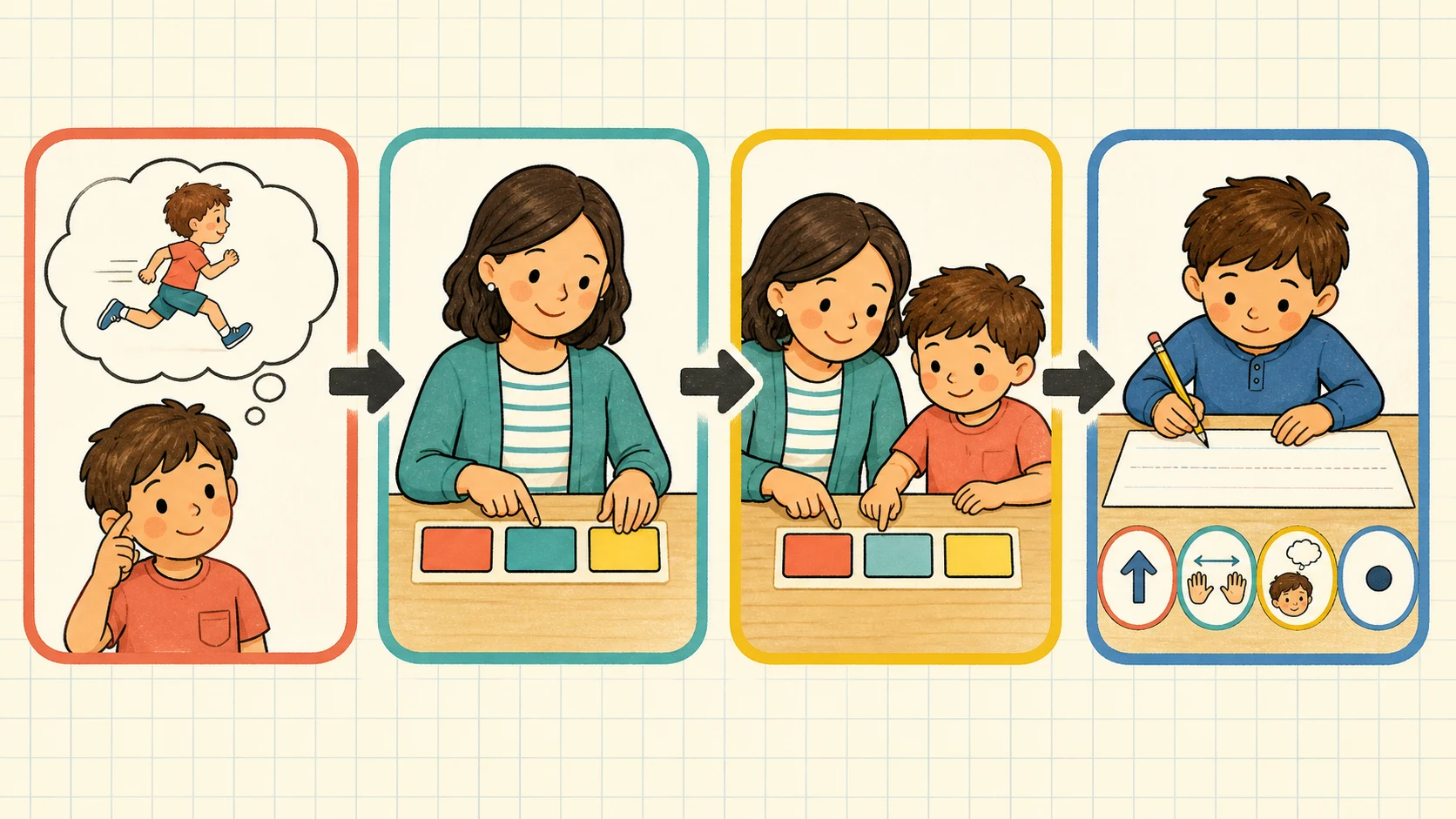
Rehearse the same sentence routine before dismissal so the home task begins with recognition rather than guesswork.
The launch is complete when the learner can answer three questions:
- What are you doing?
- What may you use?
- What should you do if you get stuck?
A useful stuck plan is specific: “Mark the item with a star, try the next one, and bring the page back.” “Ask an adult” is too vague and can turn support into reteaching or answer giving.
Use checked examples to calibrate real assignments
The following examples are grounded in the supplied catalogue facts. Each is appropriate only after the named skill has been taught.
Example 1: Pre-K counting with objects
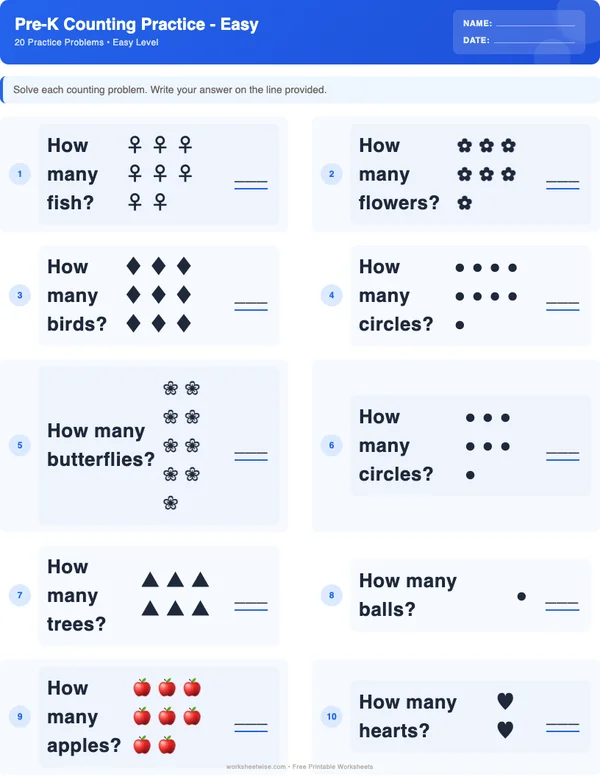
The free Pre-K counting sheet is labelled easy and contains 20 problems. Its topic includes number sequences, missing numbers, and counting sets. Twenty written responses may be too much for a young child, so assign only a few items that match the day’s teaching.
Before the page, place seven buttons in a scattered arrangement. Ask the child to touch or move each button while saying one number word, then answer, “How many altogether?” The verified teaching guidance recommends concrete objects before pictures and abstract numerals; a scattered group also makes one-to-one correspondence more visible than a neat row.
This belongs in a homework guide because it shows how to preserve the counting target while reducing desk work. For ages three and four, prioritize brief adult-led oral, matching, manipulative, and movement work over desk work. An adult might count five toy cars, match a numeral card to the set, and take five steps. The worksheet can record one or two examples after that interaction, but it should not dominate the session.
The next-day evidence is not merely whether “7” is written. Note whether the child skipped an object, counted one twice, continued counting after all objects were touched, or produced the right total without coordinating words and objects. Those observations lead to different responses.
The Pre-K Counting guide and free sheet is a concrete starting point for this routine. The IES Teaching Math to Young Children guide emphasizes purposeful instruction built through developmental progressions, monitoring, and attention to children’s mathematical language. That supports using the page as one representation among objects, actions, pictures, and spoken explanations.
Example 2: Kindergarten CVC decoding and spelling
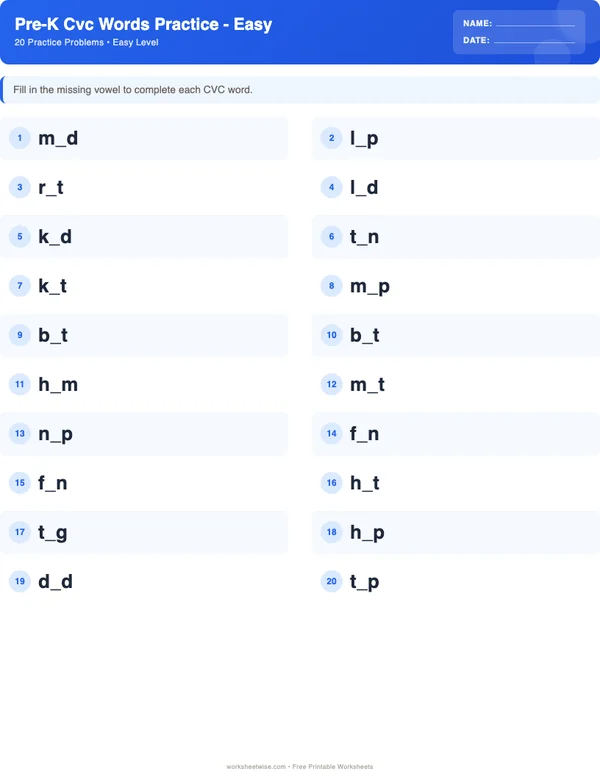
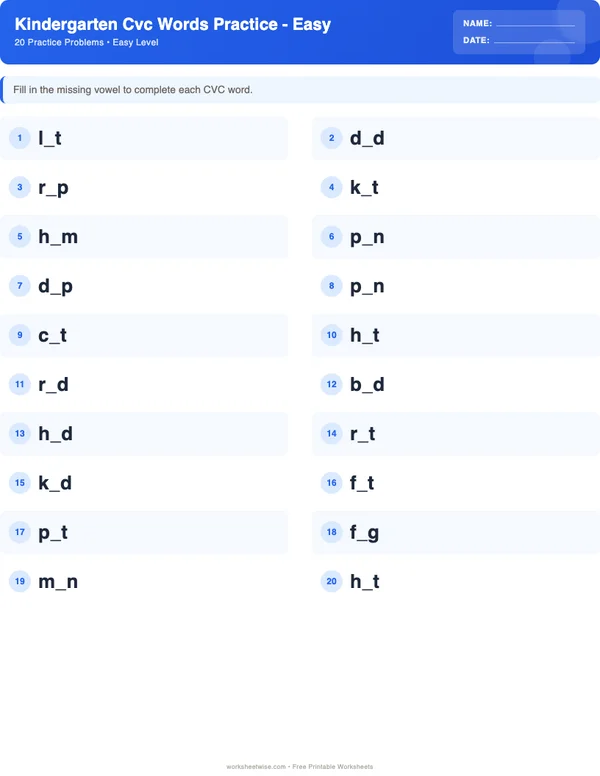
The representative kindergarten CVC resource contains 20 problems and practices consonant-vowel-consonant words through formats such as word building, picture matching, filling blanks, and reading. A sound check confirms that cat has /k/ /ă/ /t/, pin has /p/ /ĭ/ /n/, and hug has /h/ /ŭ/ /g/. Each has three phonemes represented by three letters.
Assign six items after continuous blending has been modeled. At home, the learner points under the letters and blends without large pauses: “mmmăăăp, map.” After reading map, the learner builds or writes it from sounds. This paired read-and-spell task belongs here because it preserves the catalogue’s decoding and encoding context while keeping the routine brief.
If the learner reads map as mat, look closely: the vowel was correct, but the final consonant changed. That calls for attention to the ending sound, not a full short-vowel lesson. If map becomes mop, compare the middle sounds orally and return to an anchor example. If the learner names letters but cannot blend the sounds, the prerequisite routine needs reteaching before another page.
Example 3: Kindergarten addition within a familiar range
The representative kindergarten addition resource contains 20 problems and spans a larger progression, from joining quantities with objects and pictures toward more abstract number sentences. Do not assign across that entire progression at once.
Suppose the taught example is . Check it concretely: three counters joined with two counters make five. Check it representationally: draw three dots and two dots, then count five. Check the equation: . These three forms agree.
This example belongs because homework can reveal whether the learner understands addition or merely recalls an answer. Assign perhaps four familiar equations and allow counters or a drawn ten frame. Those supports preserve the target: the learner still represents and combines the quantities.
The IES guide for assisting students who struggle with mathematics recommends systematic instruction and visual representations. It does not mean every learner needs the same scaffold indefinitely. Record whether counters were used, whether each combined set was recounted from one, and whether the learner could explain that the total increased.
An answer of 6 for may come from recounting one counter twice. A string of answers exactly one too large may reflect including the starting number incorrectly while counting on. Those hypotheses require a brief next-day demonstration; the worksheet alone cannot establish the cause.
Example 4: Kindergarten digraph discrimination
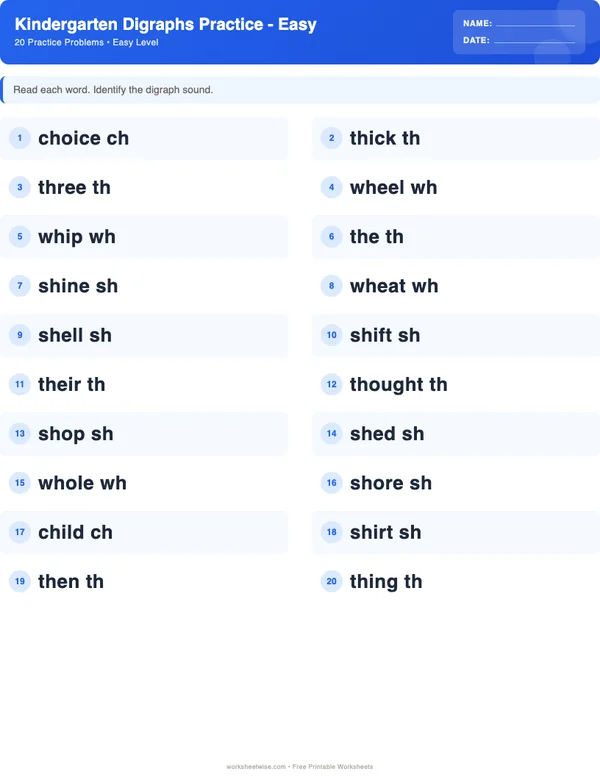
The representative kindergarten digraph resource contains 20 problems involving initial and final digraphs. A digraph uses two letters for one sound; a blend retains two sounds. Check the contrast: ship begins with sh, one /sh/ sound represented by two letters. slip begins /s/ /l/, two retained sounds. In duck, ck represents /k/ after the short vowel.
This belongs here because home practice can easily collapse into memorizing visible letter pairs. Launch with sound: say ship, stretch the initial sound, and hold two fingers together to represent two letters working as one. Then contrast it with slip, tapping /s/ and /l/ separately.
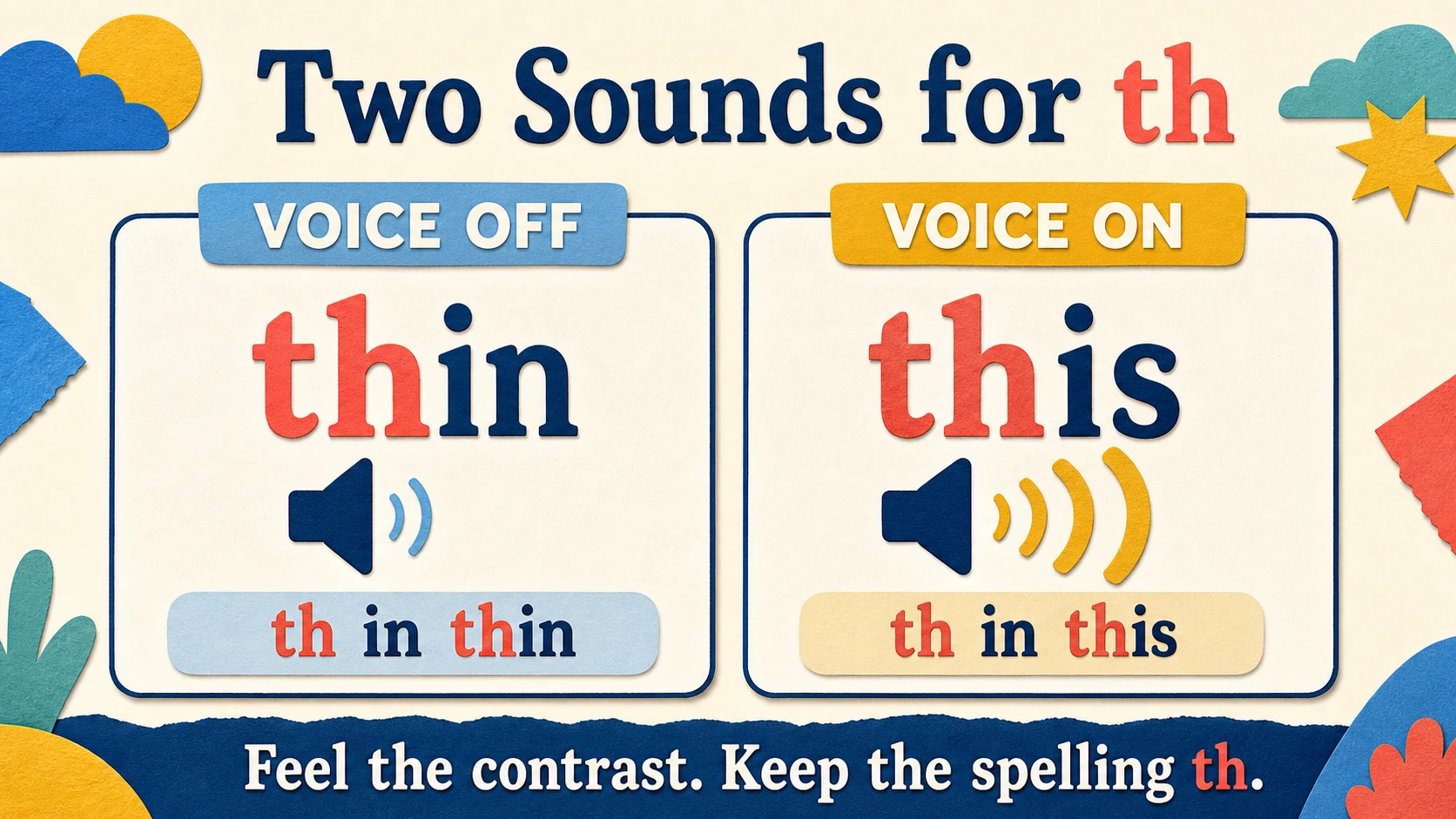
Even when a visual carries a second-grade label, inspect its modeled steps and use it only when those steps match the learner’s already-taught digraph work.
If a learner sorts chat under sh, ask the learner to say only the first sound and watch the mouth movement. If thin and this cause hesitation, remember that th has two pronunciations; exposure to both is appropriate, but the learner need not label them “voiced” and “unvoiced.”
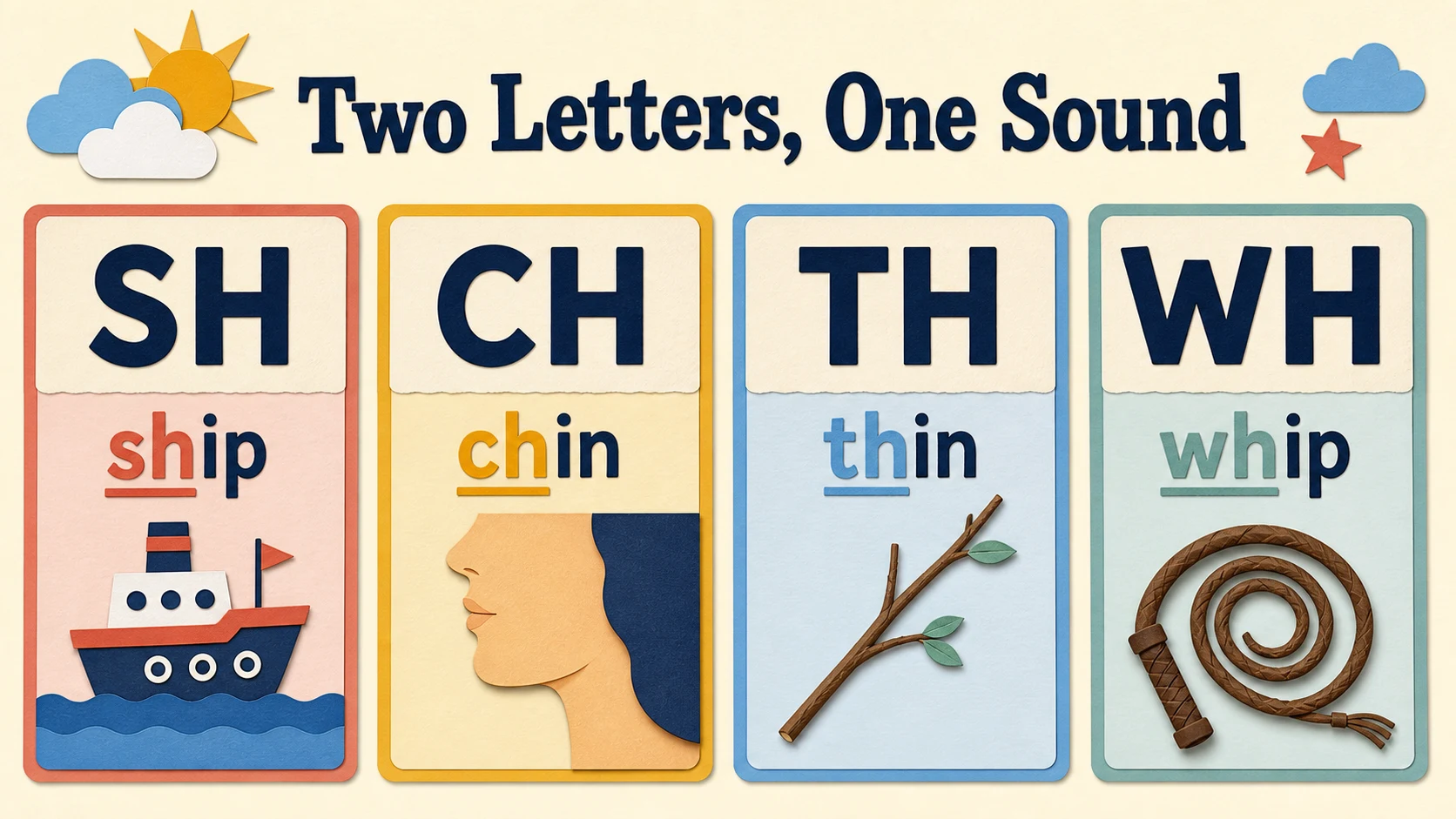
Use the map to keep identification, reading, spelling, and connected use distinct when deciding what tomorrow’s response should address.
Define the adult’s role at home
A short support note prevents well-intended adults from replacing the learner’s thinking.
Use wording such as:
Please ask your child to explain the direction and complete the circled items. You may reread the direction and provide the listed tool. Please do not correct answers while your child works. If an item remains confusing after one attempt, mark it with a star.
That note makes three boundaries visible: adults may clarify logistics, they may provide approved supports, and they should preserve the evidence.
For phonics, an adult may prompt, “Point to each spelling and blend.” Saying the entire word first changes the task. For math, an adult may offer counters when those were used in class. Demonstrating a new shortcut changes the method and may hide what the learner understands. For writing, an adult may ask the learner to reread a sentence; rewriting it in adult language removes the evidence.
Record substantial help without blame. “Adult read all word problems” is useful context. It tells the teacher that apparent computation success does not establish independent reading comprehension.
Observe without turning home into a test center
Observation should be light enough that the assignment remains normal. Adults need not time every response or catalogue every movement. Ask them to mark only information that changes tomorrow’s decision:
- I for independent;
- P for one prompt;
- T for a tool such as counters or a sound box;
- a star for stopped or uncertain.
The teacher can use the same marks during a classroom check. The marks separate an answer from its conditions. Two correct pages may represent different states if one was independent and the other required repeated prompting.
A two-week sight-word schedule is useful only if it includes cumulative review rather than treating each completed page as permanent learning.
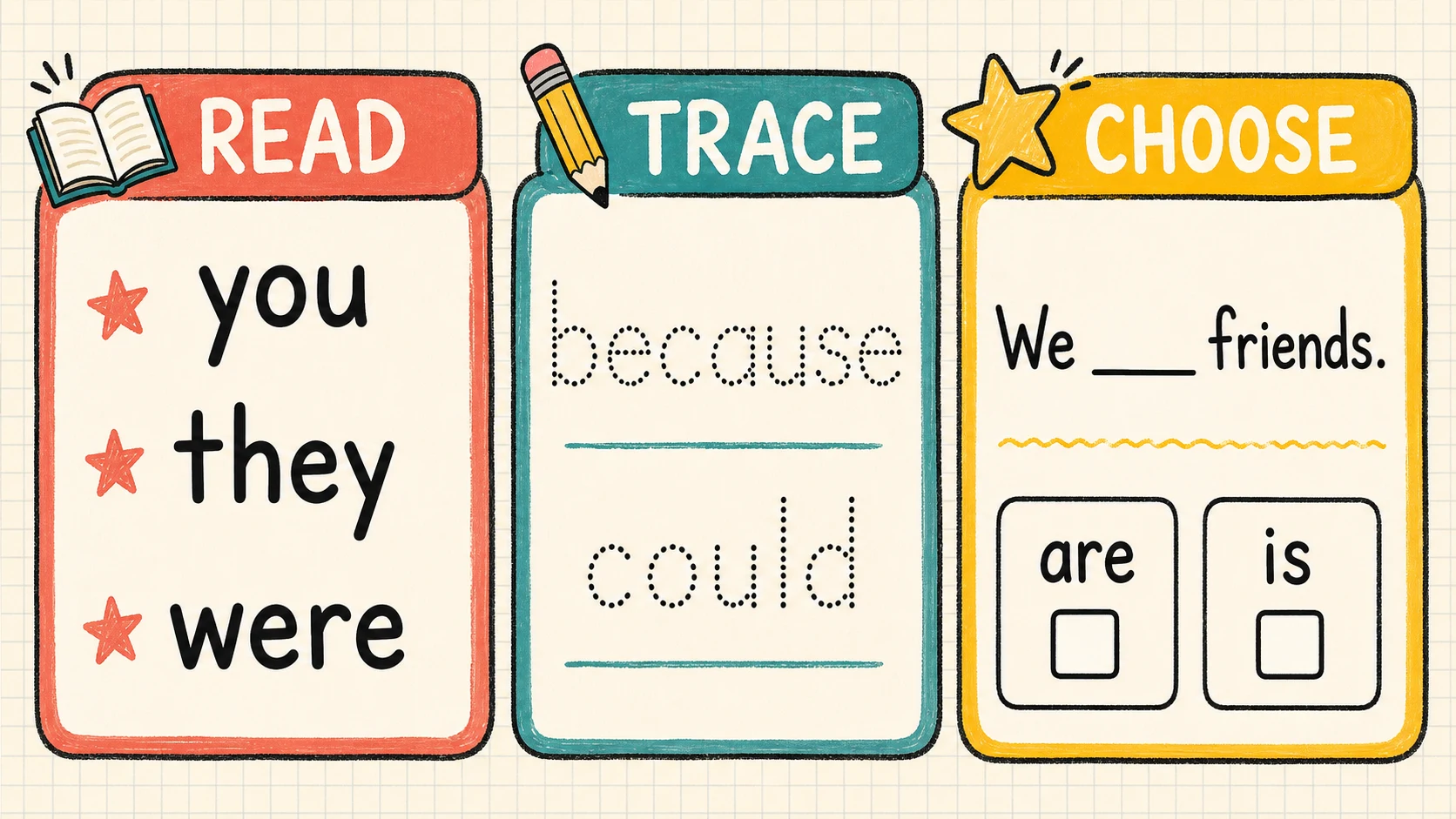
Space brief encounters with previously taught words, and record whether recognition holds on a later day and in a sentence.
For a sight-word check, distinguish immediate recall, effortful decoding, and guessing from context. A correct response after a long pause should not be recorded as instant recognition. Conversely, a learner who decodes a regular high-frequency word accurately is using a productive strategy; do not frame that as failure simply because it was not immediate.
Read errors as evidence, not a score
An answer key speeds comparison, but feedback begins by sorting errors according to the thinking they reveal.
Separate slips from patterns
A single reversed numeral amid otherwise accurate counts may be a recording slip. Five totals that are each one too high suggest a counting process worth observing. One omitted final consonant may be accidental; omission across tent, bump, and mask suggests that final sounds need renewed attention.
Do not diagnose a condition from a worksheet. Do not infer motivation, ability, or care from handwriting, completion, or mistakes. Describe what is visible: “three final consonants were omitted” is actionable; “careless reader” is not.
Verify the interpretation in conversation
Choose one representative item and ask:
- “Show me how you got this.”
- “What did you notice first?”
- “Can you make it with counters?”
- “Say the word slowly. Which sound matches this spelling?”
- “Read your sentence aloud. Does it express the whole idea?”
A learner may have the right answer for an unstable reason or a wrong answer after mostly sound reasoning. The conversation determines the response.
Give one feedback action
Feedback should ask the learner to do something observable. Examples include:
- recount the scattered set while moving each object into a counted group;
- underline the two letters representing /sh/ and reread the word;
- rebuild with counters, then redraw it;
- add a capital and period, then read the revised sentence aloud.
Avoid covering the page with corrections. If the same misconception appears eight times, address one or two examples and then provide a fresh check. Repeatedly correcting identical items adds volume, not information.
Convert returned work into next-day teaching
Returned homework matters only when it affects instruction. Use a brief triage routine before the next lesson.
Sort into three instructional responses
Continue: The learner completed the selected items independently, explained a representative answer, and handled the intended variation. Offer a short cumulative review later rather than assigning immediate repetition.
Confirm: The work is mostly accurate but contains an ambiguous pattern or relied on support. Conduct a one- or two-item check using a fresh example. Continue only if the learner demonstrates the target under the expected conditions.
Reteach: Several errors share one feature, the learner could not begin, or the representation was unfamiliar. Return to a clearer model, oral practice, objects, or a smaller contrast. Do not send another full page as the first response.
This is formative use, not grading by completion. The Formative assessment Worksheets With Answer Keys collection can support follow-up selection when the purpose is to reveal a specific next teaching move.
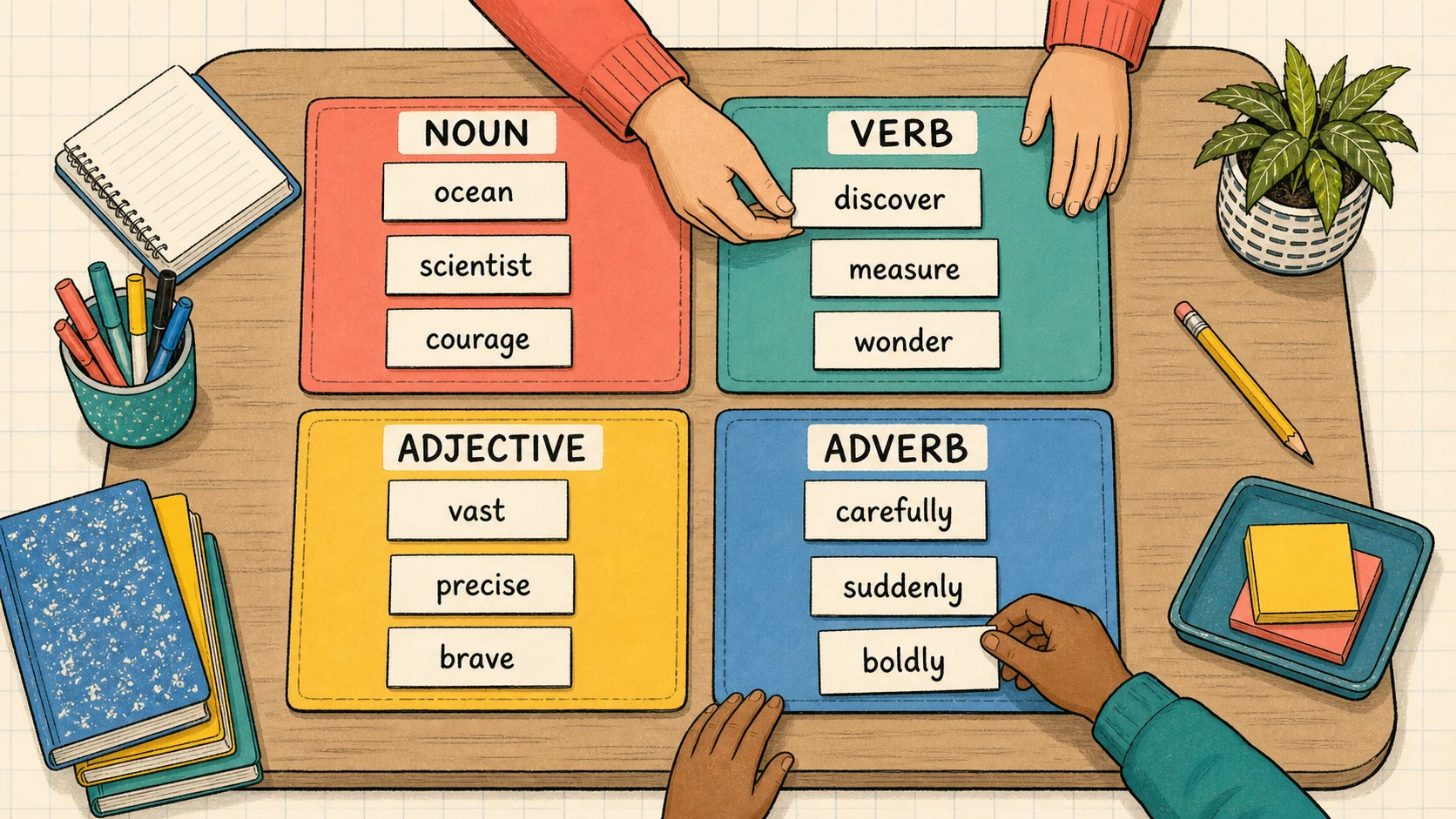
The routine’s value is the cycle—model, try, inspect, respond—not treating an upper-grade visual as evidence that the same grammar sequence fits every local curriculum.
The observable next action should appear in the record: “Tomorrow, ask Maya to count one scattered set of eight while moving each object,” or “Tomorrow, contrast ship and slip orally before assigning four mixed items.” “Needs more practice” is not specific enough to guide instruction.
Keep records that support decisions
Use one line per assignment rather than storing piles of scores:
| Date | Target | Assigned sample | Conditions | Pattern observed | Next action |
|---|---|---|---|---|---|
| Sept. 8 | Count objects once | 4 circled items | Counters allowed | Recounted two objects in scattered sets | Move counted objects into a cup |
| Sept. 9 | Read initial sh | 6 mixed words | One direction reread | Confused sh with s + h names | Model one sound from two letters |
| Sept. 10 | Join quantities within 5 | 4 equations | Counters used | Accurate with objects; unsure with symbols | Match one model to one equation |
The record should capture target, conditions, pattern, and response. A percentage alone cannot show whether a learner decoded independently, relied on pictures, or received adult correction.
Protect family privacy. Record instructional information, not judgments about the household. “Returned incomplete; learner reported no materials” is sufficient. There is no need to speculate about routines or support.
Reuse a worksheet without repeating the same demand
Reuse is worthwhile when the second encounter changes the evidence you collect.
A counting page can first be completed with objects and later revisited with pictures, provided that progression has been taught. A CVC list can be read first, then used for spelling from dictation. A digraph sort can become a short sentence-reading check. An addition page can be revisited by asking the learner to draw a representation for two selected equations.
Preserve the target during adaptation:
- enlarge print or increase answer space without simplifying the concept;
- read general directions aloud while leaving target words for the learner to decode;
- reduce copying when spelling, calculation, or sentence construction is the true target;
- allow manipulatives that were part of instruction;
- split the page across days while retaining representative item types;
- replace repeated written responses with oral pointing or matching for very young learners.
Do not claim independent mastery from an adapted condition unless independence was actually checked. Record the support, then fade or vary it deliberately.
The Independent practice Worksheets With Answer Keys collection is most relevant after a learner has shown that the directions, representation, and strategy are already familiar.
Know when a worksheet is the wrong tool
Do not assign a worksheet when the learner needs a first explanation, live corrective feedback, physical exploration, extended discussion, collaborative problem solving, oral-language practice, or authentic composition.
A page is also the wrong tool when:
- reading demands overwhelm the mathematics being checked;
- handwriting endurance obscures phonics or language knowledge;
- every item repeats an already-secure response;
- family members would need specialized terminology or a new teaching method;
- the answer key cannot capture multiple valid explanations;
- the task is likely to produce practice of a known misconception;
- the learner cannot identify how to begin after the classroom launch.
For ages three and four, a page should rarely replace oral language, movement, sorting, matching, and manipulation. Count steps, sort buttons, match pictures by initial sound, or build a CVC word with letters before expecting sustained desk work.
A worksheet is one source of evidence. Combine it with an explanation, a demonstration, reading in connected text, or a fresh example. Standards documents such as the Common Core mathematics standards and Common Core English language arts standards describe grade-level expectations, but they do not establish that a particular WorksheetWise page fits a learner or a local instructional sequence.
Make the next assignment smaller and more informative
For the next homework cycle, choose one already-taught target, work the first three items yourself, circle a short representative set, and write the permitted support directly on the page. Launch one parallel example before dismissal. When the work returns, verify one error pattern with the learner and record a single next action.
Start with the free deterministic worksheet generators to create a narrowly focused page, then reduce it to the smallest set that will give you useful next-day evidence.
Put it into practice
Use the guide with a real printable
Move from explanation to a short, observable practice task. Check the first item together, then adjust the next session from the learner's actual work.
Open the first free worksheetExplore a neighboring collection
Choose by a different teaching need
After-School Worksheets With Answer Keys Formative Assessment Worksheets With Answer Keys Classroom Worksheets With Answer Keys Homeschool Worksheets With Answer Keys Independent Practice Worksheets With Answer Keys Intervention Worksheets With Answer Keys Morning Work Worksheets With Answer Keys School Readiness Worksheets With Answer Keys