Curated collectionAnswer keys includedPrint-ready PDFs
Summer Learning Worksheets With Answer Keys
Maintain selected skills through a light spaced schedule, learner choice and short review loops rather than recreating a school day.
Start with a real resource
Browse this worksheet collection
107 relevant free entry points are available. Each one includes a printable learner PDF and separate answer key.
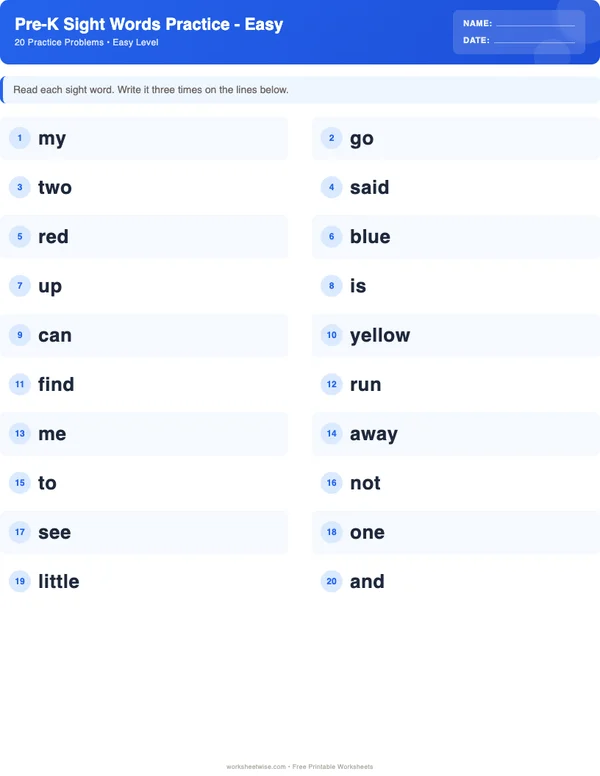
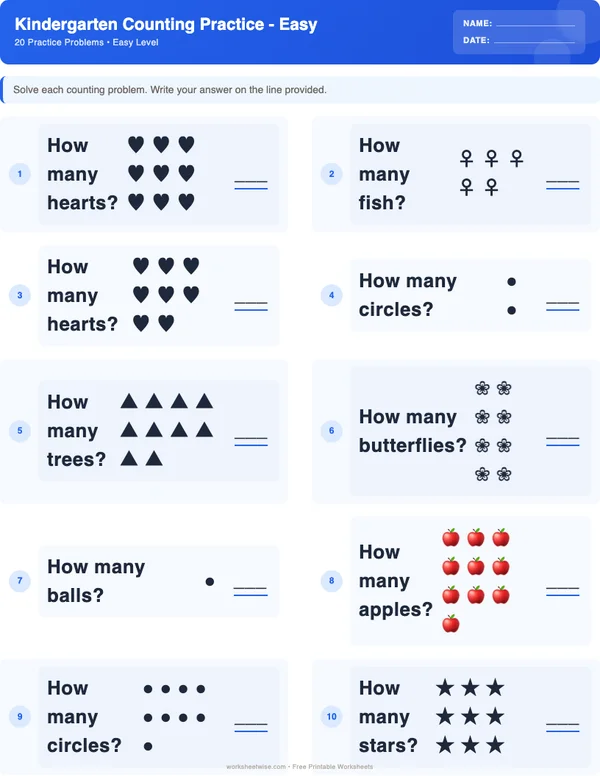
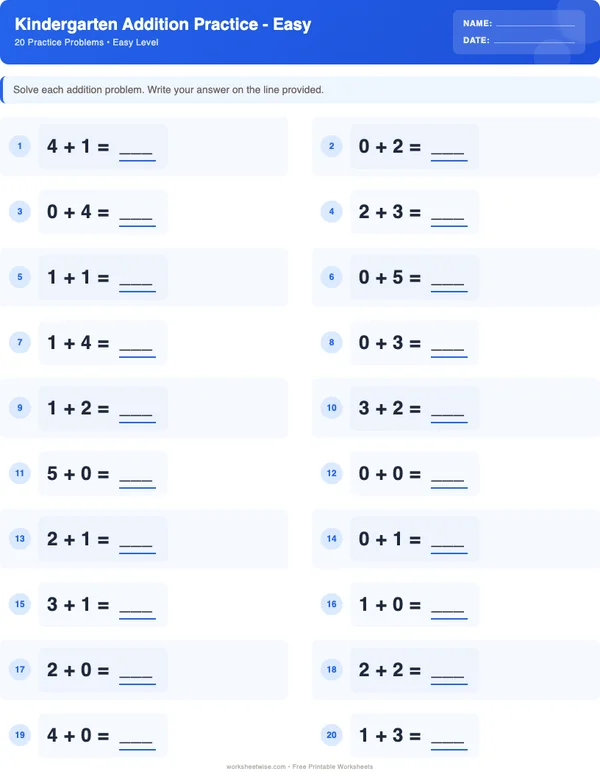
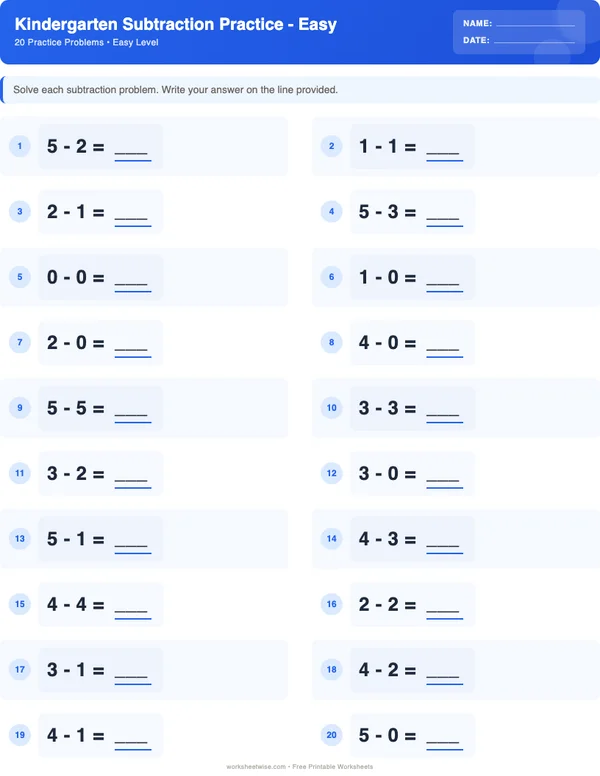
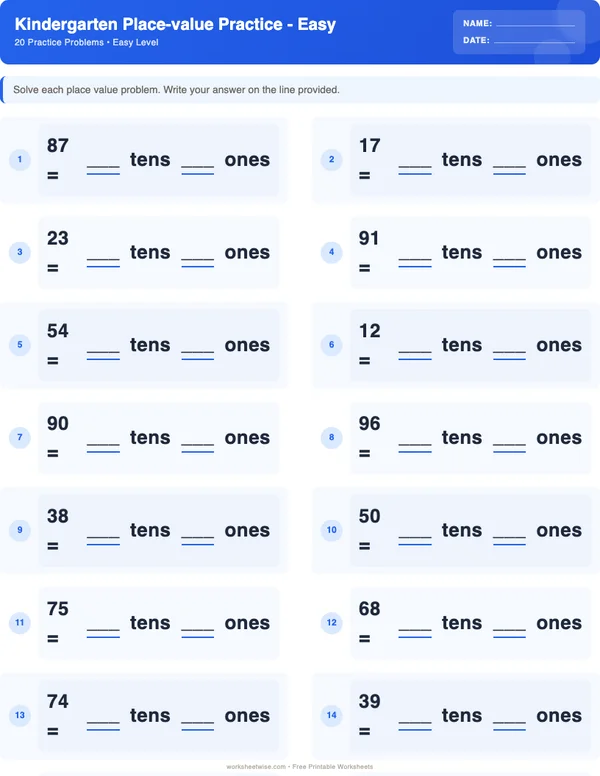
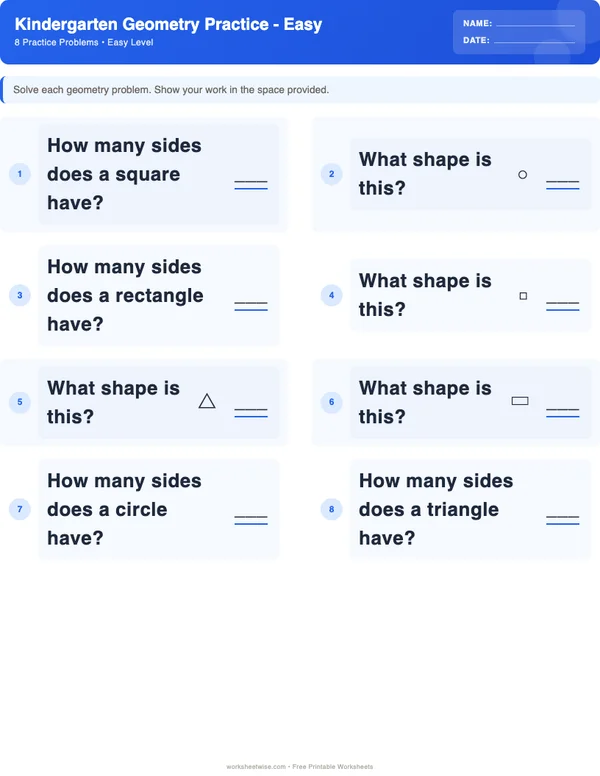
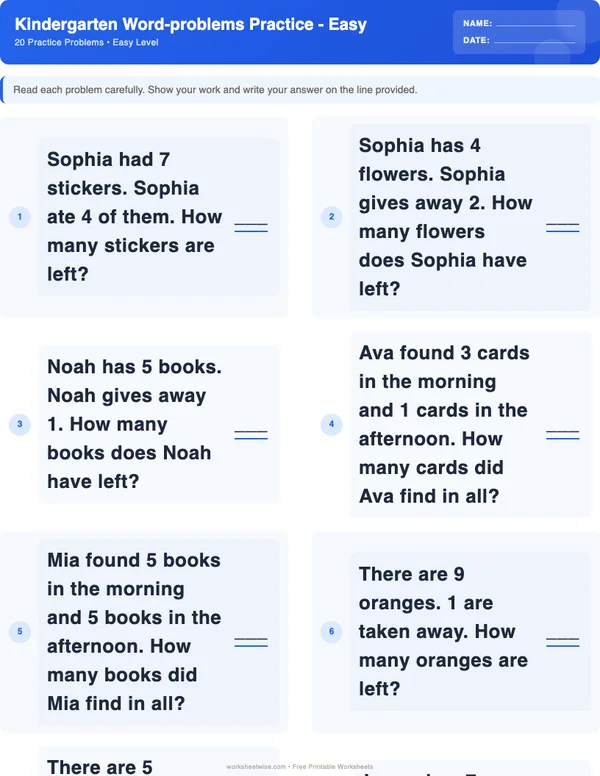
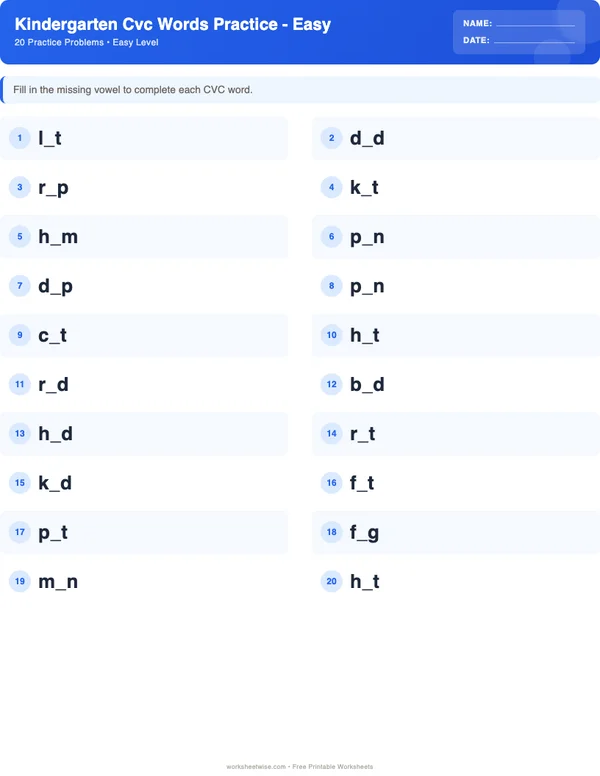
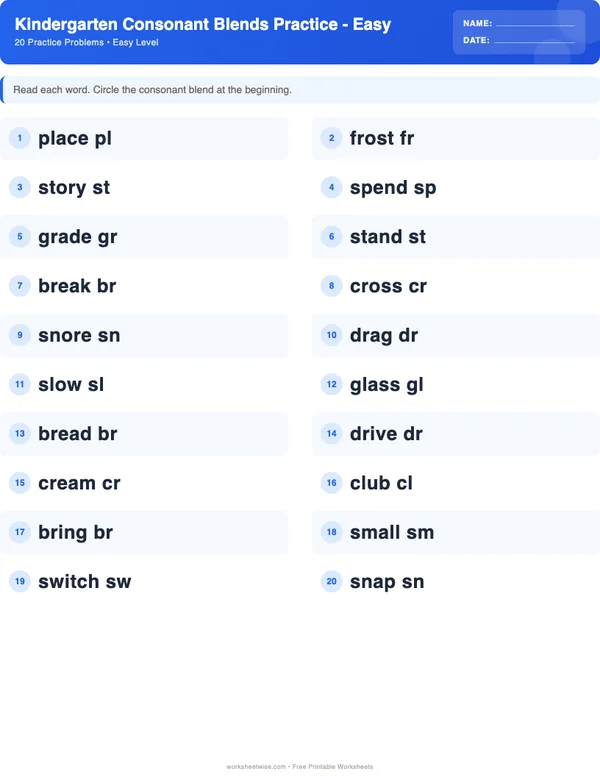
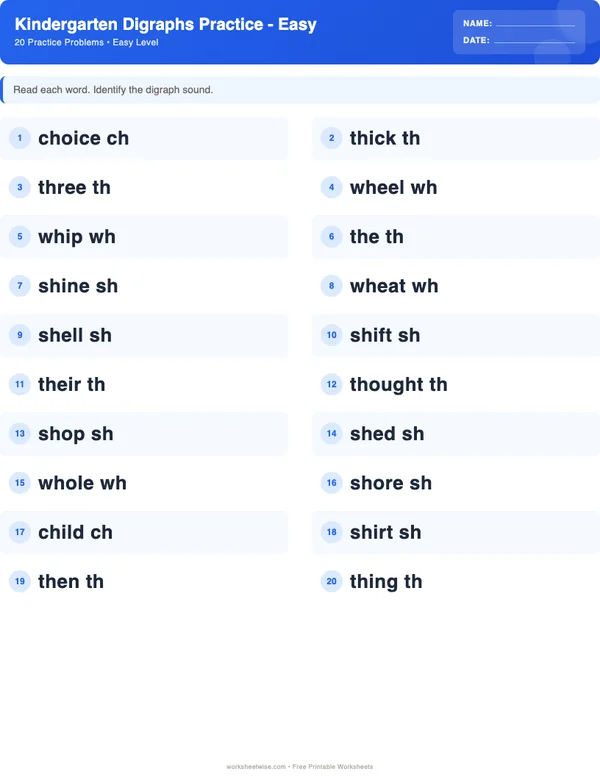
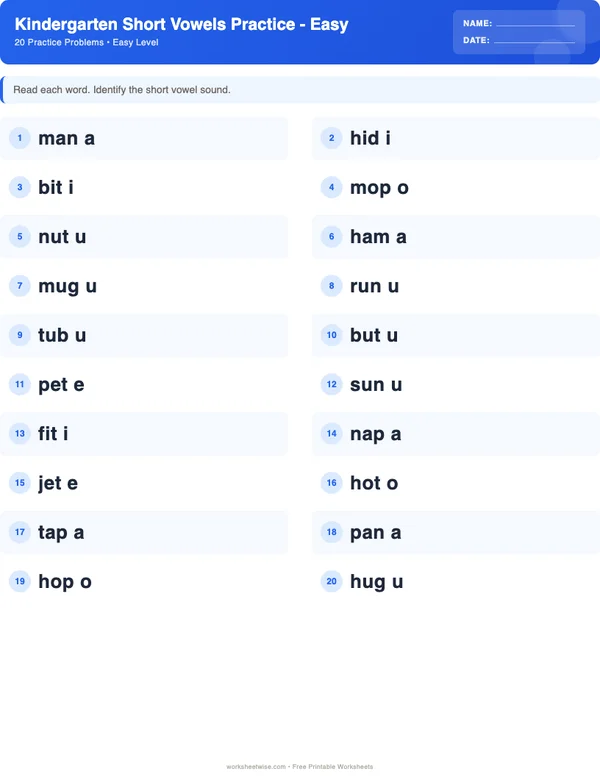
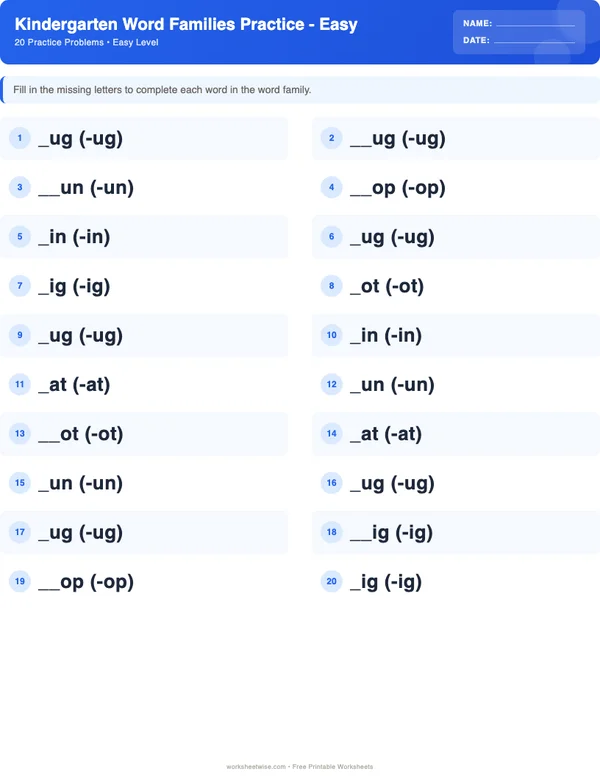
A useful practice loop
Print less. Observe more.
- Choose one skill and model the first item aloud.
- Use a short set and notice the learner’s strategy.
- Change the next task from the work you can see.
Need more than the free sheet?
Plus includes all 1926 matching catalogue variations where available, plus saved deterministic generators and the worksheet designer.
See Plus membershipExplore summer learning worksheets with answer keys by subject or level
Complete guide
How to teach and practise summer learning worksheets
3,727 words Updated 6 instructional visuals
Build a summer routine that stays light
Use summer learning worksheets to maintain a few selected skills—not to reproduce a school day. Choose one math target and one literacy target at a time, schedule two or three brief sessions each week, and end each session with a review question or real-world application. Let the learner choose the subject order, writing tool, or activity context while the adult keeps the target skill constant.
The live WorksheetWise catalogue currently contains 1,926 variants across eight grades, four subjects, and 23 topics, including 107 free resources. That range makes selection important: more pages do not create a better routine. A useful week might contain only six to twelve carefully selected problems, one short reading or oral-language activity, and one practical follow-up.
Use grade and age labels to find plausible starting points, then inspect the task itself. Grade labels describe the intended practice level; local curriculum sequences differ. Age is a discovery aid rather than a placement decision. For ages three and four, prioritize brief adult-led oral, matching, manipulative, and movement work over desk work.
This guide’s schedules, stopping rules, record sheets, and examples are editorial suggestions for using the catalogue. When research-informed guidance is relevant, it is attributed to an approved source. Those sources did not assess WorksheetWise.
Prepare around two targets, not a stack of pages
Before printing, decide what should still feel familiar when school resumes. “Do math” is too broad. “Count a scattered set without counting an object twice” is observable. So are “blend four sounds without dropping the second consonant,” “distinguish area from perimeter,” and “align decimal places before adding.”
Select a narrow maintenance target
Use this four-part test:
- Relevant: The learner previously encountered the skill, or an educator specifically asked the family to review it.
- Visible: You can tell what the learner does, not merely whether the final answer is correct.
- Small: It can be practiced and discussed in about 10–20 minutes.
- Reusable: The idea can reappear later in a game, conversation, book, recipe, walk, or fresh problem.
A child who learned addition within 10 might maintain “make or recognize combinations of 10.” A third grader might maintain “classify shapes by their properties.” A sixth grader might maintain “add and subtract decimals while preserving place value.” These are more useful than a plan to complete a certain number of pages.
Use the full worksheet library to compare topics, but print only the next few sessions. A large packet creates an implicit completion goal; a small working set keeps the skill goal visible.
Read difficulty through task features
The catalogue may identify a free sheet as “easy,” but that label describes a resource tier, not a learner. Translate any difficulty label into observable features:
- Are objects, pictures, ten frames, sound boxes, or number lines supplied?
- Is the response selected, matched, spoken, copied, or generated?
- Does each item require one step or several?
- Are numbers small, whole, fractional, or decimal?
- Is the relevant spelling pattern highlighted?
- Must the learner read a context before solving?
- Are examples mixed, or does one item type repeat?
A supported task might show five objects and ask for a matching numeral. A less-supported version might present a missing-number sequence. A further step might ask the learner to count an unsorted collection and explain how they avoided double-counting. Choose based on these demands, not on a fixed identity such as “advanced child.”
Prepare a choice menu
Offer choices that do not change the learning target. For example:
- pencil, marker, counters, or magnetic letters;
- math before phonics or phonics before math;
- six problems now or three now and three later;
- explain to an adult, a sibling, or a toy;
- use the printed page or copy selected problems onto a whiteboard.
Do not offer “Do you want to practice counting or not?” if counting is the agreed target. Choice should reduce unnecessary friction while preserving the planned review.
Use a two-or-three-day spaced schedule
A practical summer rhythm is short exposure, a gap, retrieval, another gap, and a mixed check. The following schedule is a planning suggestion rather than a guaranteed formula.
Day A: reconnect
Spend 10–15 minutes on one skill:
- Name the target in learner-friendly language: “Today we are keeping track of every object once.”
- Demonstrate one item while thinking aloud.
- Complete three to six items.
- Ask one “How did you know?” question.
- Stop while the learner can still describe the method.
Day B: retrieve and vary
Return after one or more days:
- Begin without displaying the completed Day A page.
- Ask the learner to recall the method.
- Complete three to six new items with one feature changed.
- Add an oral, manipulative, or movement version.
- Correct one important error through a short redo.
Day C: mix and apply
Later in the week:
- Include two familiar items and one nearby variation.
- Ask the learner to choose a representation.
- Use the skill outside the worksheet.
- Record one observation and choose the next action.
For a family with limited time, Days A and C are enough. Avoid compensating for a missed session by doubling the next one. Continue with the next brief meeting.
A weekly pattern might be math on Monday, phonics on Wednesday, and learner’s choice on Saturday. Another might alternate ten-minute sessions before a preferred activity. Consistency matters operationally, but the plan should bend around travel, care arrangements, and fatigue.
Launch each session without turning home into school
Keep the opening under two minutes. State what will happen, how long it will take, and what choice the learner controls:
“We’ll work on six blend words for about ten minutes. You can use sound boxes or tap the sounds on your fingers. Afterward, you’ll choose one word for a silly sentence.”
Do not begin by reviewing every prior mistake. Put only the needed materials on the table. For a counting task, that could be the page, 20 counters, and a marker. For decimals, it might be the page, place-value chart, and scrap paper. Extra manipulatives are distractions unless they serve the target.
Use a model–try–check loop
- Model: Solve one example and name the decision.
- Try: Let the learner attempt one comparable item.
- Check: Ask for an explanation or demonstration.
- Continue or adjust: If the method is sound, release more responsibility. If not, change the representation before adding more items.
The IES guide for elementary mathematics intervention recommends systematic instruction, concise mathematical language, well-chosen representations, number lines, and deliberate word-problem teaching. In this summer context, that supports using one clear model and one purposeful representation—not decorating every problem with multiple aids.
Check the mathematics through concrete examples
A correct answer can conceal counting, geometry, money, or place-value confusion. Watch the action that produces the answer.
Checked example 1: Pre-K counting with 8 objects
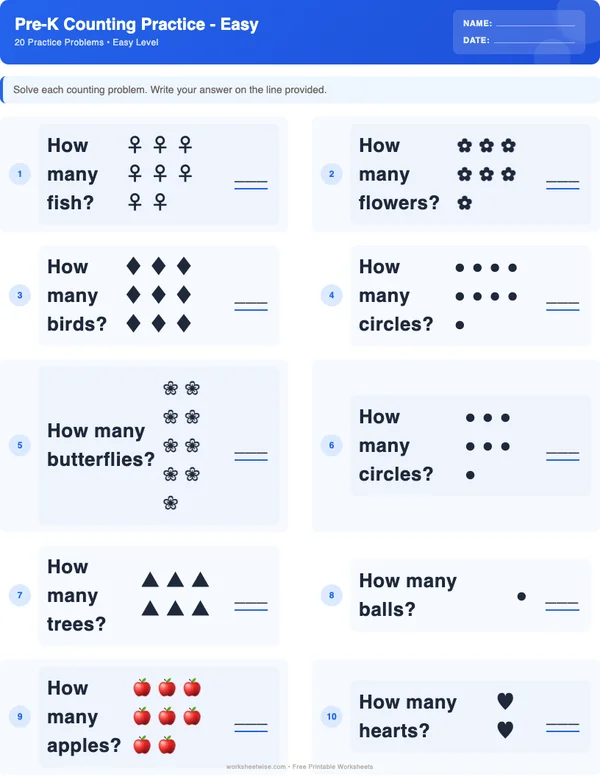
The catalogue’s Pre-K counting resource has 20 problems and describes practice with number sequences, missing numbers, and sets of objects. For a three- or four-year-old, do not begin by assigning all 20 problems. Place eight buttons in a scattered arrangement and ask, “How many are there?”
Watch whether the child:
- touches or moves each button once;
- coordinates one spoken number with one object;
- gives the final count as the quantity;
- starts over productively after losing track.
If the child says “one, two, three, four, five, six, seven, eight” while touching each of the eight buttons once, the result and method agree. If the child also says eight but touches one button twice and skips another, the correct answer is accidental evidence, not secure evidence.
Preserve the target by changing access, not the mathematics. Let the child move each counted button into a cup, line the buttons up, or hop once per object. Then show a picture or select two or three items from the Pre-K Counting guide and free sheet. The page belongs here because the verified catalogue explicitly places concrete-object counting within Pre-K practice and supplies a 20-problem free entry point from which an adult can select a very small portion.
The IES early-math guide recommends developmental progressions and progress monitoring that builds on what a child knows. It also addresses integrating mathematical descriptions into children’s surroundings. Counting cups at lunch or stones on a walk can therefore complement selected worksheet items without claiming that the sheet itself has been evaluated by IES.
Checked example 2: third-grade geometry classification
Suppose the target is to classify quadrilaterals by properties. Present a square, a non-square rectangle, a rhombus without right angles, and a trapezoid. Ask the learner to mark every shape with four sides, then every shape with four right angles.
Check the classifications yourself:
- All four named shapes are quadrilaterals because each has four sides.
- The square and non-square rectangle each have four right angles.
- The rhombus in this example does not have four right angles.
- The stated trapezoid’s inclusion under narrower category definitions can vary, so avoid using it to test whether a trapezoid must exclude parallelograms unless the learner’s curriculum has established a definition.
This example belongs in a summer guide because it maintains property language through a short sort rather than starting a new geometry unit. If the learner identifies shapes only by appearance, rotate them and ask, “Which property stayed the same?” Use craft sticks to build a quadrilateral before returning to one or two printed classification items.
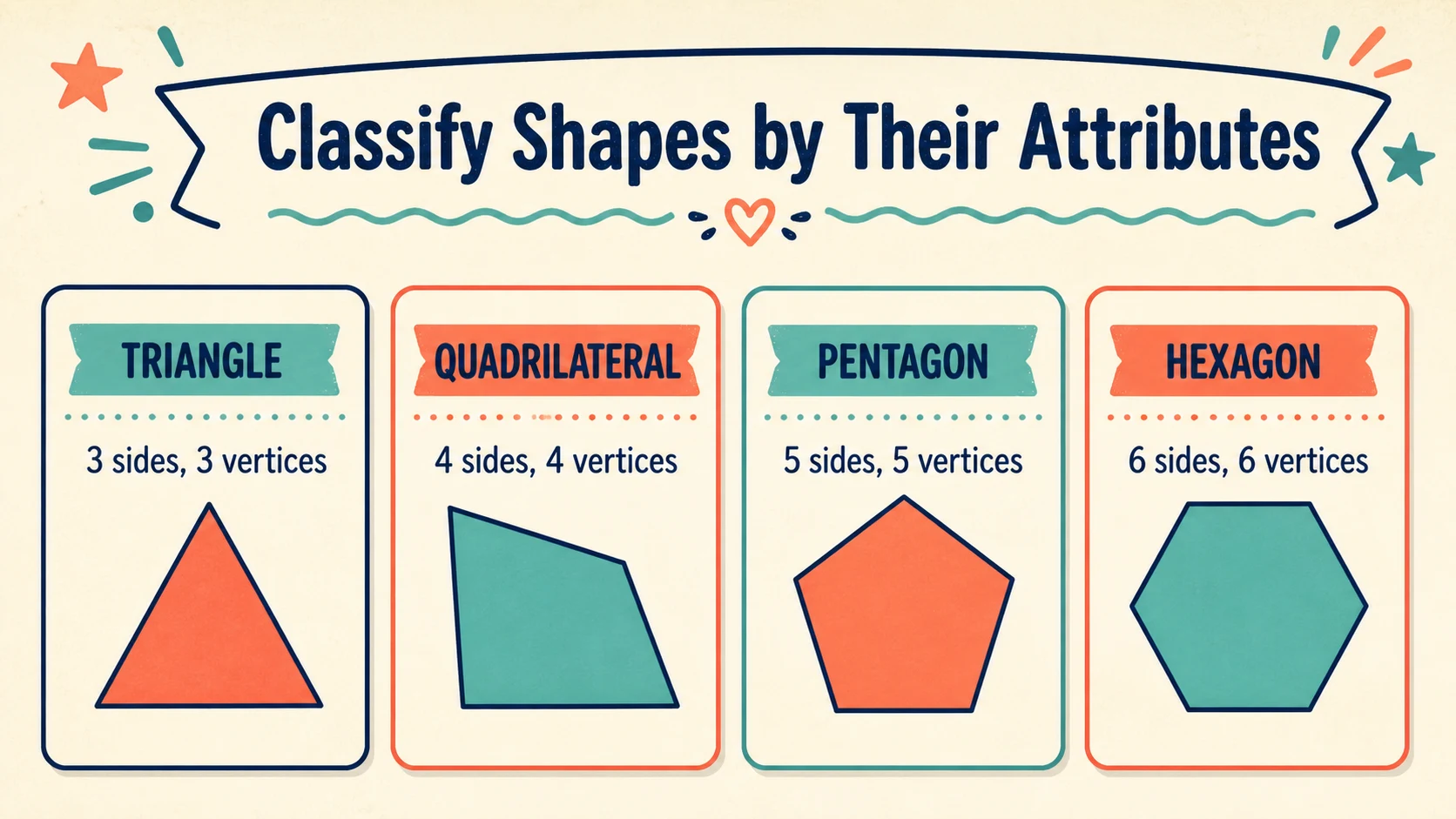
Use the map to choose one geometry relationship for the week, not every branch at once.
Checked example 3: third-grade money with two methods
Ask: “A notebook costs $2.35. You pay with $5.00. How much change should you receive?”
Check it in two ways:
- Subtraction: .
- Count up: $2.35 to $3.00 is $0.65; $3.00 to $5.00 is $2.00; total change is $2.65.
The answer is $2.65. This belongs here because money supports a short review loop: solve on paper, model with play money or coins, then explain the same difference by counting up. If the learner writes $3.30, do not simply mark it wrong. Ask the learner to estimate first: the notebook costs a little more than $2, so the change from $5 should be a little less than $3. That reasonableness check narrows the problem before a redo.
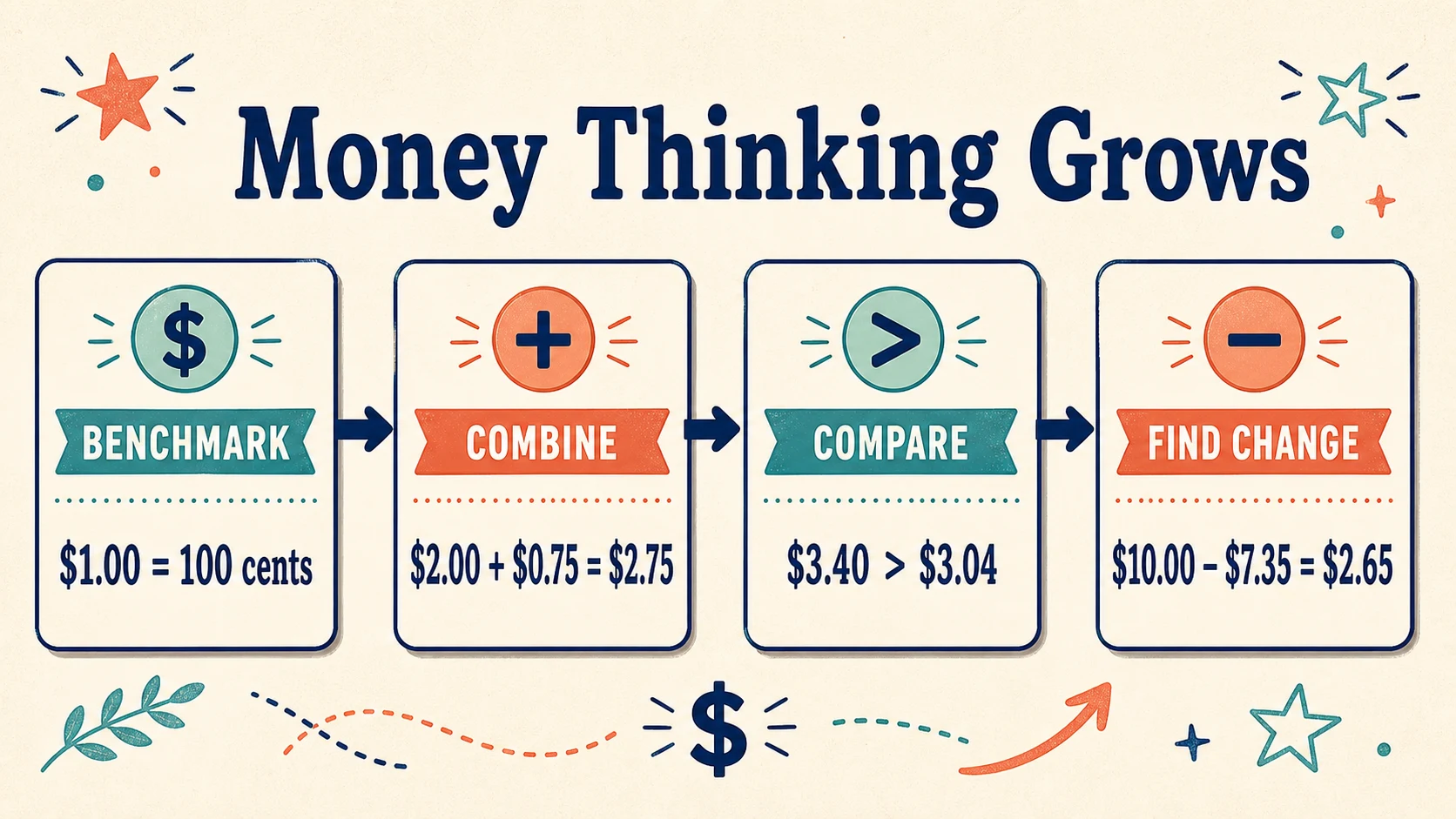
Move along the progression only when the learner can explain the value of the money, not merely copy a written procedure.
Checked example 4: sixth-grade decimals and place value
Ask the learner to calculate .
Align decimal points:
  4.70
- 2.85
------
  1.85
The checked answer is 1.85. A concrete interpretation is 470 hundredths minus 285 hundredths, leaving 185 hundredths. An estimate confirms the scale: is about 1.8.
This example belongs in summer maintenance because it connects a familiar written procedure to place value without launching a full decimals sequence. If the learner produces 2.15 by subtracting each smaller digit from the larger digit, use a place-value chart or money model and compare the result with the estimate. Preserve decimal subtraction as the target; do not turn the session into a test of lengthy written explanations.
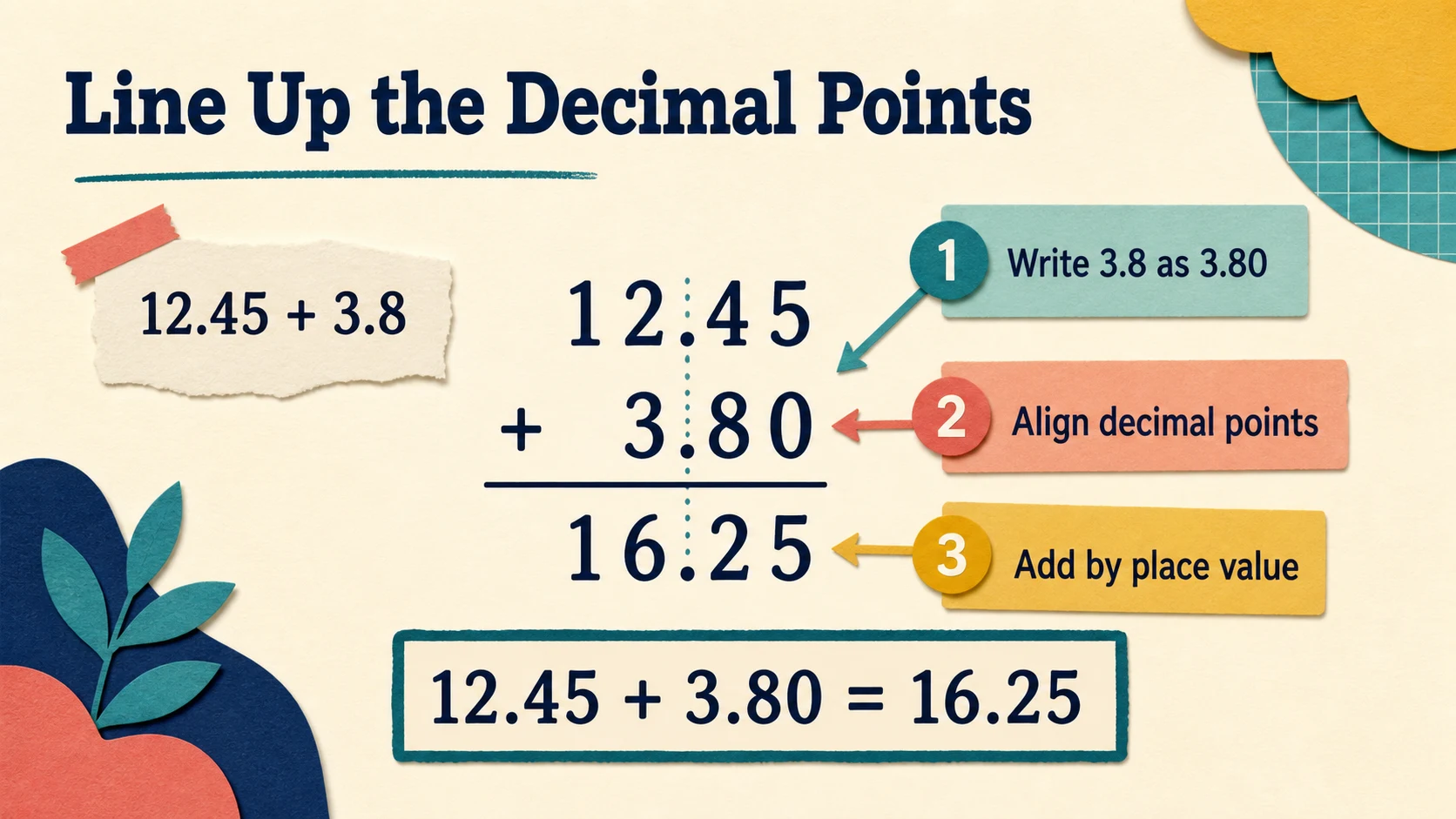
Use the concrete model to make regrouping visible, then remove it when the learner can justify each place-value move.
Maintain phonics and writing through sound-to-text loops
A phonics page is most useful when the learner says, reads, builds, and writes a small number of words. Twenty written responses alone can hide whether the learner heard the sounds.
Checked example 5: second-grade consonant blends
Use the chain lap → clap → clam → clamp. Verify each change aloud:
laphas /l/ /a/ /p/.clapadds /k/ before /l/.clamchanges final /p/ to /m/.clampadds /p/ after /m/.
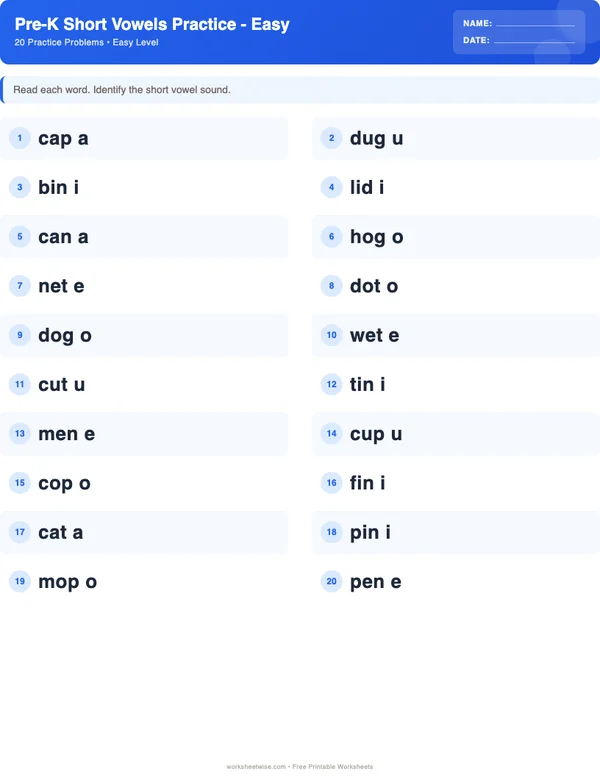
Ask the learner to move one letter tile per change, read the new word, and identify what changed. If stop is read as sop, the second consonant has been dropped. Have the learner tap /s/ /t/ /o/ /p/, blend again, and then read a short sentence containing stop. Do not remove all blend words; that would remove the target skill. Reduce the number of items or add sound boxes instead.
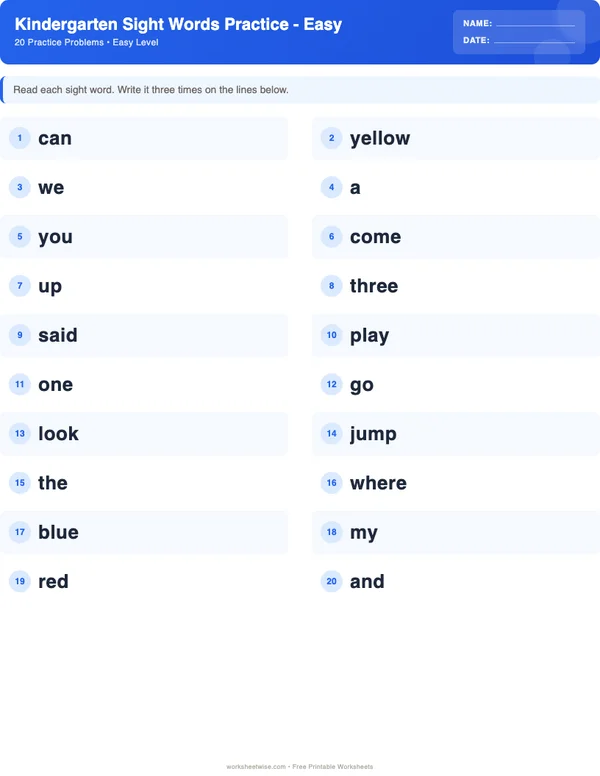
This example belongs here because the verified catalogue describes consonant blends as two or three consonants in which each retains its sound, identifies dropping one consonant as a common error, and recommends word chains and connected text. The catalogue’s representative free consonant-blends sheet is labeled Kindergarten, while the required visual presents a second-grade routine. That difference is a reason to inspect actual task features rather than assign by the image’s or resource’s grade label alone.
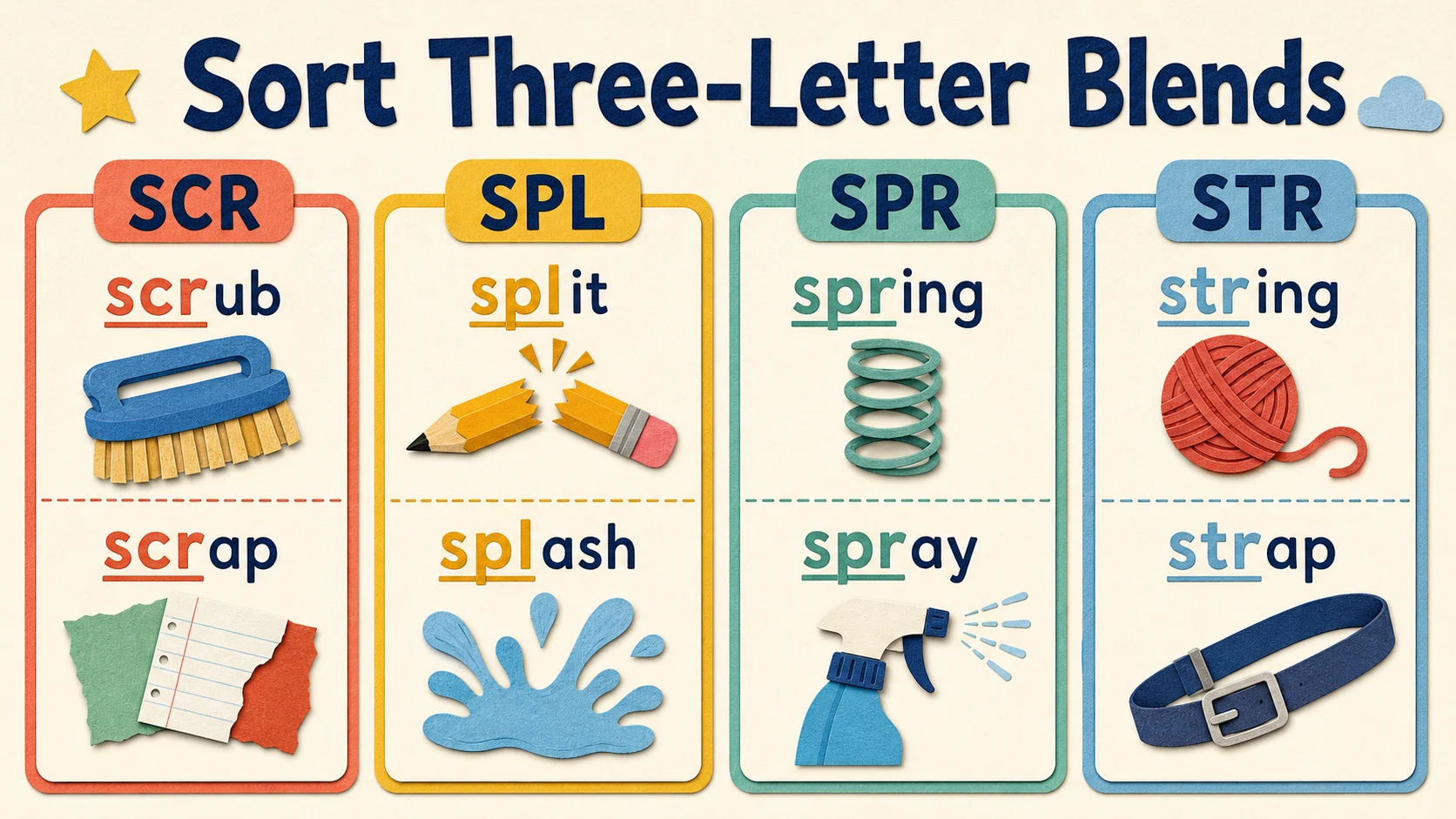
Repeat the same hear–build–read–write structure with a new blend instead of extending one session.
The IES foundational-reading guide recommends linking speech sounds to letters, teaching decoding and word analysis, and having learners read connected text regularly. A summer worksheet can supply word-level practice, but it should not replace reading an appropriate book, passage, poem, or sentence.
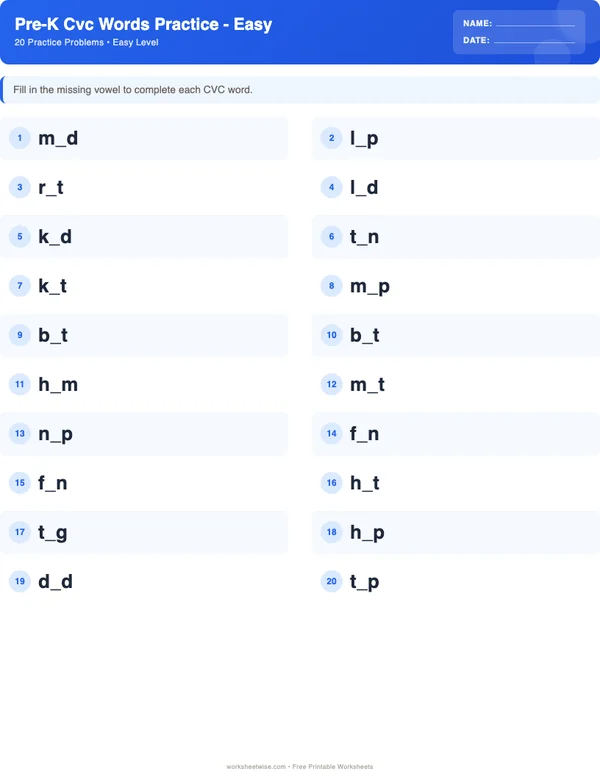
For younger learners, the Pre-K CVC Words guide and free sheet offers a more suitable discovery point when three-sound words such as cat, pin, and hug match prior instruction. For ages three and four, say and build two or three words together with tokens or magnetic letters; do not require a 20-item desk session.
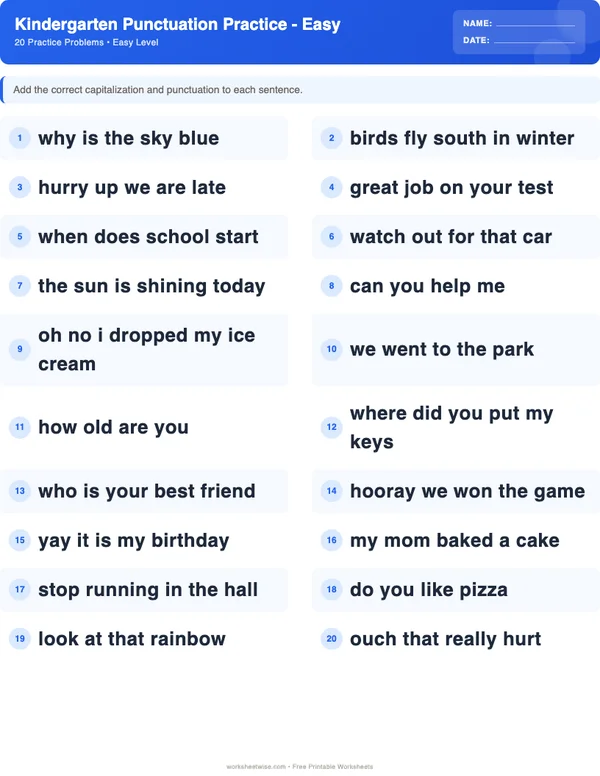
Checked example 6: sixth-grade punctuation as meaning
Present these two sentences:
After we ate Grandma washed the dishes.After we ate, Grandma washed the dishes.
The second sentence uses a comma after the introductory dependent clause. The comma clarifies that eating happened before Grandma washed the dishes. Then compare:
Let’s eat, Grandma.Let’s eat Grandma.
The comma in the first sentence marks direct address; without it, the literal reading changes. Ask the learner to explain what the punctuation signals rather than merely insert marks.
This belongs in summer review because two checked sentence pairs can reveal whether the learner connects punctuation to sentence structure and meaning. If the learner punctuates the first pair correctly but cannot explain why, provide another introductory clause. If commas are inserted at every spoken pause, contrast a grammatical boundary with a performance pause.
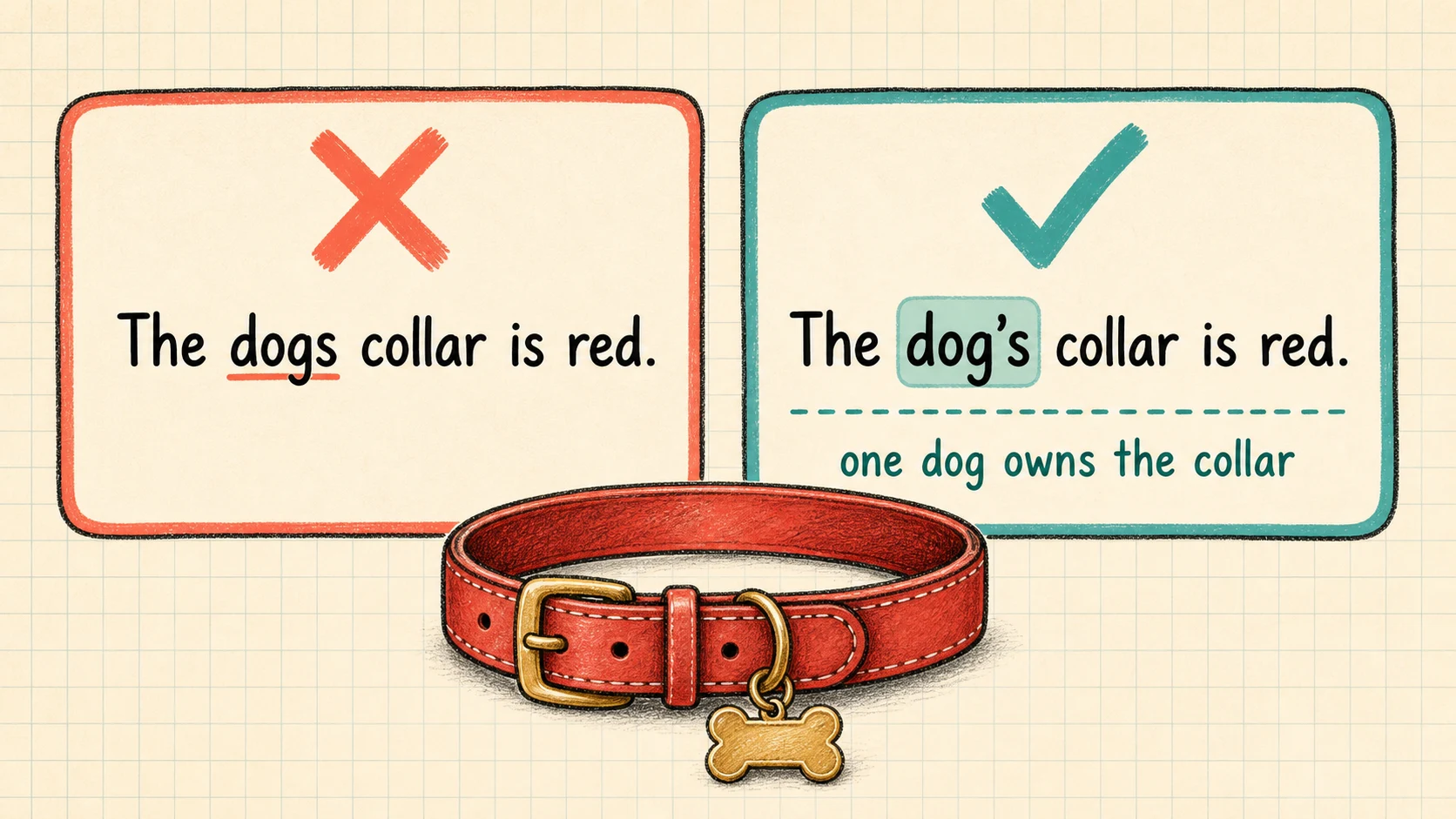
Treat each punctuation pattern as a clue for the next sentence-level lesson, not as a diagnosis of the learner.
The IES elementary-writing guide recommends daily writing time, teaching the writing process, building fluency with foundational writing skills, and creating an engaged community of writers. During summer, a brief authentic extension might be revising a postcard sentence, labeling a comic, or writing directions for a game. That extension is an editorial application of the guidance, not a sourced claim about a particular worksheet.
Include time through clocks, talk, and movement
Checked example 7: first-grade telling time
Set an analog clock to 3:30. Check the features:
- the minute hand points to 6, representing 30 minutes;
- the hour hand sits halfway between 3 and 4;
- the time is 3:30, or half past three.
If the learner says 6:15 because the hands point near 6 and 3, ask which hand measures minutes and count around the clock by fives. Then have the learner move the hands from 3:00 to 3:30 and describe what changed.
Preserve telling time as the target by reading the problem aloud if decoding the directions is the barrier. Do not replace the clock with a digital display if the intended skill is reading an analog clock. This example belongs here because it creates a brief summer routine that can transfer immediately to “We leave at 3:30” or “Snack is in half an hour.”
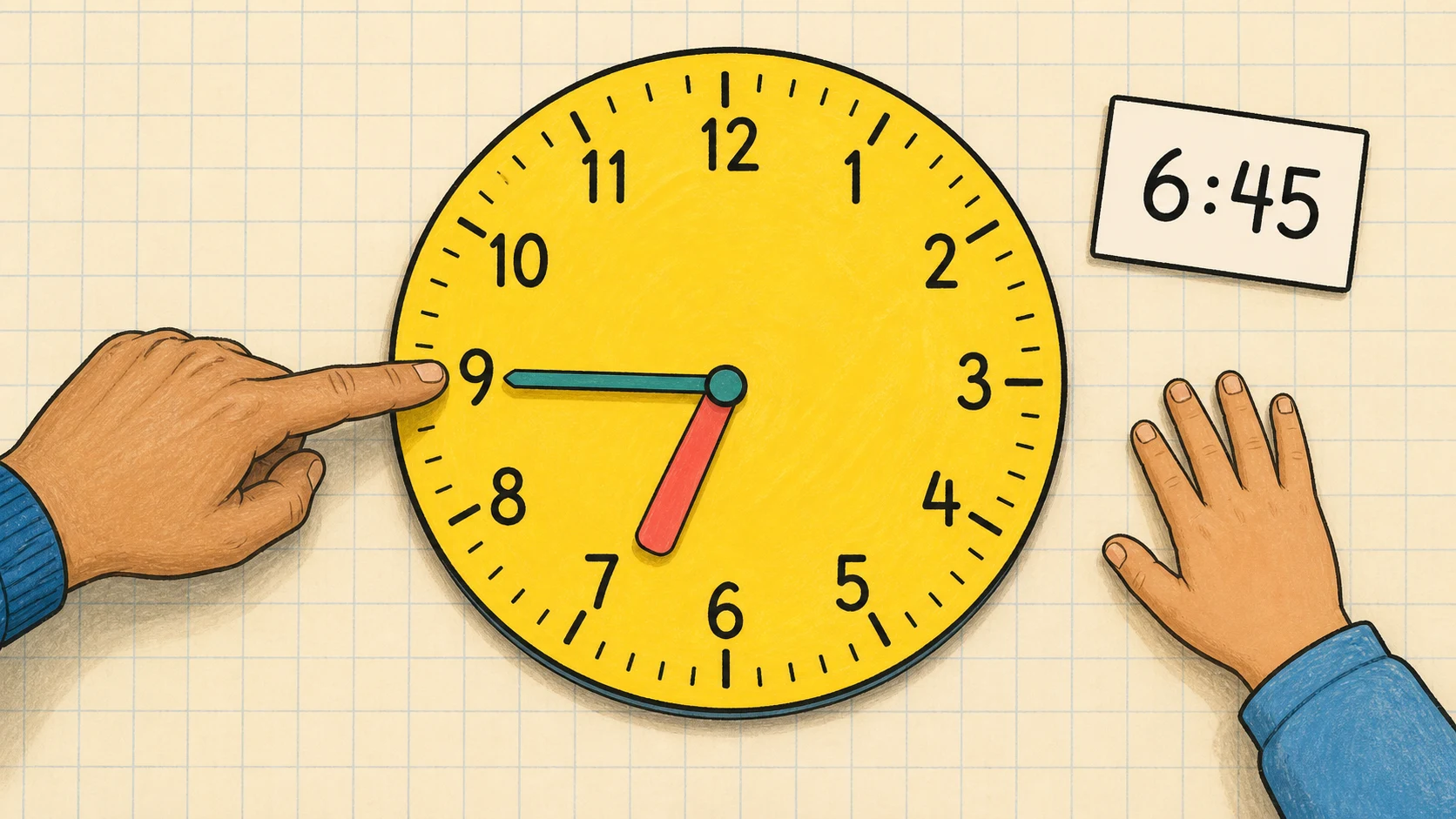
Return to the same clock routine later in the week with a new time and less prompting.
Observe methods before checking the answer key
The answer key settles what answer was intended. It does not explain the learner’s reasoning. During independent work, avoid hovering over every pencil movement. Instead, choose one or two things to observe:
- Does the learner start without a prompt?
- Which representation is selected?
- Is every object counted once?
- Are decimal points aligned?
- Is a blend read with every sound?
- Does the learner reread a sentence after adding punctuation?
- When an answer seems unreasonable, does the learner notice?
Use neutral prompts: “Show me what you did first.” “Where is that amount in your model?” “Read it again with your punctuation.” “What could you check?”
Do not interpret a single page as proof of mastery, a learning difficulty, carelessness, or lack of motivation. Performance can change with directions, language load, fatigue, unfamiliar formatting, or adult prompting. Record what occurred and test a small alternative.
Turn errors into a next teaching decision
Classify the error before assigning more practice.
A representation error
The learner cannot connect the written symbols to a quantity, shape property, sound sequence, or sentence structure. Return briefly to counters, tiles, a clock, a number line, letter tiles, or oral rehearsal.
Next action: model one item with the representation, then ask the learner to solve one parallel item.
A procedure error
The learner understands the situation but applies a step inconsistently—for example, failing to align decimal points.
Next action: compare one correct and one incorrect setup, have the learner identify the consequential difference, and redo one problem.
A language or direction error
The learner can perform the target when the adult restates the direction but not when reading it independently.
Next action: read the direction aloud while leaving the mathematical or phonics demand unchanged. Record that the access support changed.
A retrieval error
The learner previously used a strategy but cannot recall it after a gap.
Next action: give one concise cue, complete two items, and revisit the skill later rather than adding a long same-day set.
A likely slip
The learner explains the method correctly, notices the discrepancy, and fixes it independently.
Next action: record the self-correction and continue. Do not build an entire lesson around one slip.
Feedback should identify a decision: “You touched each button once, so your last number named the whole set.” Or: “Your decimal points are aligned; now each hundredth is subtracted from hundredths.” Avoid vague praise and avoid writing the correct answer before the learner has a chance to reconsider.
For a more formal evidence-gathering context, the formative assessment worksheets guide can help distinguish a planned check from casual summer maintenance.
Keep a record small enough to use
A one-line record after each session is sufficient:
| Date | Target | Task sampled | What happened | Support used | Next action |
|---|---|---|---|---|---|
| June 12 | Count scattered objects to 10 | 2 oral sets, 3 sheet items | Counted 8 once each; double-counted in set of 10 | Moved counted buttons to cup | Retry 9 scattered objects Friday |
| June 14 | Read initial blends | 5 words, 1 sentence | Read clap; omitted /t/ in stop |
Finger-tapped four sounds | Start next time with stop, then new st word |
| June 17 | Subtract decimals | 2 problems | Answer reasonable after aligning decimals | Place-value chart for first item | One no-chart retrieval item Wednesday |
Record the smallest useful unit: what the learner did, what support changed, and what happens next. Do not convert the log into grades or personality labels. After three brief encounters, make one of four decisions:
- Continue: The same error persists, but the learner responds to the current support.
- Reduce support: The method is accurate and explainable across more than one occasion.
- Vary the task: The skill works in one format but has not appeared in another.
- Pause and consult: The work repeatedly produces distress, or the family lacks the instructional context needed to choose a responsible next step.
Reuse pages without repeating the same experience
A completed worksheet can support several short review loops:
- Cover the answers and solve three selected items orally.
- Ask the learner to choose one incorrect answer and explain the repair.
- Cut apart matching items for a sort.
- Copy one item onto a whiteboard and change one number, word, or shape.
- Ask the learner to create a parallel example and provide its answer.
- Use the blank back for a model, sentence, or representation.
- Return to one item after several days without displaying the prior work.
Reuse should introduce retrieval or a meaningful variation. Recopying all 20 answers is not a new learning event.
When a learner needs fresh numbers but the same structure, use the free deterministic worksheet generators to create a controlled follow-up. Keep most task features stable so you can see whether the method carries to new content.
Know when a worksheet is the wrong tool
Do not use a worksheet when the target is better observed through speaking, moving, manipulating, reading connected text, conducting an investigation, or creating an extended piece.
A worksheet is the wrong immediate tool when:
- a three- or four-year-old needs to touch and count actual objects;
- the learner needs oral sound discrimination before matching letters;
- a geometry idea depends on building, rotating, or measuring shapes;
- reading practice requires connected text and discussion;
- writing practice requires planning, composing, revising, and an audience;
- the learner can calculate but does not understand a word problem’s situation;
- frustration is escalating and another page would only repeat the same breakdown;
- the family is trying to use worksheets to determine a diagnosis or make a high-stakes placement decision.
Replace the page with an activity that preserves the target. Count shells instead of writing numerals; build CVC words with tiles; compare the perimeter of two tile rectangles; read a decodable passage; write a note to a real recipient; act out a subtraction story. Return to a few printed items later only if they now serve a clear checking purpose.
A summer routine has done its job when the adult can name the selected skill, the learner can show a workable method, and the record points to one modest next encounter. Start today by opening the full worksheet library, choosing one previously taught skill, and printing only enough material for the first two short review sessions.
Put it into practice
Use the guide with a real printable
Move from explanation to a short, observable practice task. Check the first item together, then adjust the next session from the learner's actual work.
Open the first free worksheetExplore a neighboring collection
Choose by a different teaching need
After-School Worksheets With Answer Keys Formative Assessment Worksheets With Answer Keys Classroom Worksheets With Answer Keys Homeschool Worksheets With Answer Keys Homework Worksheets With Answer Keys Independent Practice Worksheets With Answer Keys Intervention Worksheets With Answer Keys Morning Work Worksheets With Answer Keys