Curated collectionAnswer keys includedPrint-ready PDFs
School Readiness Worksheets With Answer Keys
Pair low-pressure print tasks with oral language, play and hands-on models without using a worksheet as an age-placement test.
Start with a real resource
Browse this worksheet collection
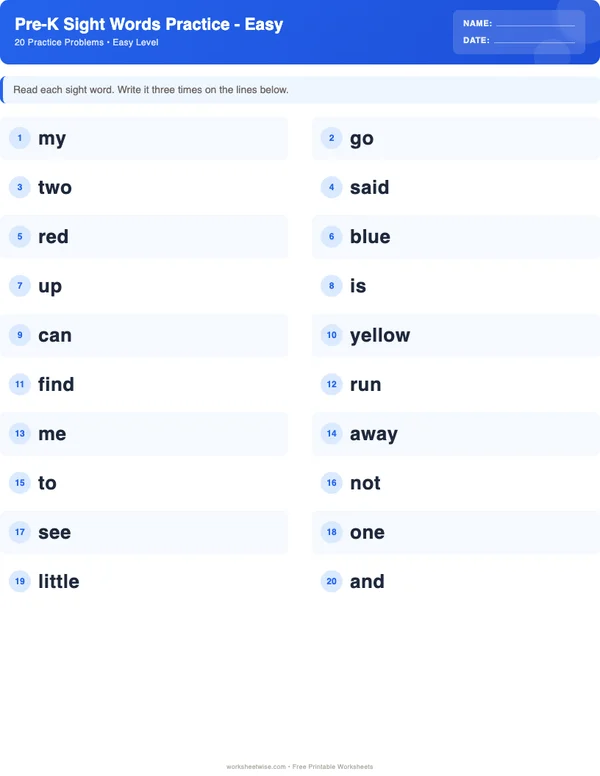
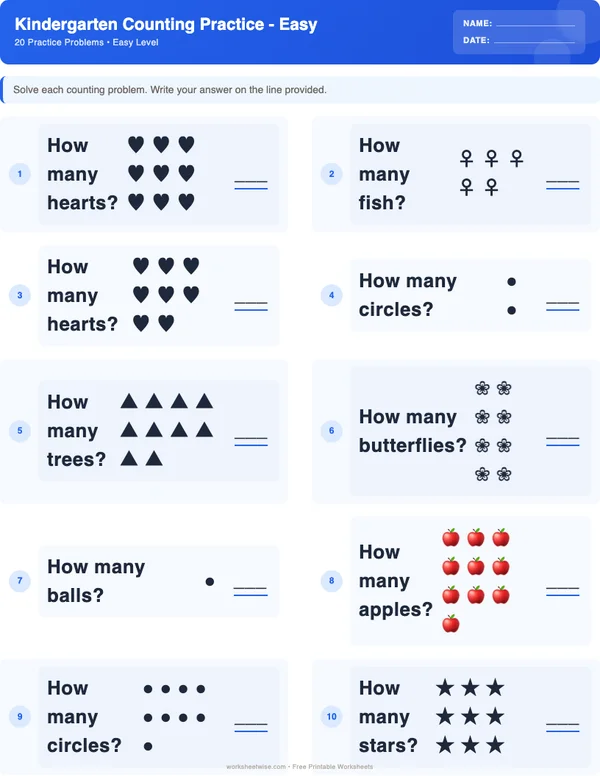
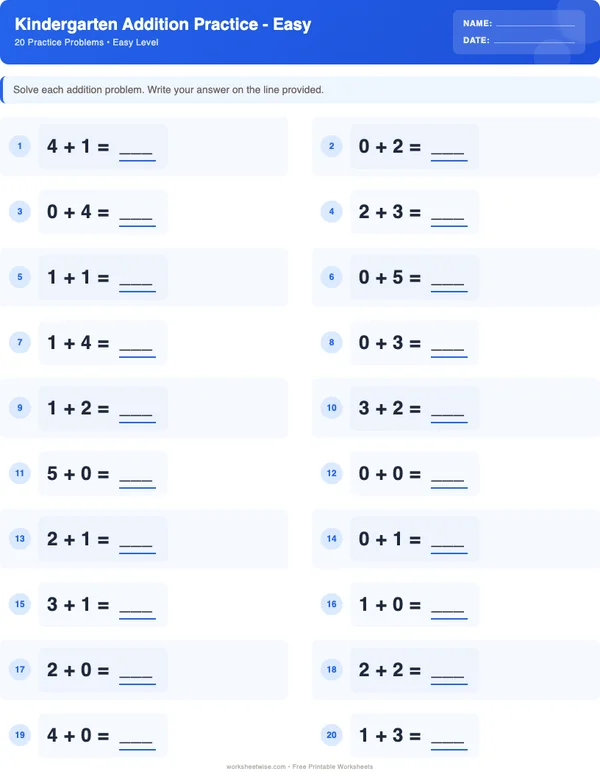
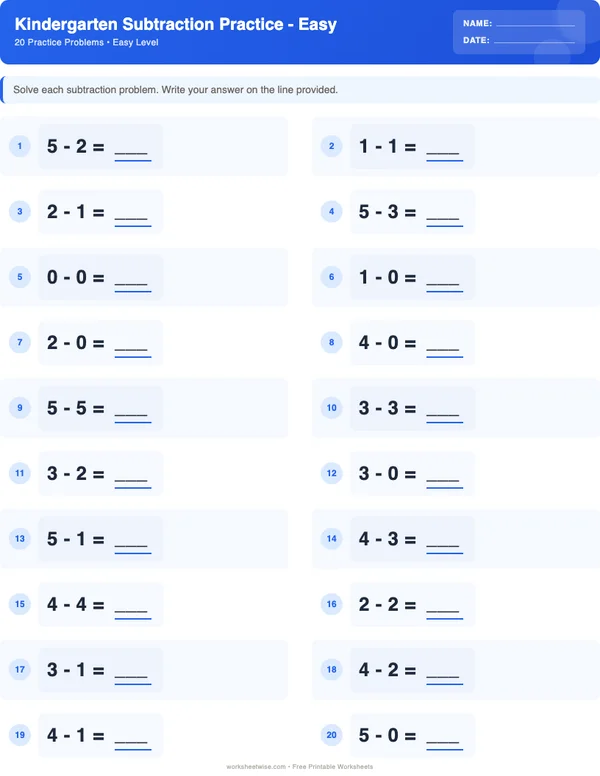
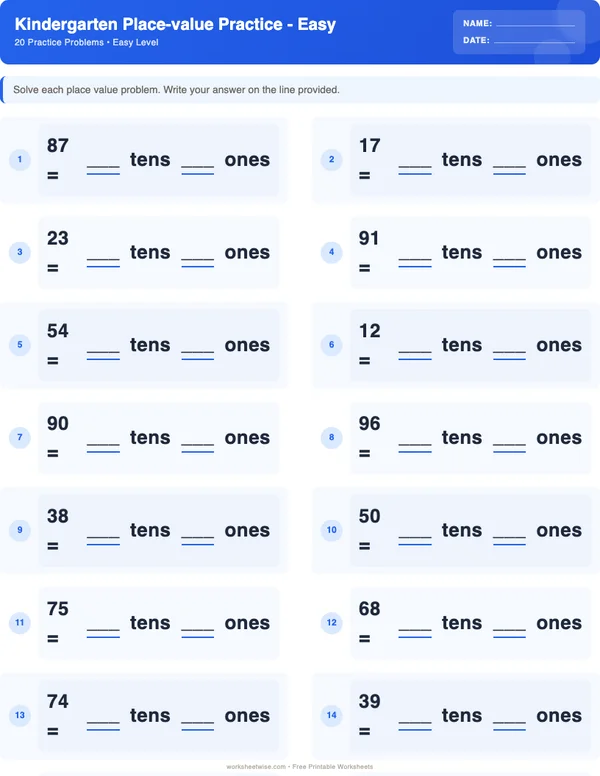
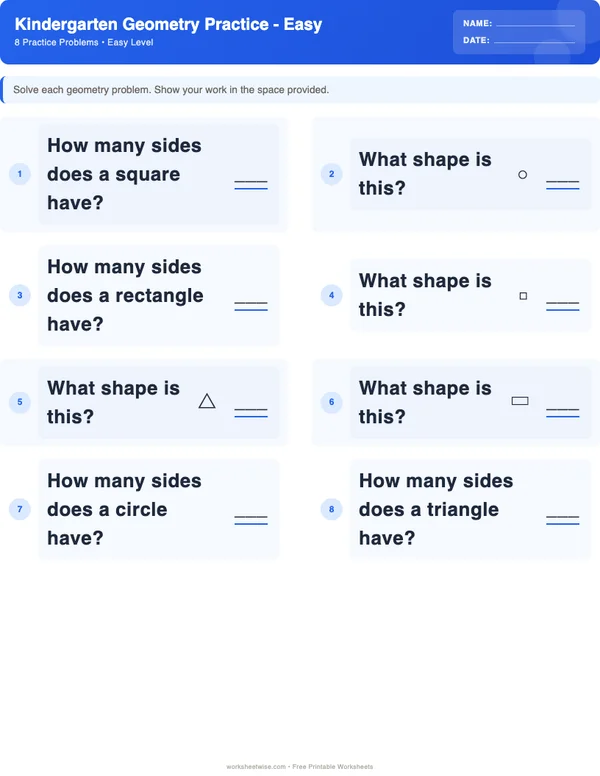
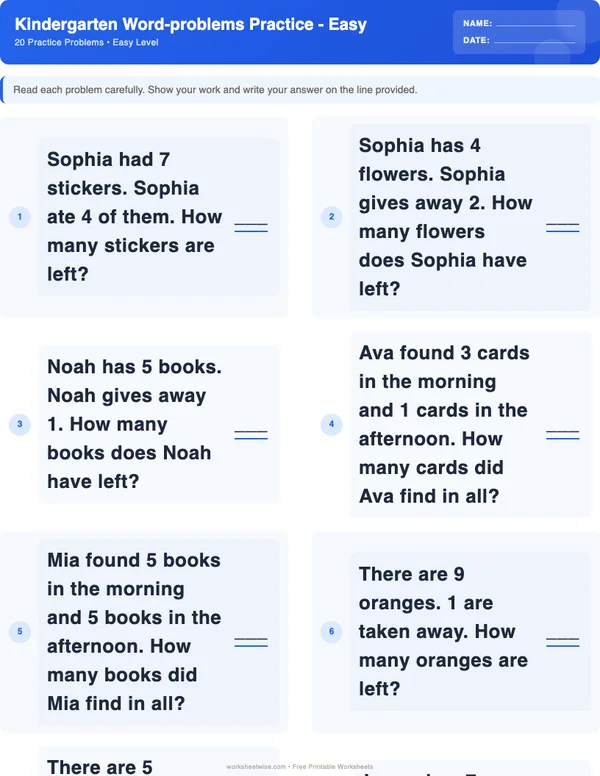
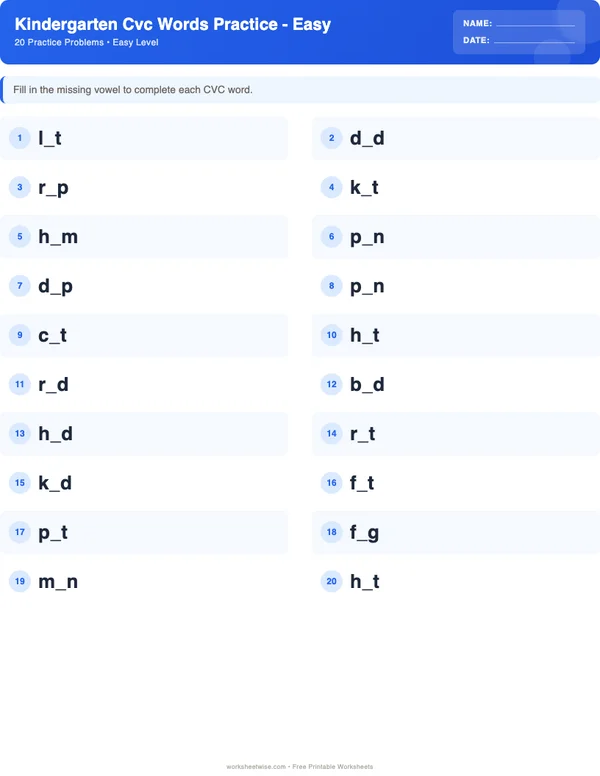
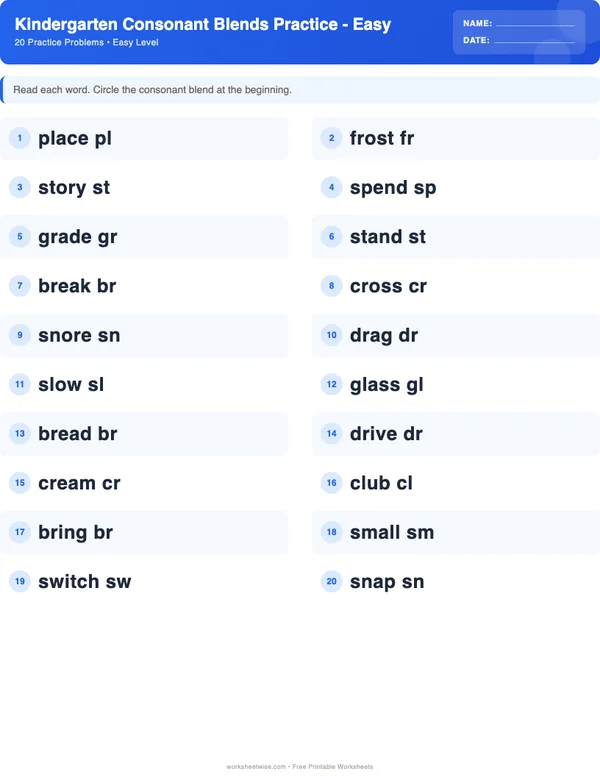
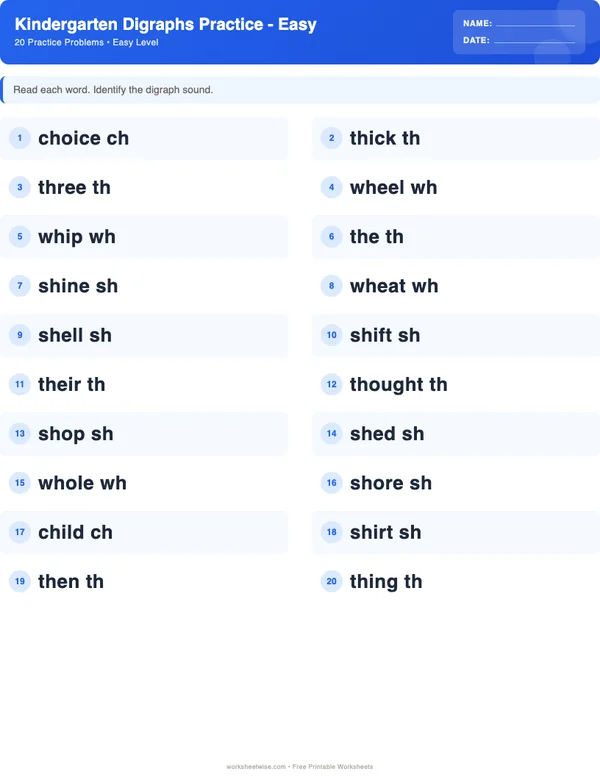
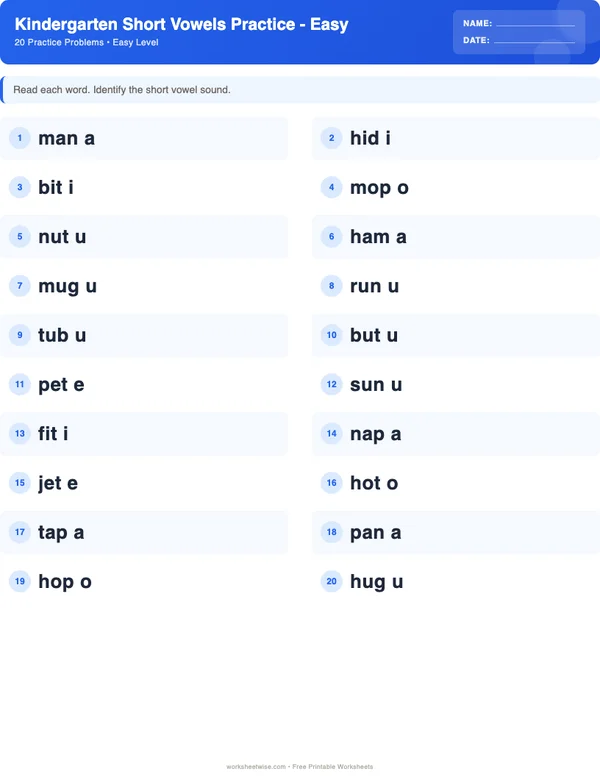
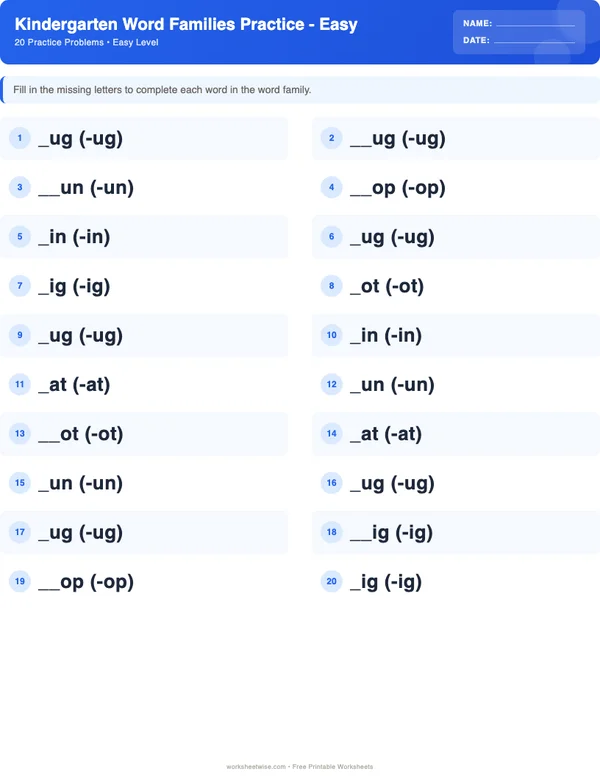
107 relevant free entry points are available. Each one includes a printable learner PDF and separate answer key.
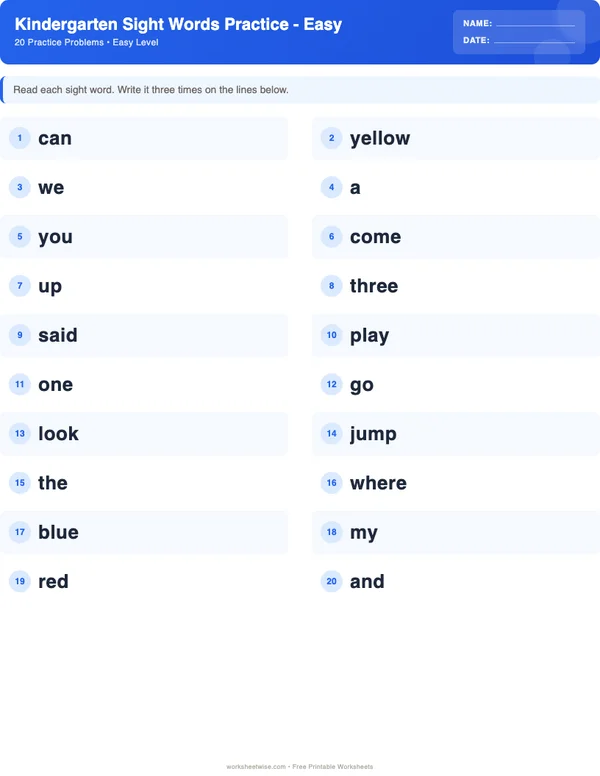
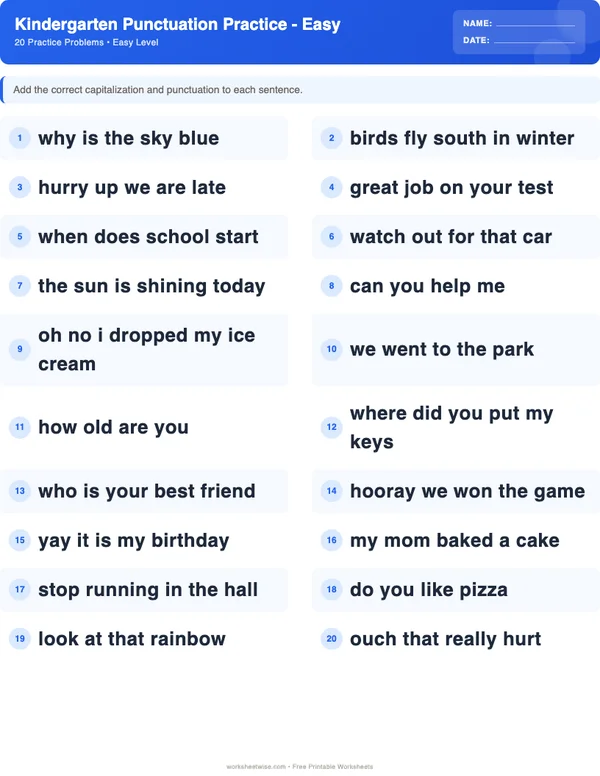
A useful practice loop
Print less. Observe more.
- Choose one skill and model the first item aloud.
- Use a short set and notice the learner’s strategy.
- Change the next task from the work you can see.
Need more than the free sheet?
Plus includes all 1926 matching catalogue variations where available, plus saved deterministic generators and the worksheet designer.
See Plus membershipExplore school readiness worksheets with answer keys by subject or level
Complete guide
How to teach and practise school readiness worksheets
3,404 words Updated 6 instructional visuals
Use school readiness worksheets as brief practice, not a readiness verdict
School readiness worksheets work best as one small part of a varied routine: talk about the idea, model it with objects or movement, complete a short selection of print items together, observe the learner’s strategy, and return to play or meaningful use. The answer key checks the printed response; it does not explain the learner’s thinking or determine whether the learner is “ready for school.”
The live WorksheetWise catalogue currently includes 1,926 variants across eight grade labels, four subjects, and 23 topics, with 107 free resources. Those counts describe available practice choices, not a sequence every child should finish. Grade labels describe intended practice level, and local curriculum sequences differ.
Age should also be treated as a discovery aid rather than a placement decision. A child’s language experience, prior instruction, motor control, attention, familiarity with the format, and understanding of the specific skill can all affect a worksheet response. For ages three and four, prioritize brief adult-led oral, matching, manipulative, and movement work over desk work. If a page contains 20 problems, that is the page’s capacity—not a requirement to complete all 20 at once.
This field guide provides a complete preparation-to-reuse routine for adults supporting elementary learners. Recommendations labeled as practical choices are WorksheetWise suggestions derived from the catalogue context. Guidance attributed to an outside organization is sourced and linked; those organizations have not assessed WorksheetWise.
Choose one observable target before printing
“School readiness” is too broad to teach or observe in a single sitting. Select one target that can be seen or heard:
- Touching one object for each number word
- Blending three sounds into a CVC word
- Distinguishing two short-vowel sounds
- Matching a written numeral to a quantity
- Taking away objects to model subtraction
- Naming a shape and describing one visible attribute
- Retelling a simple math situation before choosing an operation
- Producing a complete spoken sentence before writing it
A useful target includes both the skill and the evidence. “Practice counting” is vague. “Count a scattered set of eight buttons, touching each button once and stating that the last number tells how many” gives the adult something specific to notice.
Select by task features, not by the learner’s label
The catalogue calls the representative free sheets “easy,” but difficulty should be defined through observable task features. Do not label a learner easy, developing, or advanced.
A lower-demand task may have:
- One familiar direction repeated across the page
- Small quantities that can be modeled with available objects
- Pictures beside words
- One sound or pattern contrasted at a time
- Large response spaces
- Few items visible at once
- Adult reading of directions
A higher-demand task may require:
- Switching between several directions
- Holding multiple sounds or steps in memory
- Reading unfamiliar words without picture support
- Distinguishing several similar patterns
- Writing rather than pointing or matching
- Solving without an available model
- Explaining why an answer works
The learner’s performance may change when any one of these features changes. Record that feature instead of concluding that the child “cannot do counting” or “is not ready for phonics.”
Preview every item and its answer
Before the learner sees the page:
- Solve or read each selected item yourself.
- Check the answer key against the actual prompt.
- Circle only the items needed for today’s target.
- Cover unrelated rows with blank paper.
- Gather concrete materials that represent the same idea.
- Decide what the learner may do instead of writing: point, say, sort, move, build, or dictate.
- Prepare one transfer activity away from the page.
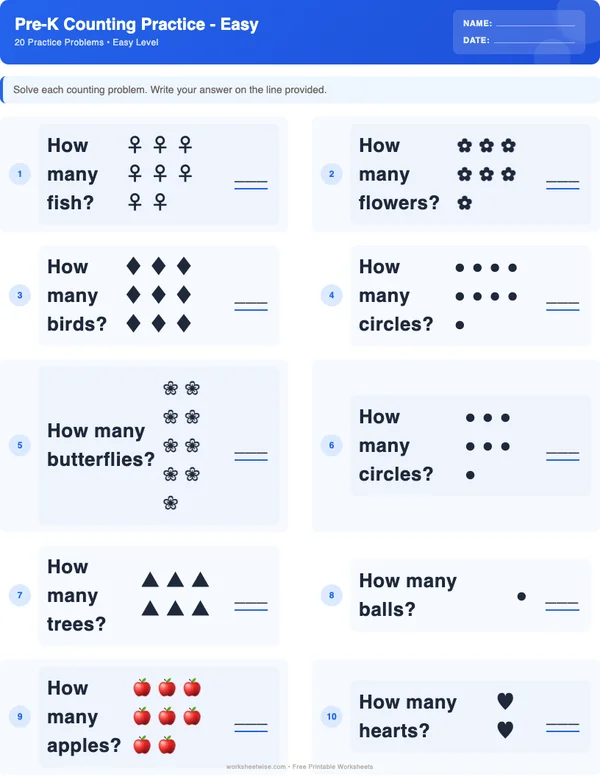
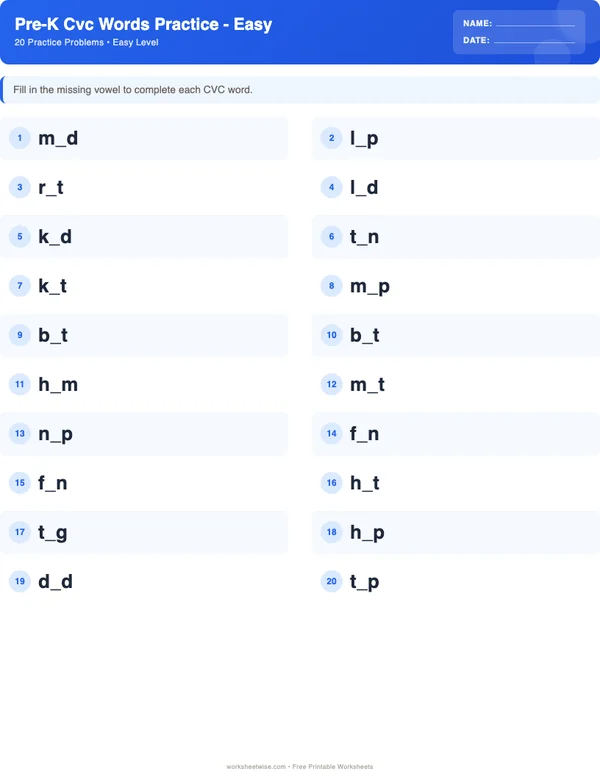
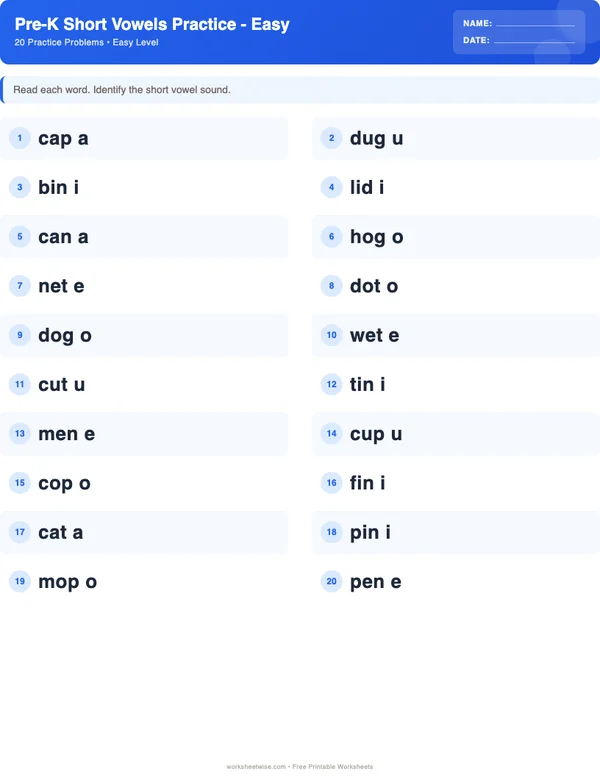
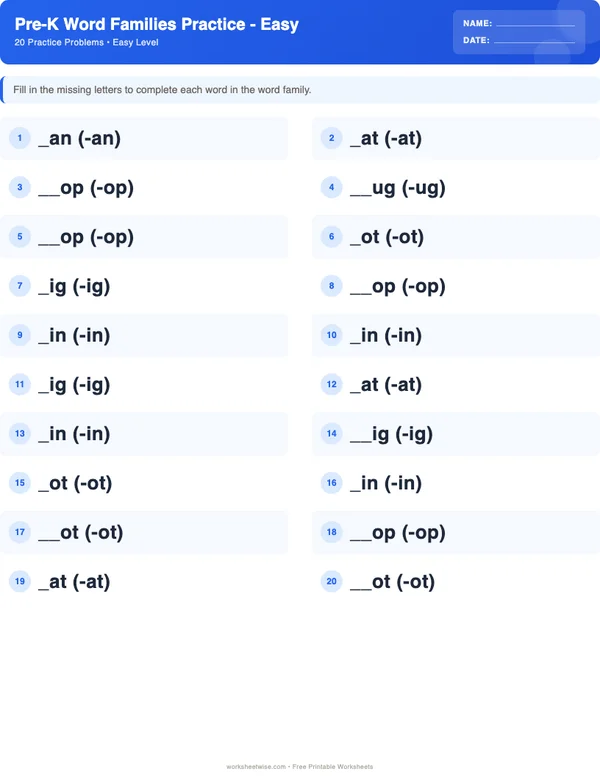
The catalogue’s representative Pre-K counting, CVC, short-vowel, word-family, and sight-word sheets each contain 20 problems. That fact supports planning—perhaps selecting three to five items—not a claim that every young learner should complete 20.
Prepare a model–picture–print bridge
For an early learner, the printed mark should come after an understandable action. The IES guide for teaching mathematics to young children recommends using developmental progressions, monitoring what children know, and helping them describe their world mathematically. It also addresses preschool, prekindergarten, and kindergarten specifically. In this context, that supports moving between real objects, spoken explanations, pictures, and symbols instead of presenting a worksheet cold.
A practical preparation tray might contain:
- Ten buttons or linking cubes for counting and simple operations
- Three connected boxes and three tokens for CVC sound work
- Letter tiles for building and changing words
- Shape pieces for sorting and composing
- A number line for movement and comparison
- A dry-erase sleeve for low-stakes revision
The IES elementary mathematics intervention guide separately recommends systematic instruction, clear mathematical language, and well-chosen concrete and semi-concrete representations. That is sourced guidance. Using a small tray beside a WorksheetWise page is a practical implementation suggestion, not a capability or outcome claim.
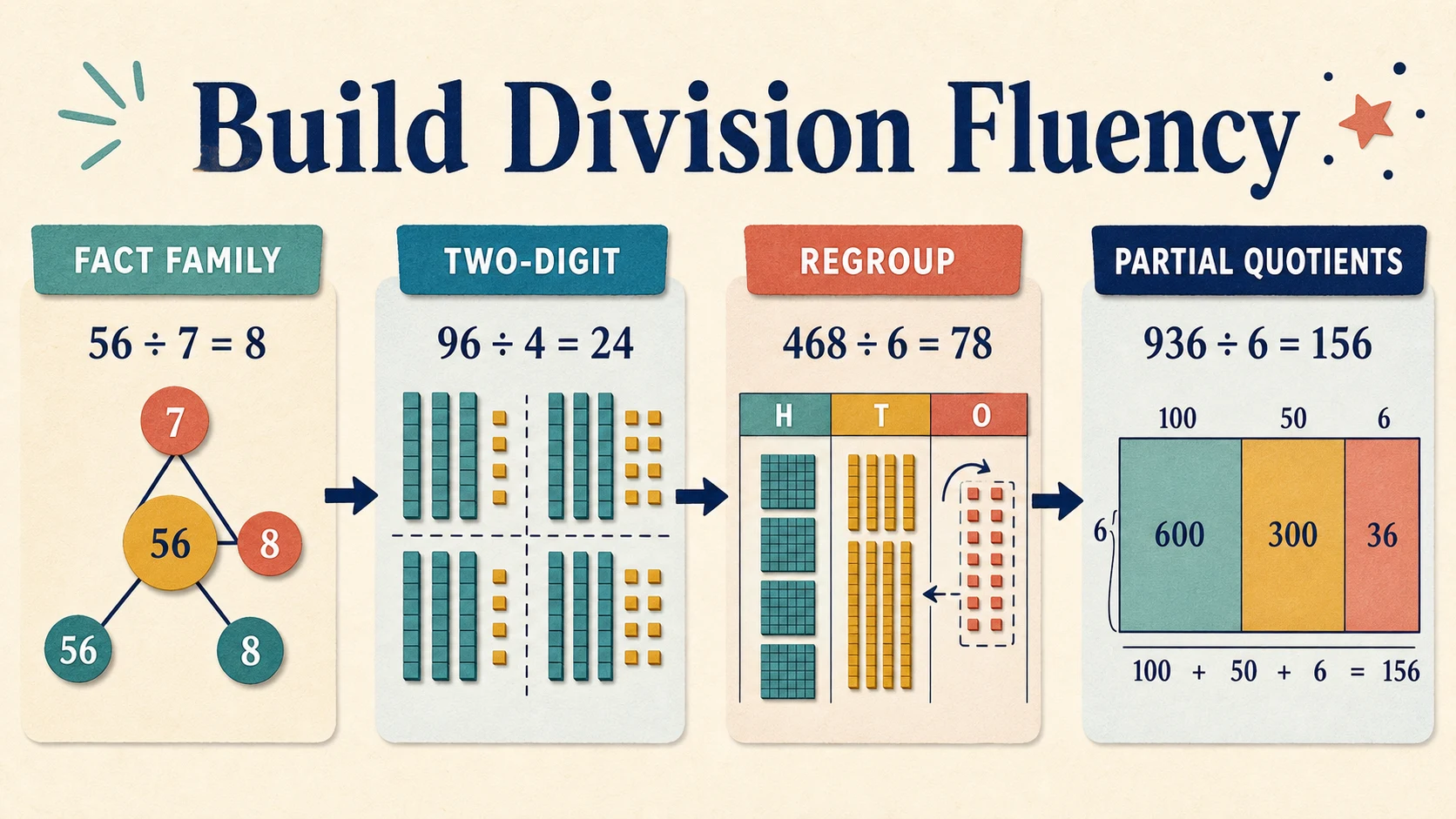
Use the progression structure—not the pictured sixth-grade content—to plan school-readiness support: adult model, shared attempt, then a brief independent response only if the learner is ready to try it.
Launch in under three minutes
A launch should remove uncertainty without solving the whole page for the learner.
Name the purpose in child-friendly language
Say what the learner will do, not what the activity supposedly proves:
- “We’re going to see how you keep track when you count.”
- “We’re listening for the middle sound.”
- “We’re going to build a word, read it, and change one letter.”
- “We’ll act out the story before choosing a number sentence.”
Avoid “Let’s see if you’re ready for kindergarten” or “This should be easy for you.” Both add pressure and make an ordinary practice response feel like a judgment.
Demonstrate one complete cycle
Model one item using the same sequence the learner will use:
- Hear or read the direction.
- Represent the idea with objects, speech, or movement.
- Explain the decision.
- Mark the answer.
- Check whether the mark matches the model.
Then let the learner try a new item. Do not reuse the modeled answer as the supposedly independent check.
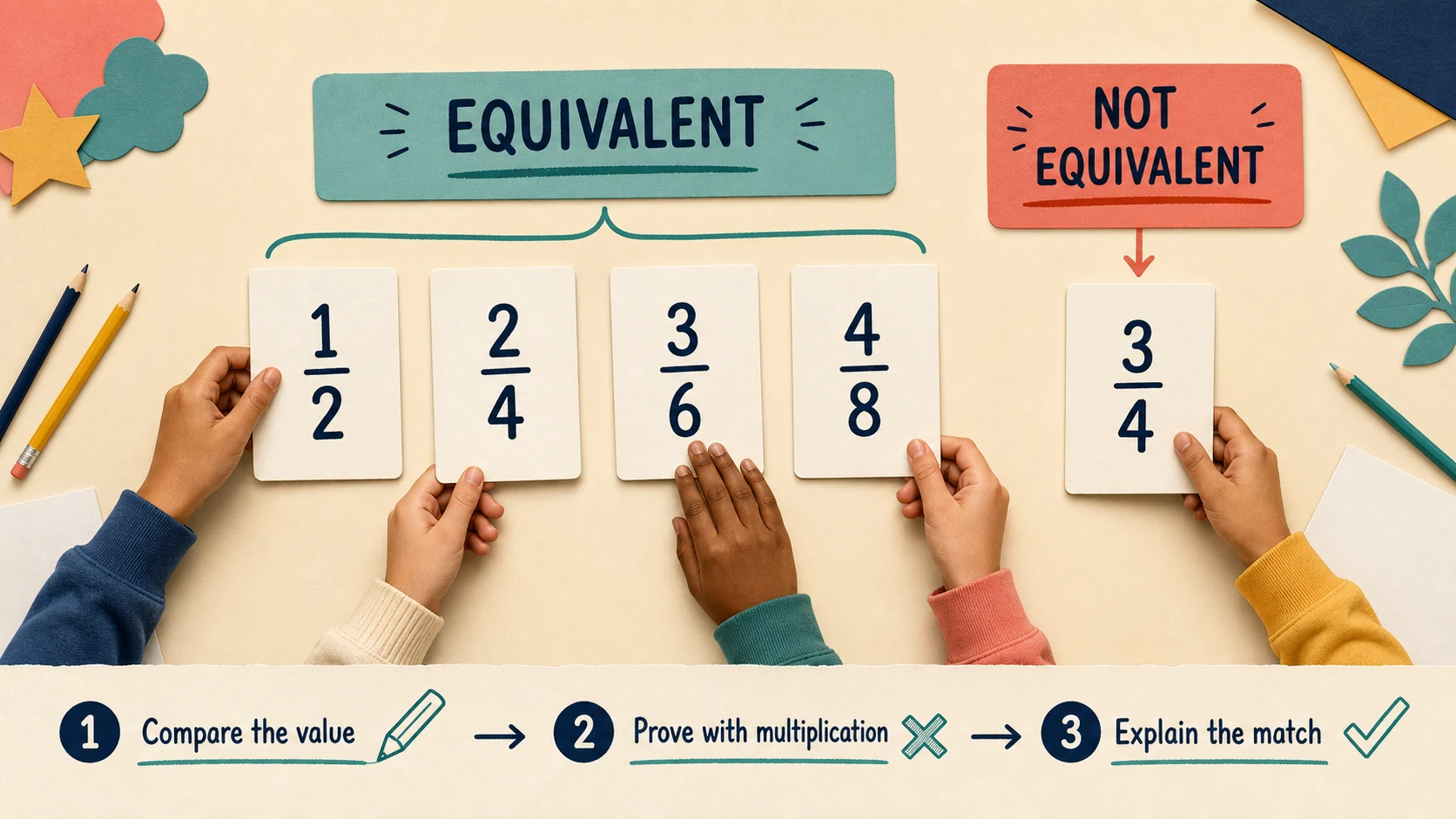
Although the visual names sixth-grade fractions, its short-cycle organization clarifies the routine here: orient, model, attempt, discuss, and stop before print practice becomes endurance work.
For a three- or four-year-old, the print portion may be only one match or one mark after several oral or hands-on turns. A child who sorts five objects correctly and points to one matching picture has participated in worthwhile practice even if no row is completed.
Run a repeatable across-subject routine
Use the same basic rhythm so the format becomes familiar while the subject matter changes.
Step 1: Talk and retrieve
Spend about one minute recalling the target orally.
For counting: “What do we do so we don’t count a button twice?”
For phonics: “What sound do you hear in the middle of map?”
For language: “Tell me a complete sentence about this picture.”
For geometry: “How could we sort these shapes?”
Accept gestures, demonstrations, home-language responses, or dictated English when those reveal the target knowledge. Do not confuse limited writing with limited understanding.
Step 2: Build or move
Represent the target away from the page. Have the learner touch counters, step on a floor number line, push tokens into sound boxes, move letter tiles, act out a story, or sort shape pieces.
Step 3: Complete a small print set
Start with three items or one short row. Add more only when the learner remains engaged and the extra items will reveal something useful. Repetition can consolidate a strategy, but completing a page for its own sake is not the objective.
Step 4: Explain one answer
Ask a prompt that exposes the decision:
- “How did you keep track?”
- “Which sound helped you choose?”
- “Show me where the story changes.”
- “What makes this shape belong in that group?”
- “Can you prove the total with the objects?”
Step 5: Check, respond, and transfer
Use the answer key after the learner has represented and explained the item. Correct only the target issue. Then test the idea in a fresh form: a new set of objects, a new word using the same sound pattern, or a spoken story with different quantities.
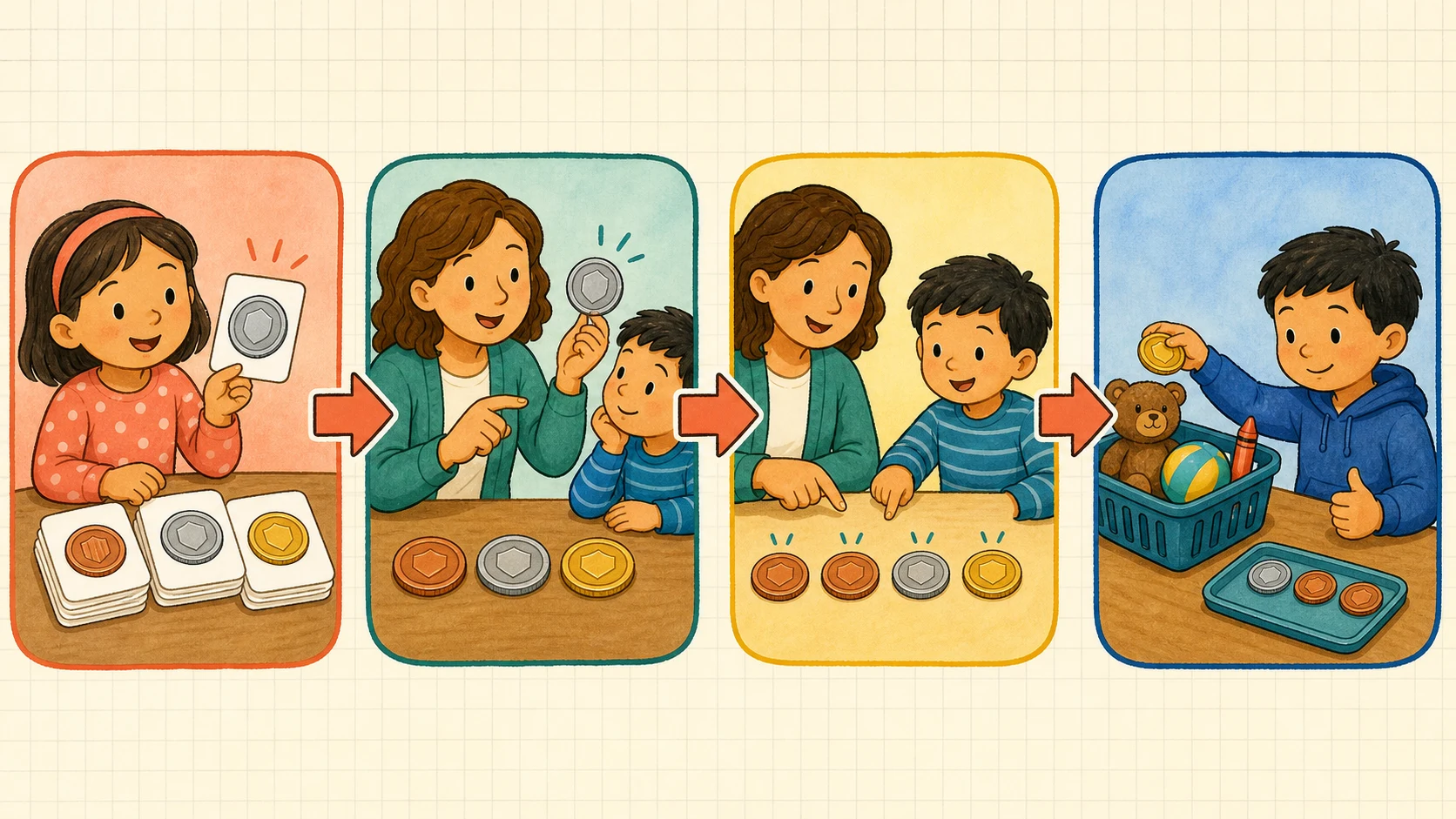
The first-grade money visual reinforces the transferable lesson shape: a short, repeatable routine can combine oral reasoning, a concrete model, print practice, and a final check.
Four checked examples for readiness practice
These examples use only skills and teaching contexts present in the verified catalogue. Each answer and instructional sequence has been checked.
Example 1: Pre-K one-to-one counting
Use eight buttons placed in a scattered arrangement. Ask, “How many buttons are there?” The learner moves each button into a cup while saying one number word per button:
1, 2, 3, 4, 5, 6, 7, 8.
The checked total is 8 because eight distinct buttons were moved and each received exactly one number word. Ask, “How many altogether?” If the learner says 8 without recounting, note that the final number word was used as the total. Then select one comparable picture-counting item from the Pre-K Counting guide and free sheet.
This example belongs here because the catalogue describes Pre-K counting as work toward 20 with concrete objects and emphasizes one-to-one correspondence. Scattering the set also helps distinguish purposeful tracking from simply reciting numbers along a neat row. It is still a practice observation, not an age-placement test.
If the learner recounts a button, reduce the set to five and arrange a “counted” side and an “uncounted” side. Preserve the target—one-to-one correspondence—rather than substituting numeral tracing, which would test a different skill.
Example 2: Pre-K or kindergarten CVC blending
Place three tokens in three sound boxes. Say map slowly: /m/ /ă/ /p/. The learner pushes one token for each phoneme, sweeps a finger under the boxes, and says map. Then provide the letters m, a, and p to build the word.
The checked mapping is:
- m represents /m/
- a represents the short-a sound /ă/
- p represents /p/
- Blended in order, the word is map
Change m to t. The resulting word is tap, not map, because the initial phoneme changed while -ap remained. This example belongs here because CVC words, sound boxes, blending, picture matching, and word building are all present in the catalogue description. The Pre-K CVC Words guide and free sheet is a suitable entry point when the learner can first blend orally with adult support.
The IES foundational reading guide recommends developing awareness of speech-sound segments and their links to letters, teaching decoding and word analysis, and providing connected-text reading. It does not suggest that isolated worksheet success alone establishes reading proficiency.
Example 3: Discriminating short e and short i
Say the pair pen and pin without showing the spelling. Ask the learner to repeat each word and identify whether the middle sound matches the anchor word egg or itch. Then reveal the spellings and sort them:
- pen → short e
- pin → short i
- bed → short e
- sit → short i
All four classifications have been checked against their middle vowel sounds in standard US English. This example belongs here because the verified short-vowel catalogue guidance identifies short e and short i as easily confused and includes picture sorting, word reading, spelling, and fill-in-the-middle work.
If the learner sorts correctly by ear but writes the wrong letter, record successful auditory discrimination and an uncertain sound–letter link. If the learner cannot hear the contrast, remove writing and return to spoken minimal pairs, mouth observation, and picture sorting. The Pre-K Short Vowels guide and free sheet can follow once the oral contrast is reasonably clear.
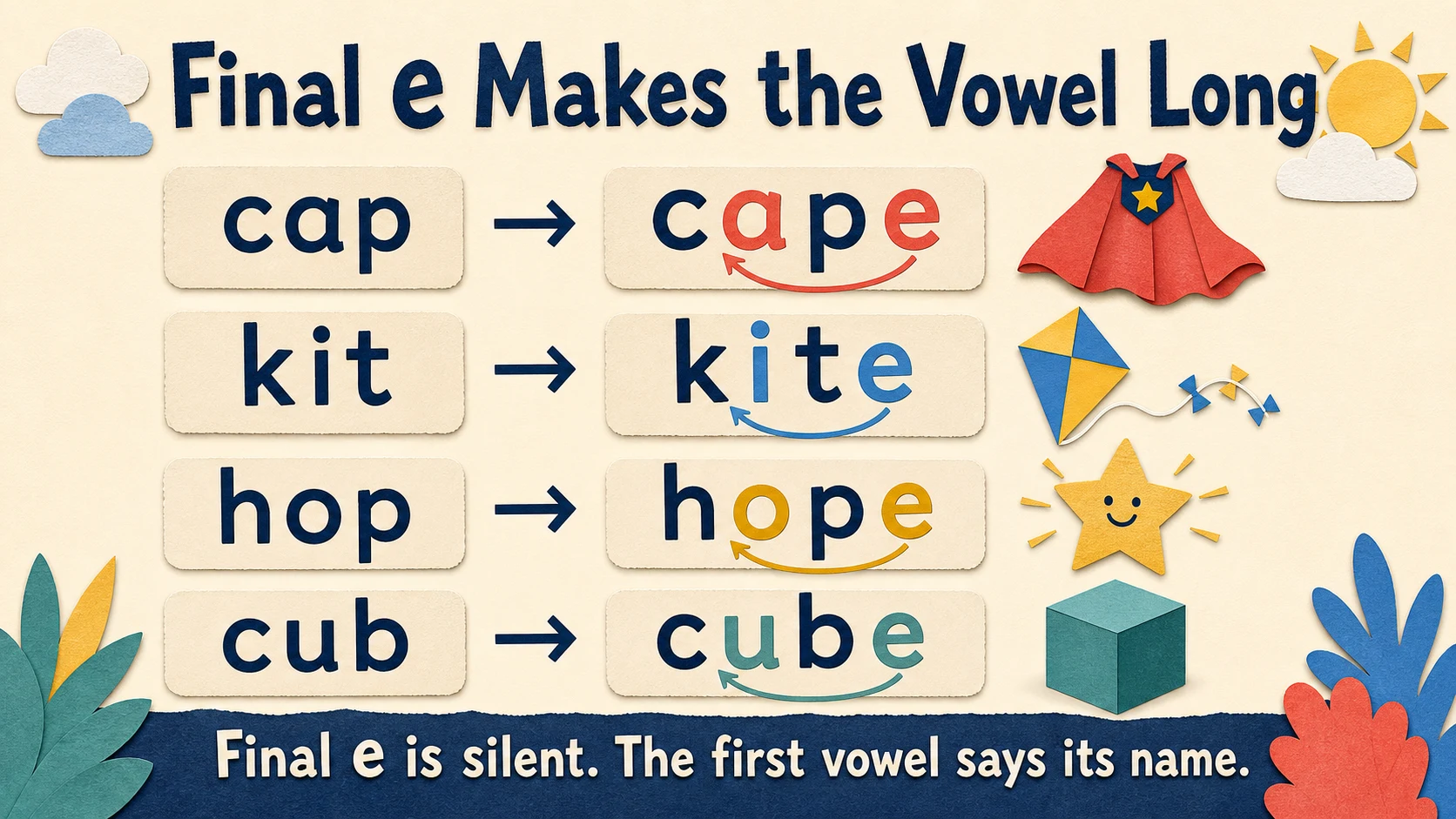
The long-vowel map shows why adults should locate the exact component under observation; for school readiness, hearing a contrast, linking it to a letter, reading it, and spelling it are related but separable actions.
Example 4: Kindergarten subtraction as an acted story
Place five toy animals on the table. Say, “Five animals were at the pond. Two walked away. How many remain?” The learner moves two away and counts the remaining three.
The checked relationship is 5 − 2 = 3. Addition confirms it: 3 + 2 = 5.
This belongs here because the catalogue describes kindergarten subtraction as beginning with taking away objects within 5 and 10 and emphasizes the connection between subtraction and addition. If the learner answers 7, ask for an enactment rather than saying “You added.” The learner may have combined every number heard, misunderstood walked away, or lost track while moving pieces.
Preserve subtraction as the target by reading the story aloud and accepting a pointing response. Requiring independent reading would add a literacy demand that could obscure the mathematics.
Observe strategies, not just marks
An answer key identifies whether the final response matches the expected answer. Your observation should capture how the response was produced.
Use a small set of codes:
- I — independent after the direction
- M — completed with a concrete model
- V — completed after a verbal prompt
- D — completed after another demonstration
- S — stopped because of fatigue, distress, or loss of engagement
Add one brief factual note: “Touched seven objects but counted one twice,” “Blended after token sweep,” or “Named circle and triangle; sorted rectangle by color rather than shape.”
Avoid interpretive labels such as lazy, careless, immature, bad at math, or not ready. One response can reflect the direction, visual layout, motor demand, vocabulary, attention at that moment, or the target concept. A pattern across varied observations is more informative than one completed page, but these records still do not provide a diagnosis.
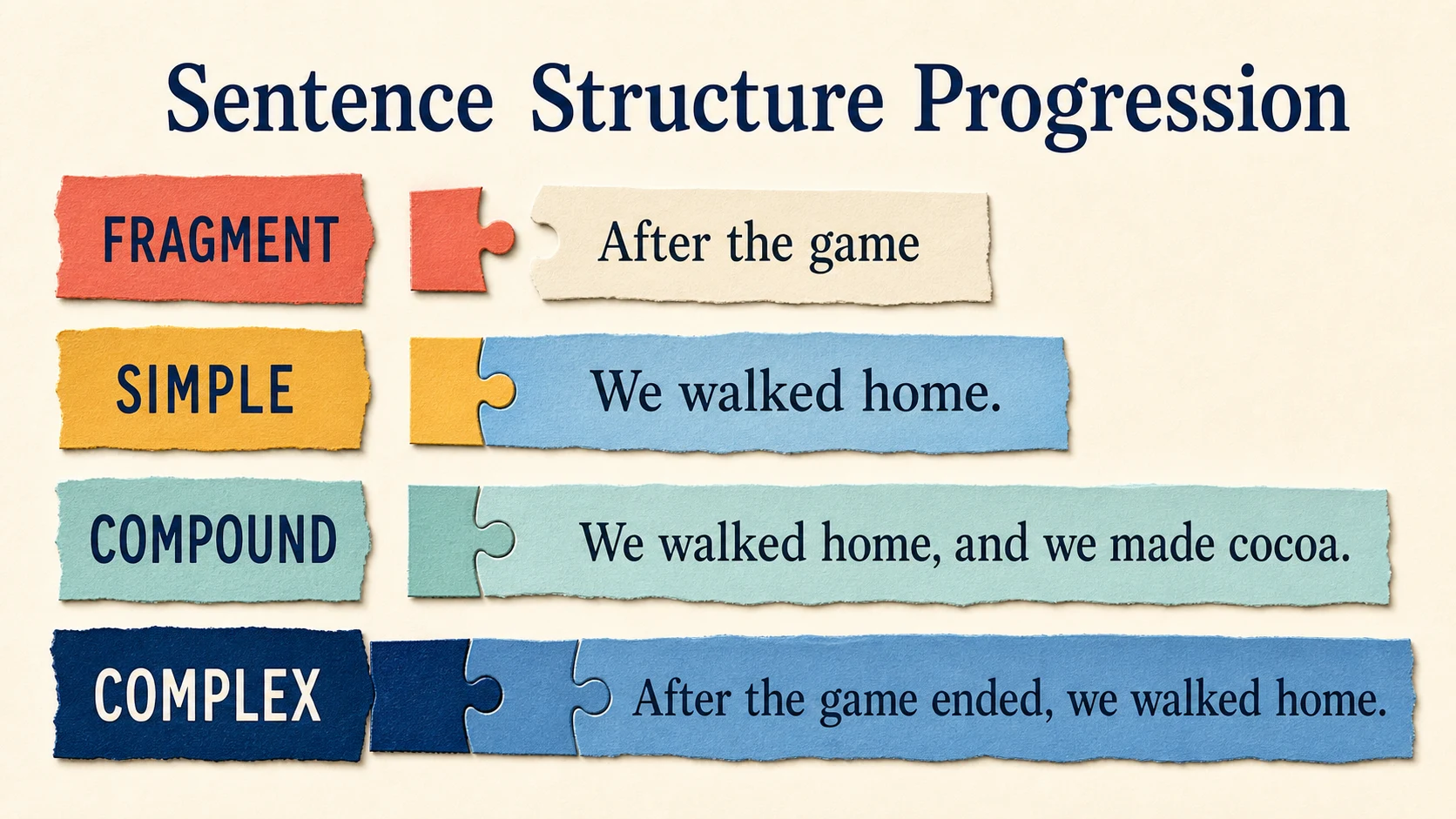
The third-grade sentence visual helps separate levels of support: record whether a readiness response followed an adult model, a prompt, or an independent attempt instead of recording only right or wrong.
Interpret errors and choose the next action
Treat an error as a decision point.
| Observed response | Plausible interpretation to check | Observable next action |
|---|---|---|
| Says numbers in order but skips objects | Number-word sequence may be stronger than one-to-one tracking | Move each counted object into a container |
| Counts correctly but selects the wrong numeral | Quantity understanding and numeral recognition may differ | Offer two numeral cards and ask the learner to match the set |
| Reads stop as sop | One sound in the blend may be dropped | Tap /s/ /t/ /o/ /p/, then blend without removing the word |
| Sorts pen with short i | The learner may not hear the contrast or may not know the letter link | Repeat an oral pen/pin contrast before showing letters |
| Solves with objects but leaves the page blank | Motor or recording demand may be obstructing the response | Let the learner point or dictate while preserving the concept |
| Gives the correct answer but cannot model it | The answer may be recalled, guessed, or understood in another way | Ask for a second representation, without retracting credit |
| Misses the final items after an accurate start | Endurance or visual load may have changed performance | Stop and retry two fresh items later |
These are hypotheses to test, not diagnoses. Change one feature at a time. If you simultaneously reread the direction, reduce the quantity, provide a model, and point to the answer, you will not know which support mattered.
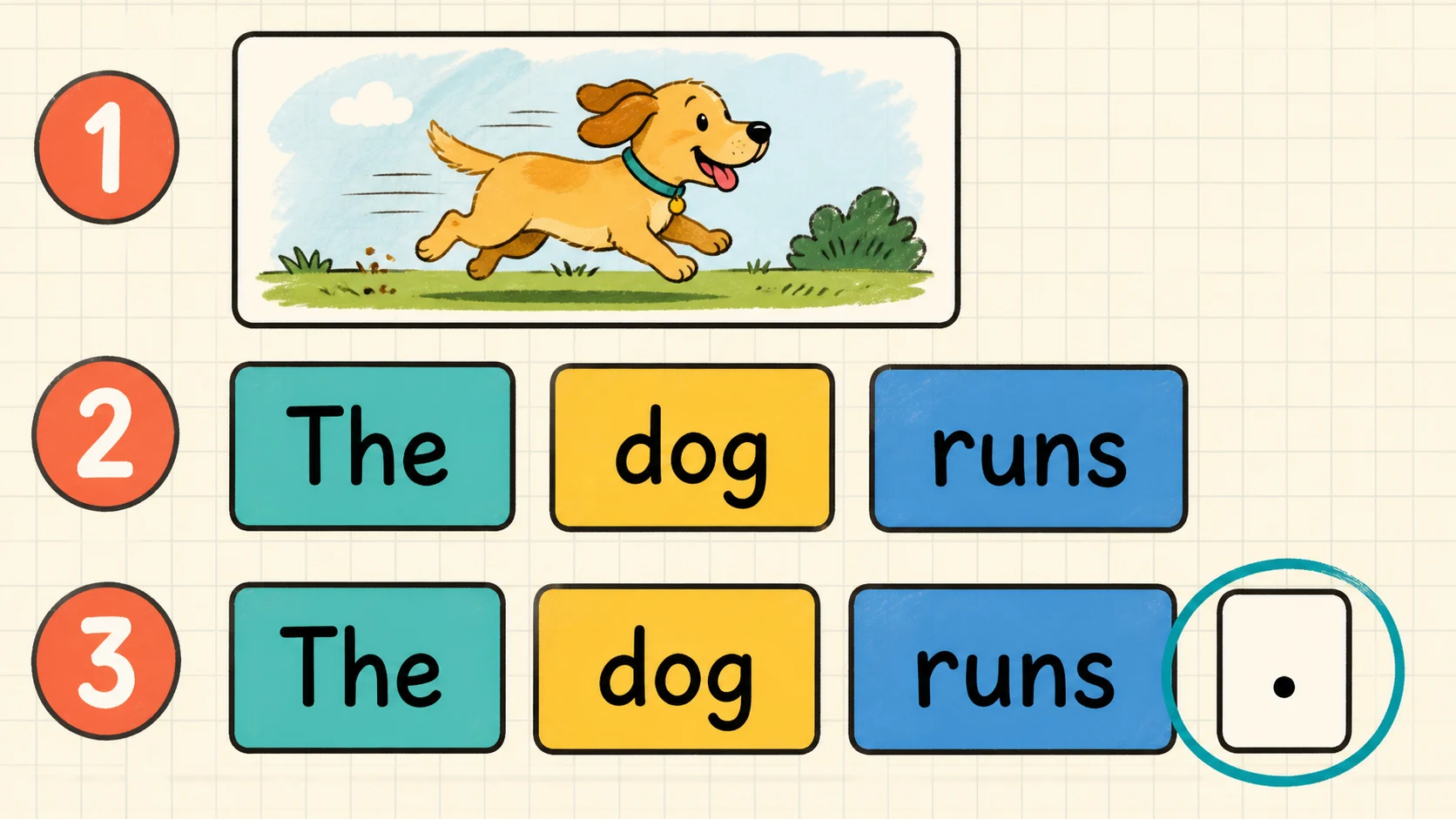
The punctuation example illustrates a central readiness principle: the written answer should be traceable to an understandable model, not treated as an isolated mark.
Give feedback that preserves thinking
Feedback should be immediate enough to connect with the attempt, but it should not replace the learner’s reasoning.
For a correct response, name the strategy: “You moved every button once, so none were skipped.” For an incorrect response, identify the mismatch without assigning a trait: “You said four, but I can still see one animal that has not been counted. Show me a way to keep track.”
Use the answer key to verify the endpoint. Then ask the learner to repair the model and update the printed answer. Avoid crossing out an entire page, displaying a score to a young child, or requiring repeated erasing for a motor error.
When a response is partly correct, preserve the successful portion. A learner who segments /m/ /ă/ /p/ correctly but writes mip has shown awareness of three phonemes and correct initial and final consonants; the next action is to contrast the medial vowel. “Wrong word” loses that instructional information.
For spoken or dictated sentences, first respond to meaning, then revisit one target convention. The IES elementary writing guide recommends daily writing time, teaching the writing process, building foundational writing skills, and creating an engaged community of writers. A readiness worksheet can supply a short convention practice, but it cannot provide the complete composing, discussion, revision, and audience experience described by that broader guidance.
Keep records small enough to use
A practical record can fit on one line:
Date | target | task features | support | evidence | next action
Example:
Aug. 30 | one-to-one count to 8 | scattered buttons + one picture item | M | moved 8 correctly; numeral match uncertain | match sets of 5–8 to two numeral choices
Do not record only “16/20.” A total hides whether errors clustered around teen numbers, short e versus short i, final blends, an unfamiliar direction, or fatigue after item 12.
Retain one marked page only when it shows something worth revisiting. Add your observation rather than expecting the paper to speak for itself. Compare the learner with their own prior attempts on the same narrowly defined target, not with an age-based verdict.
The formative assessment worksheets collection may help when you need another brief observation task. Use a new item to check transfer, not the identical page to manufacture a better score.
Reuse without turning practice into memorization
Reuse the structure while changing the surface details.
For counting, rearrange the same eight counters, change their color, or ask the learner to make a set of eight. For CVC work, keep the short vowel stable and change one consonant: cat → mat → map. Each transition is checked: cat and mat share -at; mat and map share ma- while the final phoneme changes. For subtraction, change five animals minus two into five blocks minus two and ask whether the relationship remains 5 − 2 = 3.
A dry-erase sleeve can make a page reusable, but avoid presenting the same answer order until the learner responds from memory. Reuse after a delay, mix the target with known material, and include one new transfer item.
The free deterministic worksheet generators are useful for creating a fresh instance when the original format has become familiar. Keep the target and demand stable while changing examples; otherwise, you will not know whether a different response came from learning or from a harder task.
Know when the worksheet is the wrong tool
Put the page aside when:
- The learner cannot yet understand the direction even with a concise demonstration.
- The target is primarily oral, social, physical, exploratory, or play-based.
- Pencil control is masking knowledge that can be shown by pointing or manipulating.
- The child is distressed, unusually tired, hungry, or seeking movement.
- The page combines several unintroduced skills.
- The visual layout creates more difficulty than the target concept.
- You need to observe spontaneous language, cooperative play, curiosity, persistence, or classroom routines.
- Repetition has become answer memorization.
- You are tempted to use the result as an age-placement test.
- A persistent concern requires evaluation by an appropriately qualified professional rather than another worksheet.
For ages three and four in particular, move back to oral language, matching, manipulatives, songs, stories, and movement. Count steps, sort socks, find shapes in the room, build CVC words with tiles after oral sound play, or retell a picture sequence. These are not rewards after the “real work.” They are often the more suitable form of the work.
Make tomorrow’s decision from one short session
For the next session, choose one target—preferably one-to-one counting if you are unsure where to begin—and open the Pre-K Counting guide and free sheet. Preview three items, gather eight movable objects, model one count, observe one independent or supported attempt, and record the exact next action. Stop there. A short, interpretable observation paired with talk and objects is more useful for planning than a completed page treated as proof of school readiness.
Put it into practice
Use the guide with a real printable
Move from explanation to a short, observable practice task. Check the first item together, then adjust the next session from the learner's actual work.
Open the first free worksheetExplore a neighboring collection
Choose by a different teaching need
After-School Worksheets With Answer Keys Formative Assessment Worksheets With Answer Keys Classroom Worksheets With Answer Keys Homeschool Worksheets With Answer Keys Homework Worksheets With Answer Keys Independent Practice Worksheets With Answer Keys Intervention Worksheets With Answer Keys Morning Work Worksheets With Answer Keys