Curated collectionAnswer keys includedPrint-ready PDFs
Homework Phonics Worksheets
Select short, already-taught practice that a learner can understand at home and convert the returned work into next-day feedback.
Start with a real resource
Browse this worksheet collection
22 relevant free entry points are available. Each one includes a printable learner PDF and separate answer key.
A useful practice loop
Print less. Observe more.
- Choose one skill and model the first item aloud.
- Use a short set and notice the learner’s strategy.
- Change the next task from the work you can see.
Need more than the free sheet?
Plus includes all 396 matching catalogue variations where available, plus saved deterministic generators and the worksheet designer.
See Plus membershipComplete guide
How to teach and practise homework phonics worksheets
3,431 words Updated 6 instructional visuals
Choose homework that rehearses one taught phonics move
A useful phonics homework sheet is short, familiar, and easy to explain without turning the adult at home into the next day’s teacher. Select one sound-spelling relationship that has already been modeled in class, choose a response format the learner knows, and ask the adult to return the sheet even when answers are incomplete. The teacher can then use the errors—not merely the score—to decide what happens next.
For example, after teaching continuous blending with short-a CVC words, a suitable assignment might ask a learner to read and complete six items such as cat, map, and sad. A mixed page containing short vowels, digraphs, silent-e words, and unfamiliar directions would be a poor match, even if its grade label looked right.
WorksheetWise’s live phonics catalogue currently contains 396 variants across four grade labels and seven topics, including 22 free resources. Those figures describe available choices, not a sequence that every learner should complete. Grade labels describe the intended practice level; local curriculum sequences differ. Age is also a discovery aid rather than a placement decision. The deciding question is: What phonics action has this learner already practiced with guidance and can now attempt at home?
The IES foundational reading practice guide recommends explicit work connecting sounds with letters, decoding words, and reading connected text. It did not evaluate WorksheetWise. Its guidance supports the central homework decision here: send practice that reinforces a clearly taught relationship between spoken sounds and print, then inspect the learner’s process on return.
Match the sheet to the taught skill, not the broad topic name
“Phonics” is too broad to define one night’s work. CVC words, short vowels, blends, digraphs, long vowels, word families, and sight words demand different noticing and response behaviors. Before assigning a sheet, identify the exact work the learner must do.
CVC words: blend all three sounds
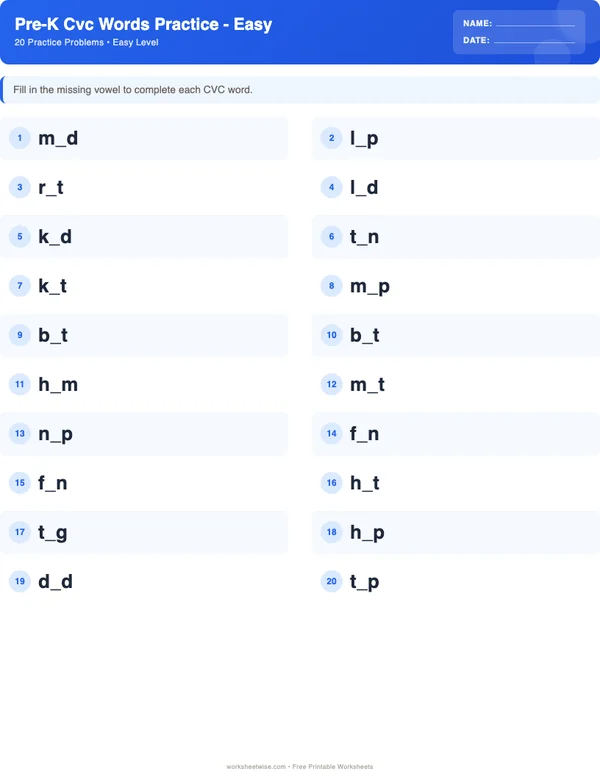
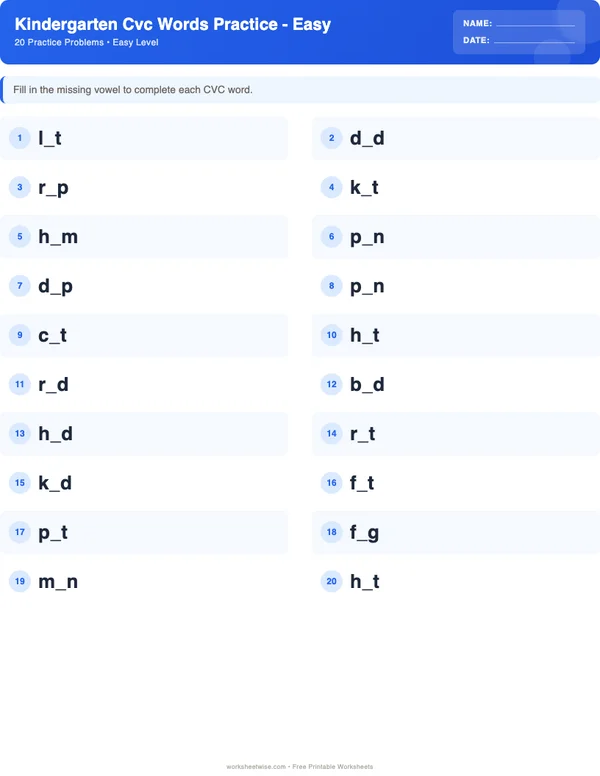
A CVC task asks the learner to coordinate three positions: initial consonant, short vowel, and final consonant. Representative catalogue sheets contain 20 problems and may use word building, picture matching, blanks, or reading activities. For homework, however, 20 printed items do not have to become 20 required responses. Circle six to ten items if that amount better preserves accurate practice.
Consider the word map. The adult points under each letter while the learner stretches /mmmăăăp/, then says map. The learner moves three counters into sound boxes and writes map. This example belongs here because it checks the defining CVC operation twice: blending letters into a spoken word and segmenting the spoken word for spelling. Merely naming the picture would not show the same skill.
A learner who reads map as mat preserved the initial consonant and vowel but changed the final sound. That is different from reading map as mop, which suggests the middle vowel needs attention. Record those differences; do not collapse both into “one wrong.”
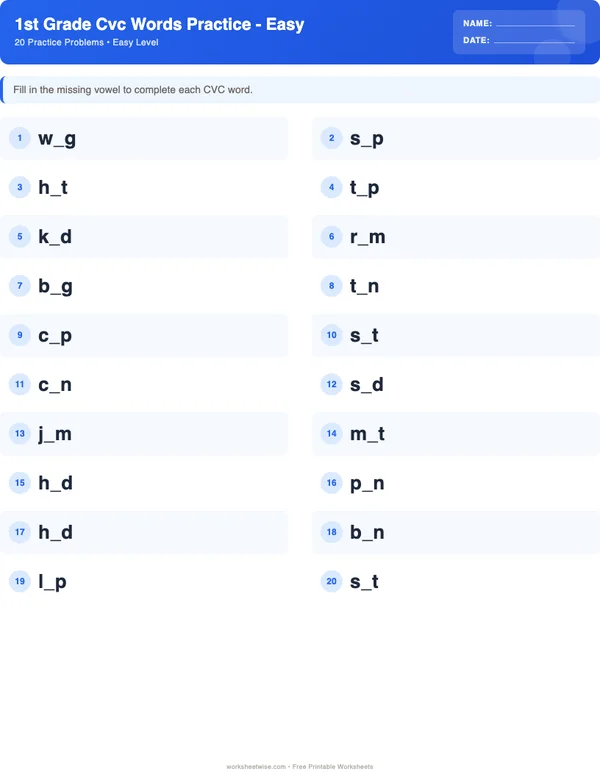
The Pre-K CVC Words guide and free sheet and Kindergarten CVC Words guide and free sheet offer separate catalogue entry points. Choose between them by inspecting word set, directions, print demands, and response type—not by assuming that a grade label determines placement.
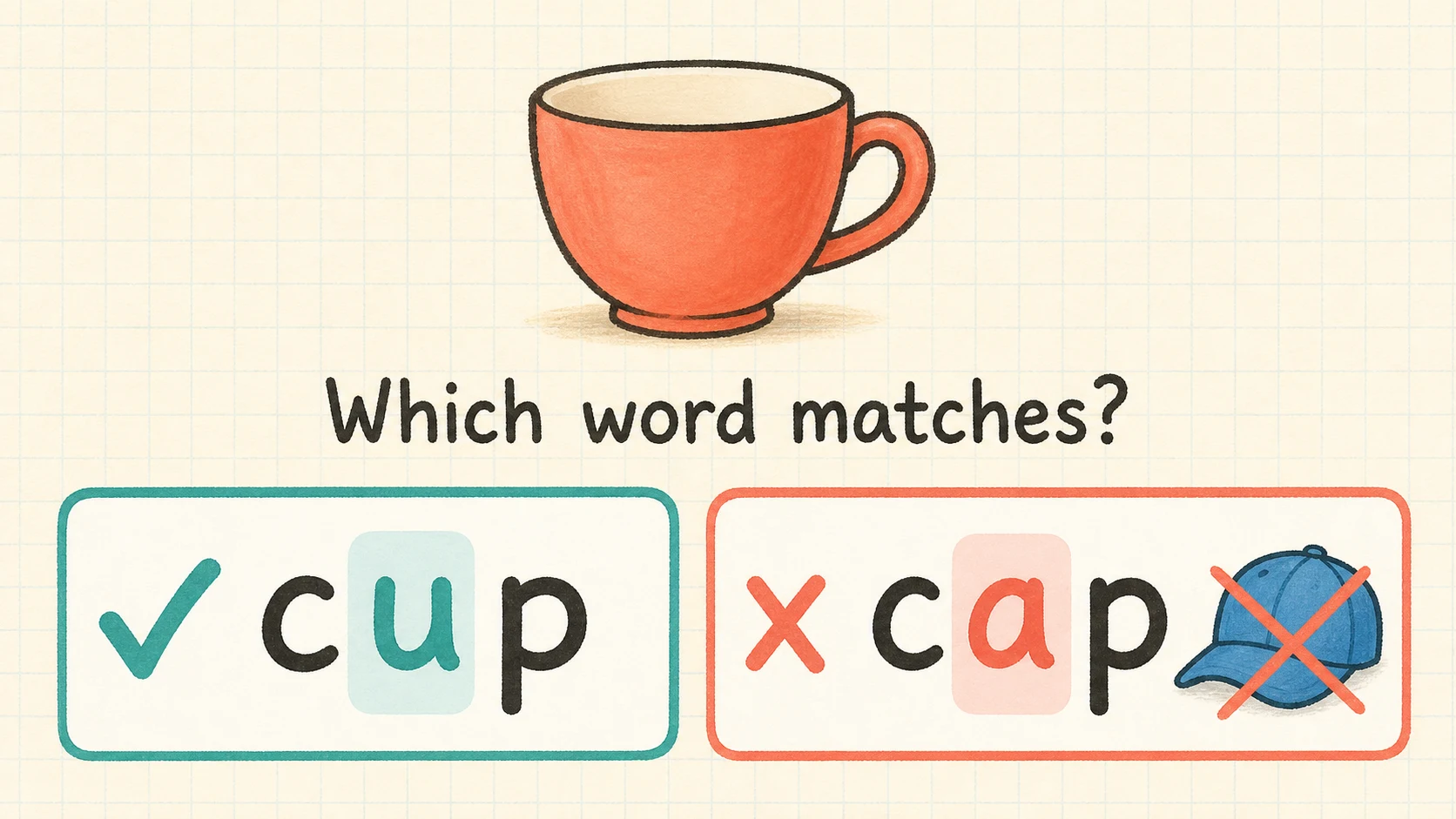
Use the location of a CVC error—first, middle, final, or whole-word blend—to choose tomorrow’s prompt.
Short vowels: hear and represent the middle sound
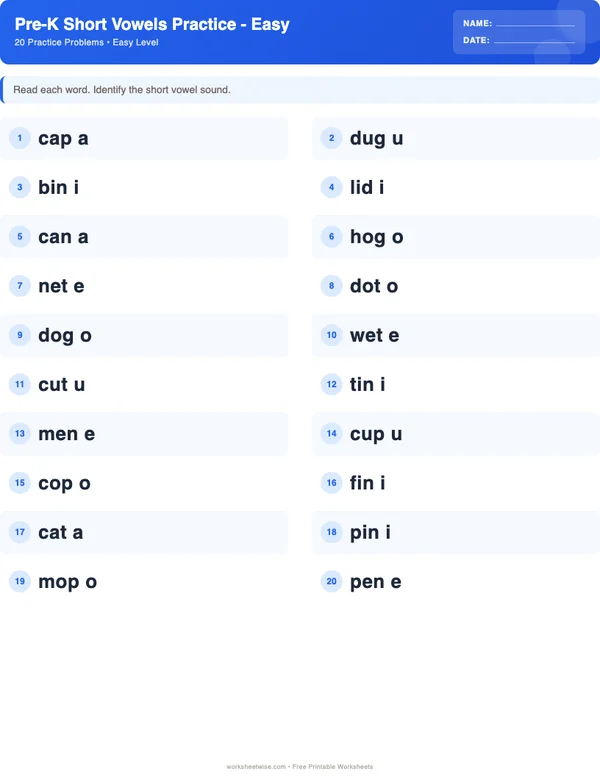
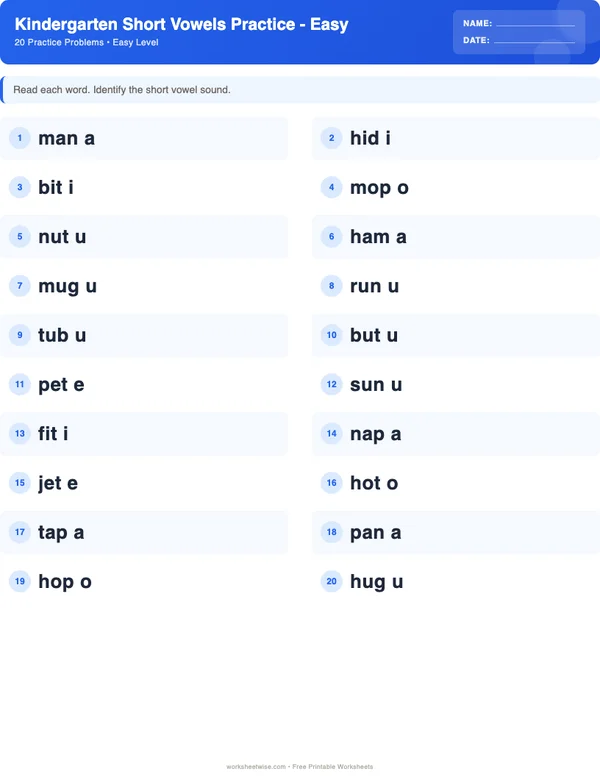
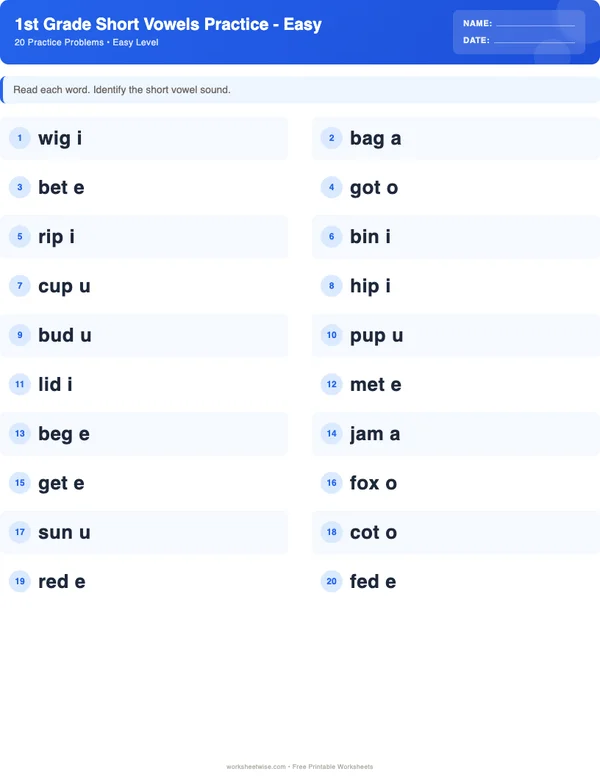
A short-vowel sheet belongs after the target vowel has been introduced orally and in print. The live catalogue describes work with short a, e, i, o, and u through picture sorting, word reading, spelling, and fill-in-the-middle responses.
A checked contrast is pen/pin. Both words begin with /p/ and end with /n/; only the vowel changes. Say one word without showing it, ask the learner to repeat it, and have the learner select e or i before writing the whole word. This belongs in short-vowel homework because the contrast prevents the consonants from disguising whether the learner heard the middle sound.
If the learner consistently writes pin for pen, the next sheet should not introduce three more vowels. Use a narrower e/i discrimination task with pictures the learner can name, followed by two dictated words. The Pre-K Short Vowels guide and free sheet is one relevant catalogue route, but an adult should preview every picture label. A drawing interpreted as cup by the worksheet and mug by the learner creates a vocabulary disagreement, not clean evidence about the vowel.
Word families: hold the ending while changing the onset
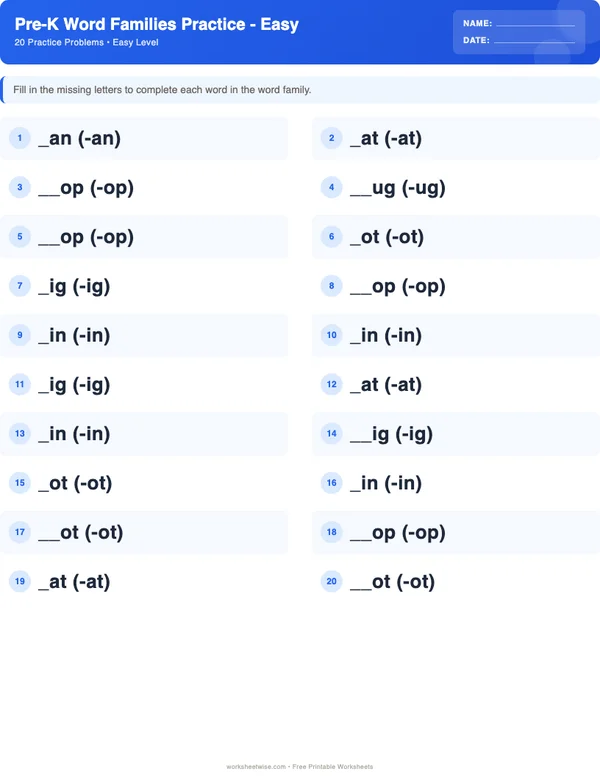
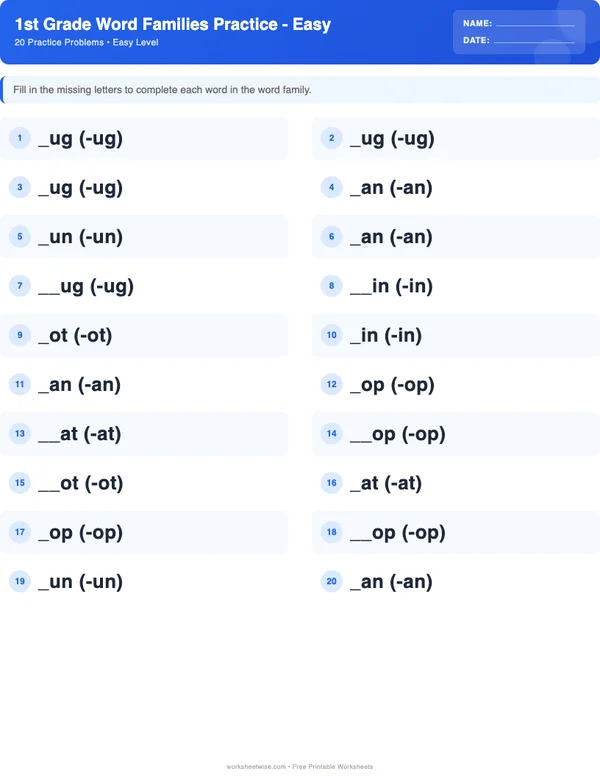
Word-family work is appropriate when the learner can blend the component sounds and is learning to notice a stable ending. A useful home sequence is cat → mat → sat, with -at held constant. Ask, “What stayed the same? What changed?”
This example belongs here because it makes the intended pattern visible without asking the learner to memorize each word as an unrelated shape. To check transfer, finish with map or sit. If the learner reads only the practiced -at words, the page showed pattern familiarity but not necessarily flexible CVC decoding.
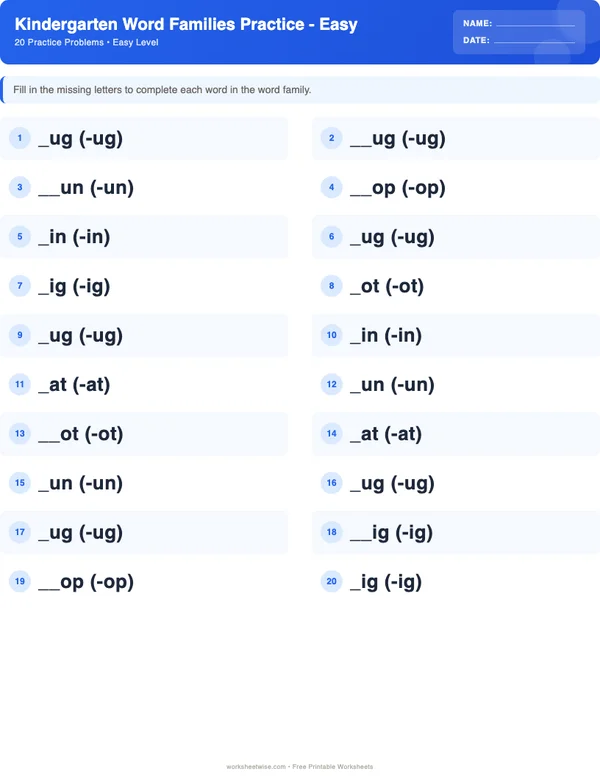
Use the Pre-K Word Families guide and free sheet when its response format matches current instruction. Word-family recognition should supplement sound-by-sound decoding, not replace it.
Keep the home routine brief, audible, and repeatable
A phonics sheet becomes more informative when home and school use the same small routine. Send the directions in plain language, model the routine once before dismissal, and tell the adult what kind of help is allowed.
Before the learner starts: preview one item
The adult and learner should complete one sample together, preferably an item not included in the independent set.
For a CVC item:
- The adult names the task: “Touch each letter, stretch the sounds, then say the word.”
- The learner points under s-a-t and blends
/sssăăăt/. - The learner says sat normally.
- If the page requires writing, the learner writes the word.
- The adult says, “Now try the circled items the same way.”
The adult may reread directions, point to the starting place, or ask the learner to use the classroom routine. The adult should not supply each sound, eliminate wrong choices, or spell every answer. Those actions can produce a completed page while hiding what the learner can do.
During work: collect a small sample of real behavior
A practical assignment can take about five to ten focused minutes, but use the learner’s attention and the task itself rather than a rigid timer. Stop when practice turns into guessing, conflict, or copying.
Ask the adult to mark one of three notes beside a difficult item:
- I — the learner completed it independently.
- P — the learner needed the direction or strategy prompted.
- T — the adult told a sound or answer.
These marks are a suggested WorksheetWise routine, not a sourced assessment system. They distinguish independent work from heavily supported work without asking families to judge mastery.
For ages three and four, prioritize brief adult-led oral, matching, manipulative, and movement work over desk work. An adult might say sun, help the child push one token for each sound, and then ask the child to match the word to a picture. Two or three such turns may be more appropriate than completing a full 20-problem page. Age remains a discovery aid, not a placement decision.
After work: end with one read-back
Have the learner reread two completed words or explain one choice: “I chose i in sit because I heard /ĭ/ in the middle.” The read-back checks whether a written response still connects to spoken language.
The adult then returns the sheet without correcting every error. If a correction is necessary to prevent frustration, the adult can place a small dot beside the item and invite one more attempt. Preserve the original response so the teacher can see what changed.
Distinguish blends, digraphs, and long vowels in the model
These topics can look superficially similar because all involve more than a simple three-letter CVC pattern. Their sound structures differ, so they need different demonstrations.
Consonant blends: keep both consonant sounds
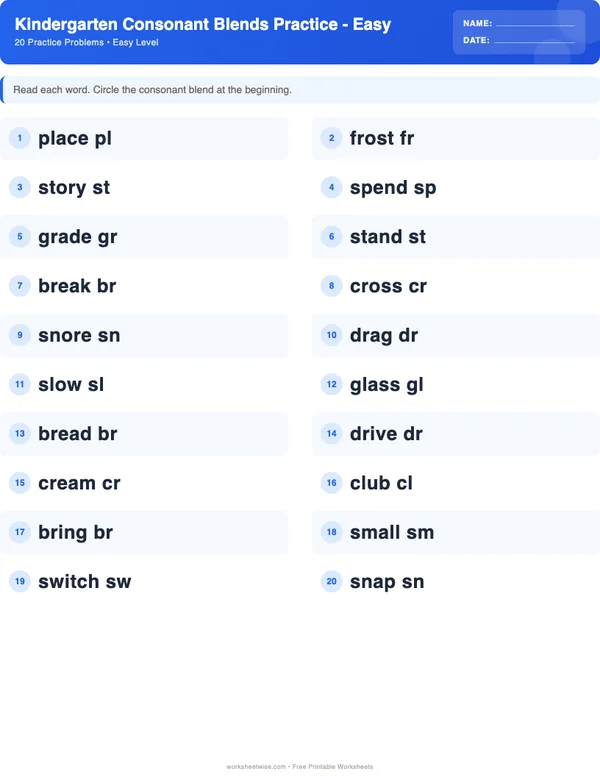
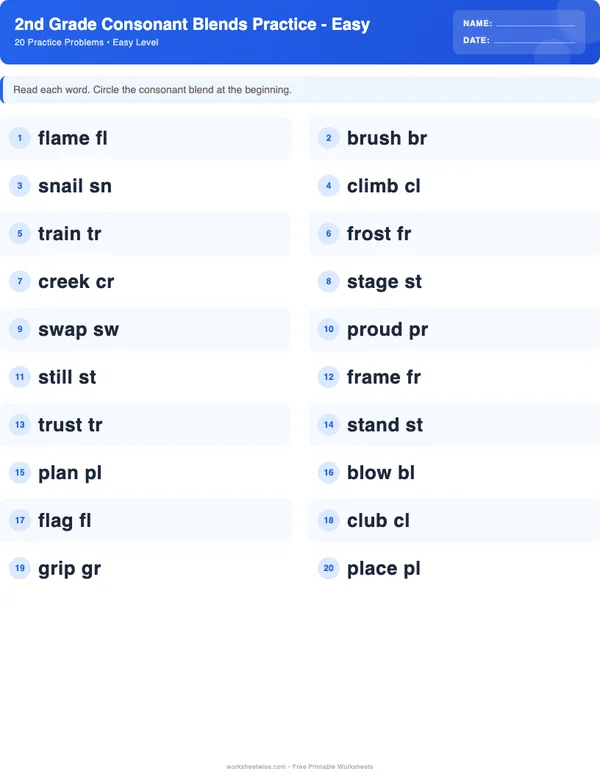
In a blend, each consonant retains its sound. For stop, the learner must hold /s/ and /t/ before moving into the vowel and final consonant. A suitable model is to tap four sounds, slide a finger under the word, and say stop.
A fully checked contrast is sop/stop. If the learner reads stop as sop, the vowel and final consonant are intact; the /t/ from the initial blend was dropped. That error calls for a smaller next task: contrast sop/stop, sip/slip, or sat/slat, tap every sound, and then blend. It does not call for a generic page containing many unrelated blends.
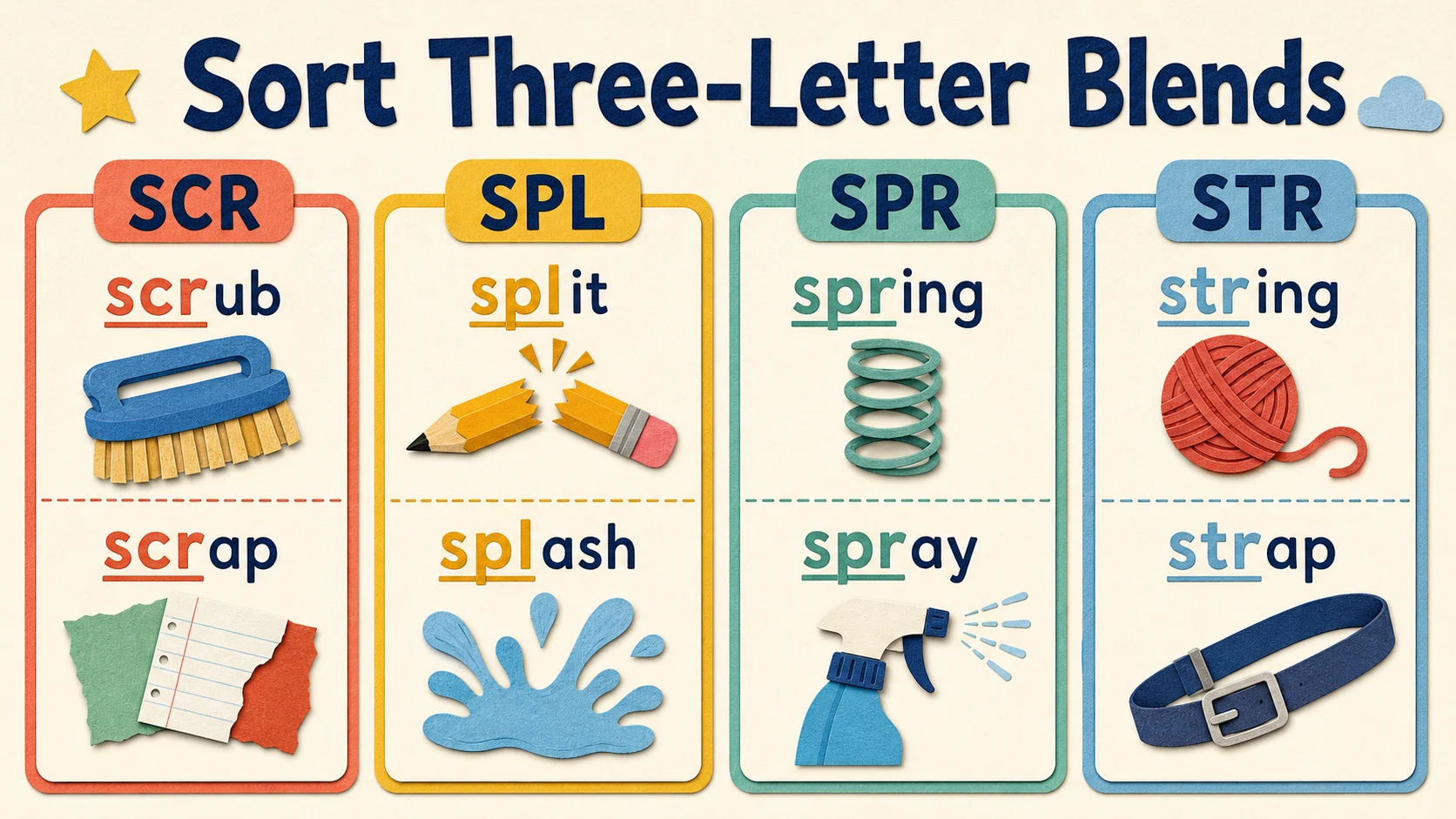
For blend homework, repeat one sequence: identify the letters, articulate both consonant sounds, blend the whole word, and verify the response.
Final blends need their own listening check. In ten/tent, the extra final /t/ changes the word. Ask the learner to say both slowly and place one counter for each sound. This example belongs here because it isolates the frequent act of omitting a final consonant rather than treating the two words as picture vocabulary.
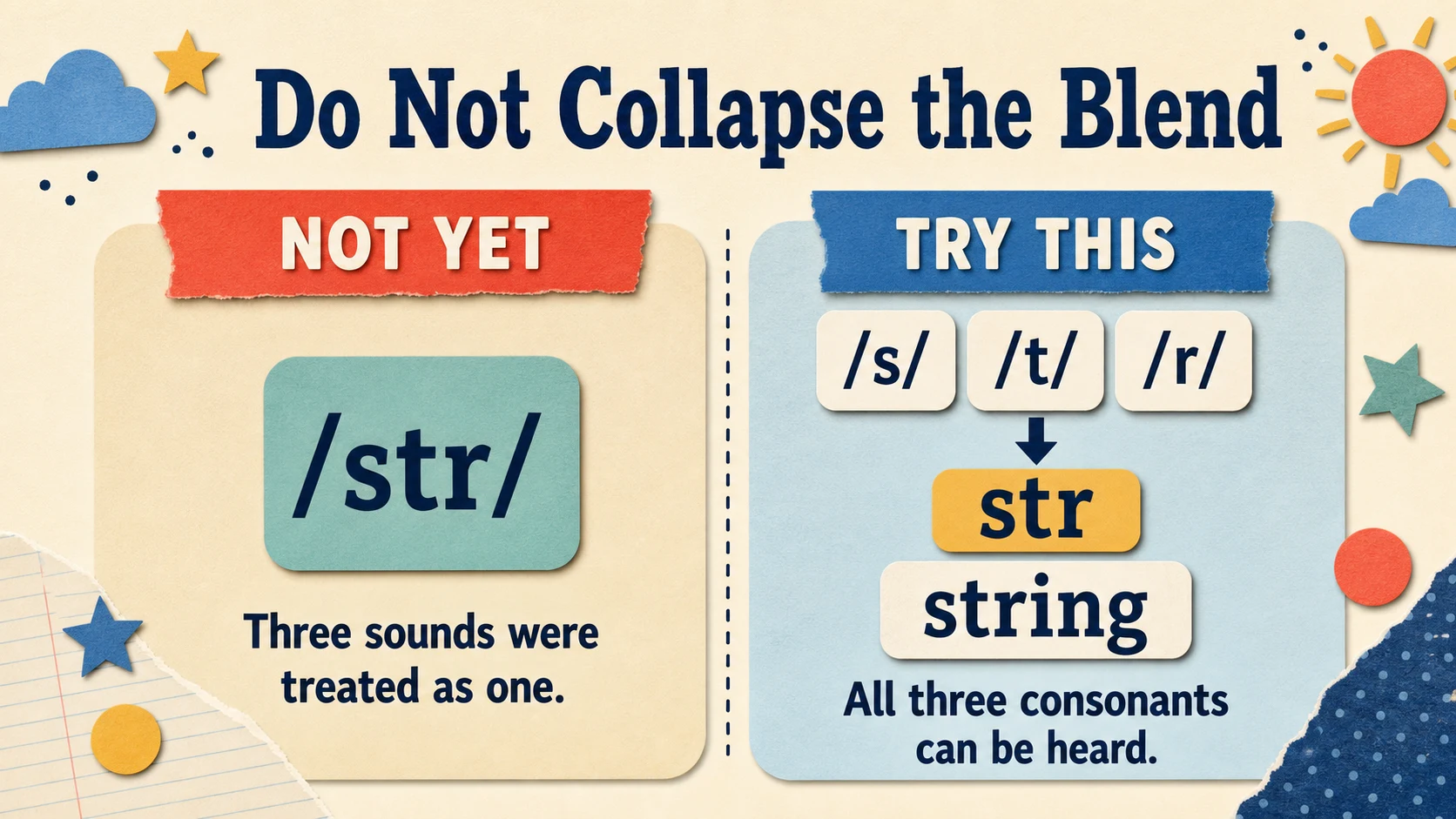
The next blend sheet should target the sound that disappeared, moved, or was added—not simply repeat the same page.
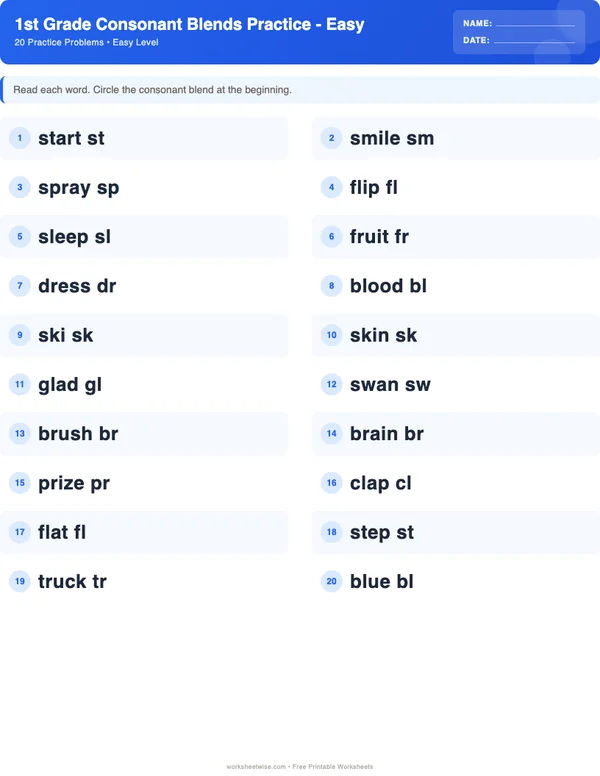
The Kindergarten Consonant Blends guide and free sheet is a useful entry point after blends have been taught. Preview whether it uses initial blends, final blends, or both; success with sl- does not automatically establish success with -nt.
Digraphs: two letters represent one sound
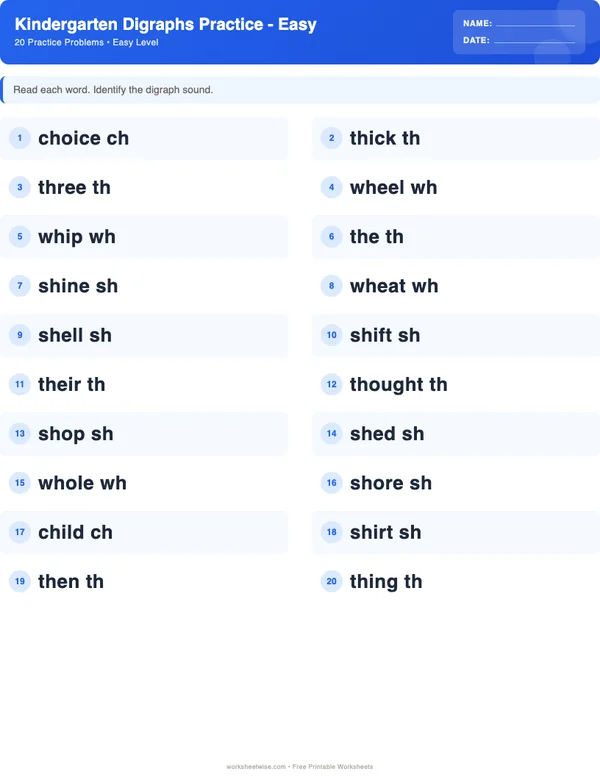
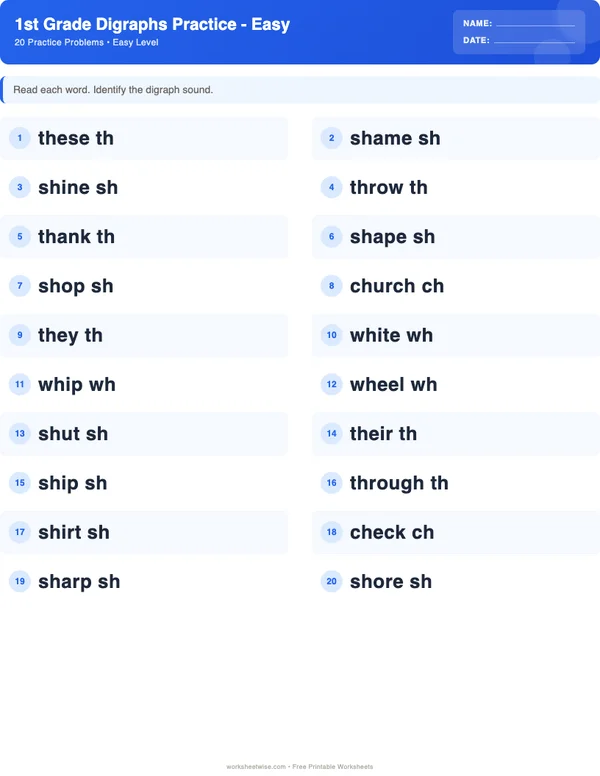
A consonant digraph uses two letters for one sound. In ship, sh represents /sh/; it is not a sequence of separate /s/ and /h/ sounds. Put two fingers together above sh, say the single sound, then blend /sh/ /ĭ/ /p/.
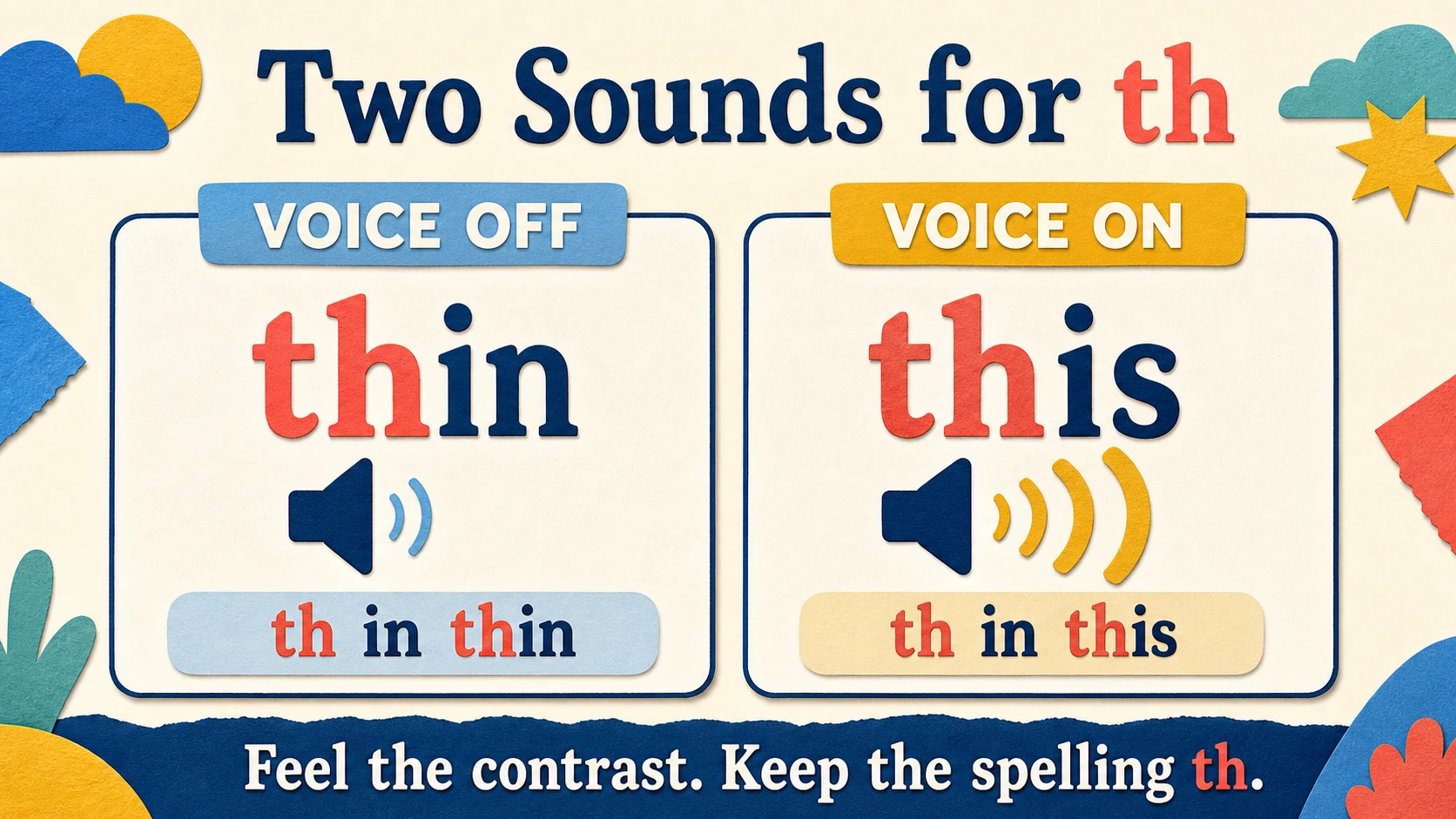
Make the invisible sound count visible: two written letters can occupy one spoken-sound position.
A checked comparison is slip/ship. Slip begins with a blend containing two sounds, while ship begins with a digraph representing one. This pair belongs here because it reveals whether the learner is attending to the sound function of the letter pair rather than merely noticing that both words start with two consonant letters.
If the learner reads ship as sip, return to the single sh sound in initial and final positions, such as ship and wish. If the learner reads ch as /sh/, use a two-category auditory and picture sort before another written page. Do not add th, wh, and ck merely to create variety.
Long vowels: contrast the changed spelling pattern
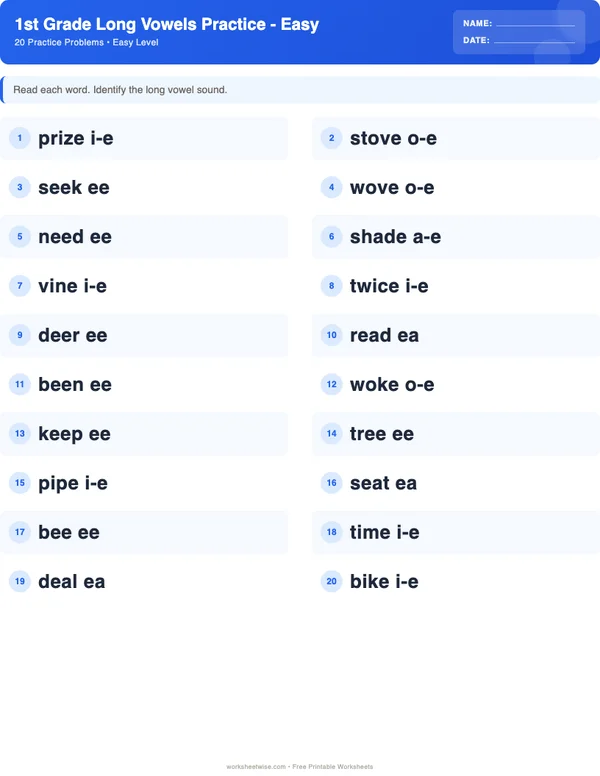
Long-vowel homework should follow instruction in a specific pattern. The catalogue’s representative long-vowel resource includes silent-e, vowel teams, and open syllables, but those are not interchangeable starting points.
For a silent-e lesson, use cap/cape. In cap, the vowel is short; in cape, the final e changes the vowel pattern. Have the learner build cap, add e, reread cape, remove e, and reread cap. This example belongs here because the learner can see and hear the consequence of one spelling change.
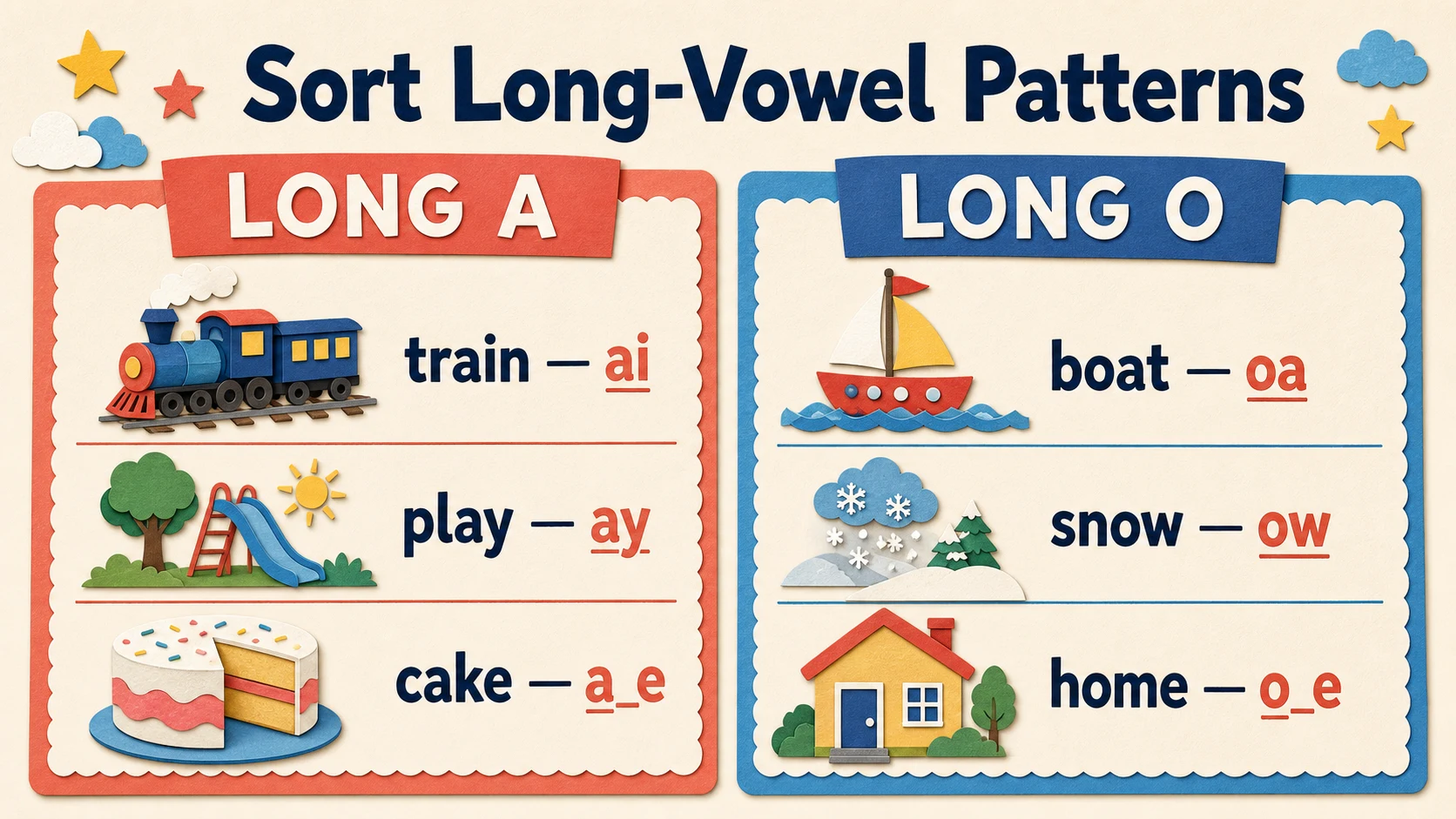
Long-vowel practice is clearest when the learner compares a taught pattern with a closely matched word.
If cape is read as cap, assign another short/long contrast using the same pattern, such as hop/hope. If cape is read correctly but rain is not, do not infer a general long-vowel problem: silent-e and ai are different spelling patterns. Choose the next sheet by pattern.
Use response formats that reveal the phonics thinking
The same word set can produce stronger or weaker evidence depending on what the learner must do.
Choose rather than copy when discrimination is the target
A picture with choices ship, chip, and slip can reveal attention to the initial spelling if the learner can name the picture independently. Ask the learner to read all choices before circling. Otherwise, the response may be based on the first letter or picture recognition.
Copying ship from a model checks letter formation and visual copying more directly than decoding. That may be useful handwriting practice, but it does not provide clean evidence that the learner connected sh with /sh/.
Build or write when segmentation is the target
Dictate map and ask the learner to build it with letters before writing. If the learner builds m-a-p correctly but handwriting obscures the final letter, the phonics response may be sound even though written production needs separate support.
The IES elementary writing practice guide addresses handwriting, spelling, sentence construction, and the writing process. It did not assess WorksheetWise. Its broader guidance is a reminder that a written phonics response includes production demands. When letter formation, copying, or sentence construction overwhelms the sound-spelling target, reduce those demands rather than interpreting every written error as a phonics error.
Read in context only after word-level rehearsal
A short sentence can check whether the learner carries a taught pattern into connected text. After working with sh, a sentence such as “The fish is in the dish” provides repeated final sh practice. Preview any untaught words so they do not obscure the target.
The Common Core English Language Arts standards include foundational reading expectations involving sound-spelling correspondences, decoding, and recognition of high-frequency words. They did not evaluate WorksheetWise, and they do not determine a learner’s exact homework placement. Local curriculum order and taught content remain decisive.
Treat sight words as words with parts, not a speed contest
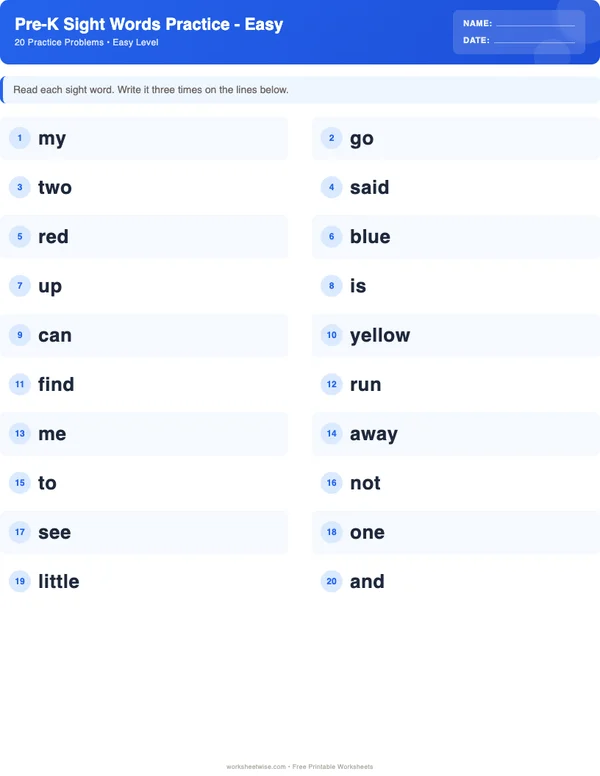
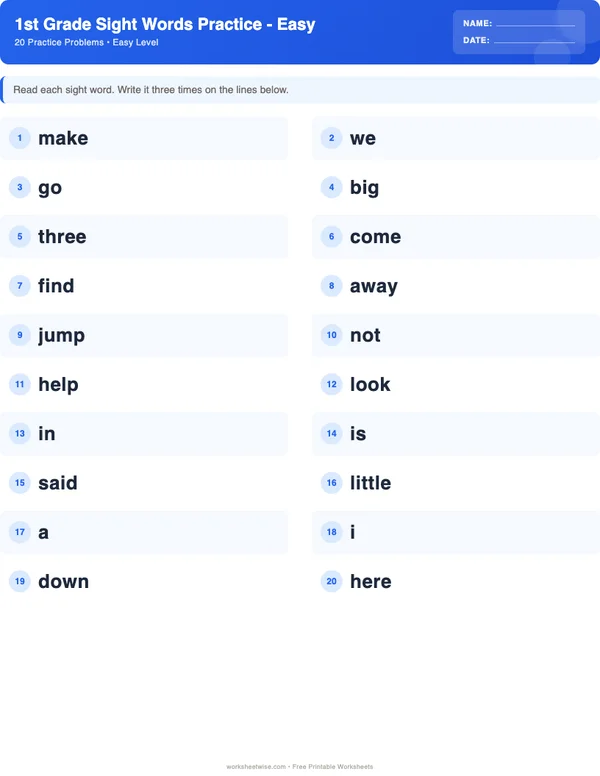
A sight-word page may include tracing, writing, finding words in sentences, or reading short passages. Homework should focus on a small set already introduced in class.
Take said. The initial s and final d can be connected to their expected sounds, while the middle spelling requires special attention. Ask the learner to say the word, identify the expected parts, mark the unexpected part, write the word once from view, and then once from memory. This example belongs here because it uses phonics knowledge where it applies instead of asking the learner to memorize the entire word as an unanalyzed picture.
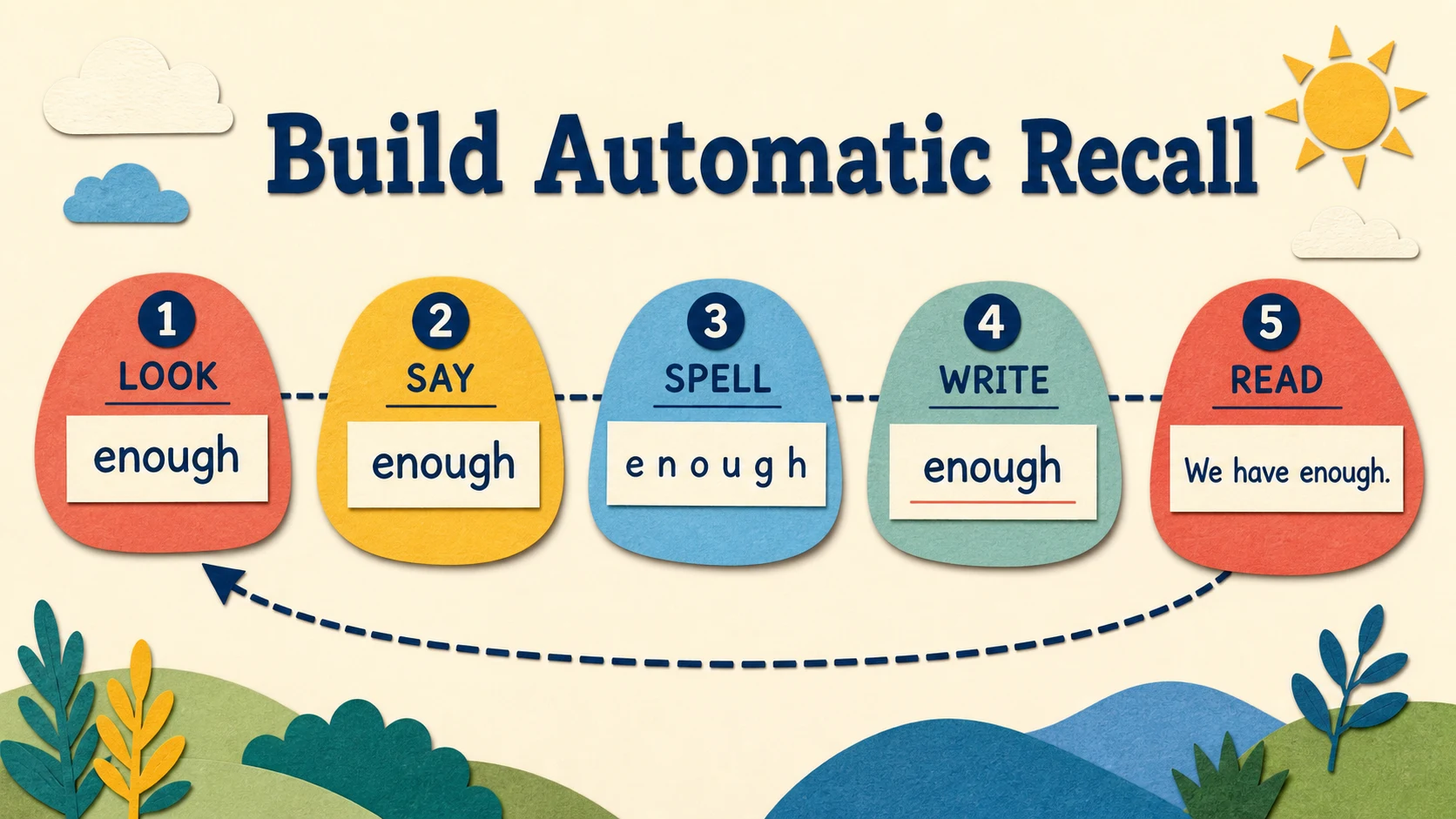
Move from visible analysis to covered recall only after the learner has inspected the word’s sound-spelling parts.
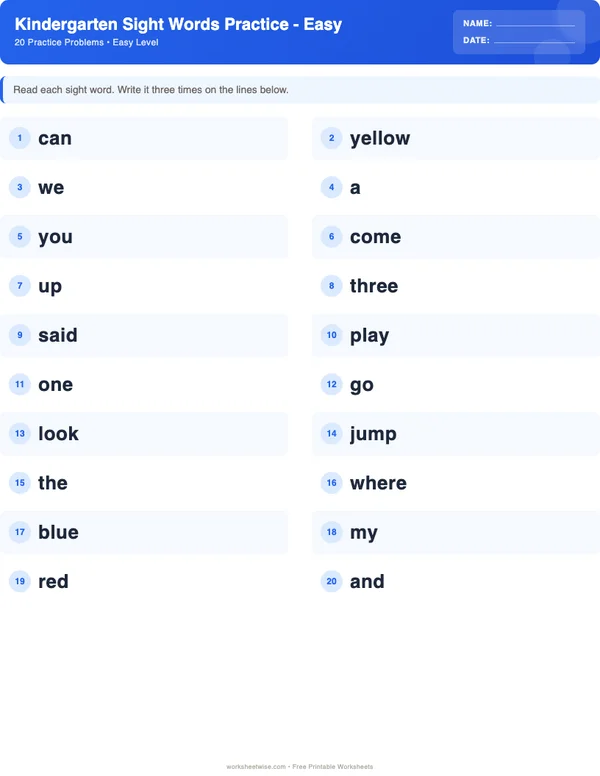
If a learner reads said correctly in isolation but substitutes another word in a sentence, the next step should include the word in a short, readable context. If the learner cannot recall the middle spelling when writing, return to analysis and immediate retrieval rather than assigning a longer list. The Pre-K Sight Words guide and free sheet can supply practice, but the teacher should select only words that have been introduced.
Avoid racing as the main measure. Speed can hide guessing and can shift the goal from accurate word analysis to performance under pressure.
Define worksheet difficulty through observable features
The representative free catalogue sheets are labeled “easy,” but that label applies to the resource, not the learner. Describe difficulty through what the task visibly requires.
A sheet places a lighter load on the learner when it:
- rehearses one taught correspondence;
- uses a familiar response format;
- includes clearly named pictures;
- provides a worked example;
- limits each item to one decision;
- uses readable print and enough writing space; and
- separates similar answer choices.
A sheet places a heavier load on the learner when it:
- mixes several spelling patterns;
- requires independent reading of multistep directions;
- asks the learner to decode and compose a sentence at once;
- uses pictures with multiple plausible names;
- requires extensive handwriting;
- removes all visual or oral support; or
- combines new content with a new game or layout.
These are editorial selection criteria, not diagnostic categories. A learner may accurately read long-vowel words aloud yet struggle with a worksheet that requires small handwriting or complex directions.
A 20-problem resource can therefore become appropriate homework by assigning a purposeful subset. Select, for example, four sh items, two cumulative CVC items, and one read-back. Write “Do the circled items only.” This preserves the phonics target while reducing endurance and layout demands.
Adapt access without changing the target skill
An adaptation is useful when it removes an irrelevant obstacle while keeping the phonics decision intact.
If the target is short-vowel discrimination:
- The adult may say the picture name if vocabulary is uncertain.
- The learner may point to e or i instead of writing a whole word.
- The adult may enlarge the choices or cover unused rows.
- The learner may use letter tiles instead of a pencil.
The learner must still hear and select the middle vowel. If the adult says, “That is pen, so choose e,” the target has been supplied rather than preserved.
If the target is decoding a blend:
- Allow finger tapping, counters, or a sound line.
- Read the directions aloud.
- Reduce the number of words.
- Let the learner answer orally while the adult records the exact response.
Do not replace reading stop with naming a stop-sign picture. The latter may test environmental print or picture recognition, not blending.
For ages three and four, move the work off the desk when needed. Place three letter cards on the floor, say map, and have the child step on m, a, and p while voicing each sound. Then sweep a hand across the cards and blend. Matching, manipulatives, and movement preserve the sound-to-letter target while respecting the need for brief adult-led activity.
Limitations matter. A returned worksheet is only one sample. Fatigue, unclear pictures, unfamiliar vocabulary, adult help, motor demands, and misunderstood directions can affect the result. Do not diagnose a reading condition from a worksheet, and do not promise that completing pages will produce a particular outcome. When errors persist across formats and settings, document the exact observations and follow the school’s support process.
Read errors by pattern before selecting the next sheet
Begin the next day with three questions:
- Was the response independent, prompted, or told?
- Did the error occur in the initial sound, vowel, final sound, blend, digraph, or word pattern?
- Did the learner make the same kind of error more than once?
Then choose the smallest instructional response.
| Returned evidence | Reasonable interpretation to check | Next sheet or task |
|---|---|---|
| map read as mop twice | The middle vowel contrast may be unstable | Short-a/o listening sort, then four CVC items |
| stop read as sop | One sound in the initial blend was omitted | Two-word contrasts and four-sound tapping |
| tent read as ten | The final consonant may not have been held in the blend | Final-blend pairs such as ten/tent |
| ship read as sip | sh may have been treated as s | Initial/final sh matching and blending |
| cape read as cap | The silent-e pattern was not applied | CVC/CVCe pairs such as hop/hope |
| Correct choices, but every item marked T | The completed page does not show independence | Repeat fewer parallel items after teacher modeling |
| Accurate oral answers, illegible written answers | Handwriting may be obscuring the phonics evidence | Oral reading or letter tiles, with writing handled separately |
These are suggested instructional hypotheses, not diagnoses. Verify each one with a brief next-day check. Ask for one oral response and one encoding response before selecting another full page.
Feedback should name the successful move and the exact repair. “You kept /s/ and /t/ in stop. Try step the same way” is more actionable than “Good job.” For an error, say, “You read sop. Touch s and t so both sounds enter the word.” Then give one parallel item. Avoid covering the page with corrections that the learner never uses.
If the learner succeeds after one reminder, choose a short page with the same target and less prompting. If the same error continues, narrow the contrast and model again. If the learner is accurate, add a small cumulative review or a short sentence containing the taught pattern. Do not jump from six accurate sh words to an untaught mixture of every digraph.
Turn tomorrow’s returned page into a concrete teaching decision
Use a three-minute review before assigning more homework:
- Circle one independently correct response that demonstrates the target.
- Box one repeated error pattern—not every mistake.
- Recheck that pattern orally with a new word.
- Model one correction if needed.
- Select the next sheet by that evidence.
For instance, if yesterday’s sheet shows stop → sop and step → sep, recheck with stem. If /t/ disappears again, use the Kindergarten Consonant Blends guide and free sheet, circle only a short set of initial st- items, and attach the instruction: “Tap every sound, blend, then read the word once more.” If stem is read accurately without help, choose a small mixed review instead.
That observable next action completes the homework loop: open the real blends resource, select parallel st- practice, mark only the items needed, and use the returned responses to decide whether tomorrow brings another model, a narrower contrast, or independent application.
Put it into practice
Use the guide with a real printable
Move from explanation to a short, observable practice task. Check the first item together, then adjust the next session from the learner's actual work.
Open the first free worksheetExplore a neighboring collection