Curated collectionAnswer keys includedPrint-ready PDFs
Developing Worksheets Across Grades and Subjects
Mix familiar and less familiar examples, fade prompts and require a visible strategy before independent review.
Start with a real resource
Browse this worksheet collection
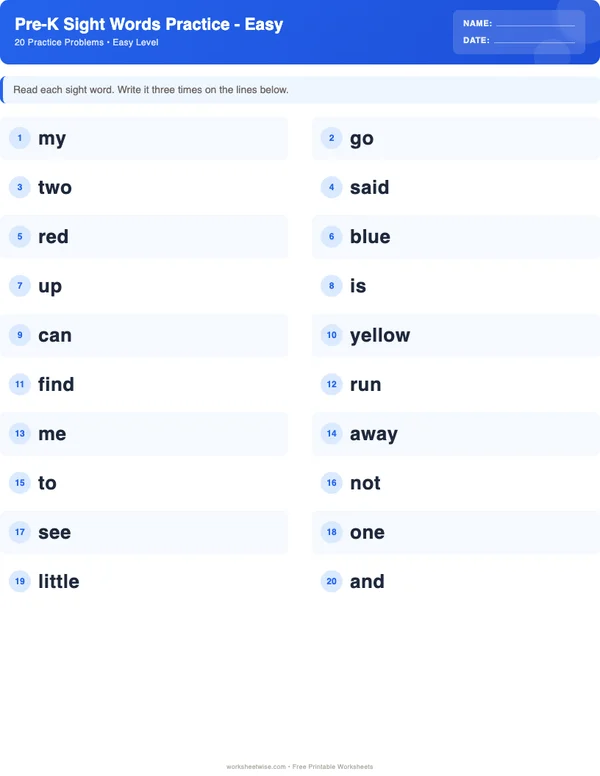
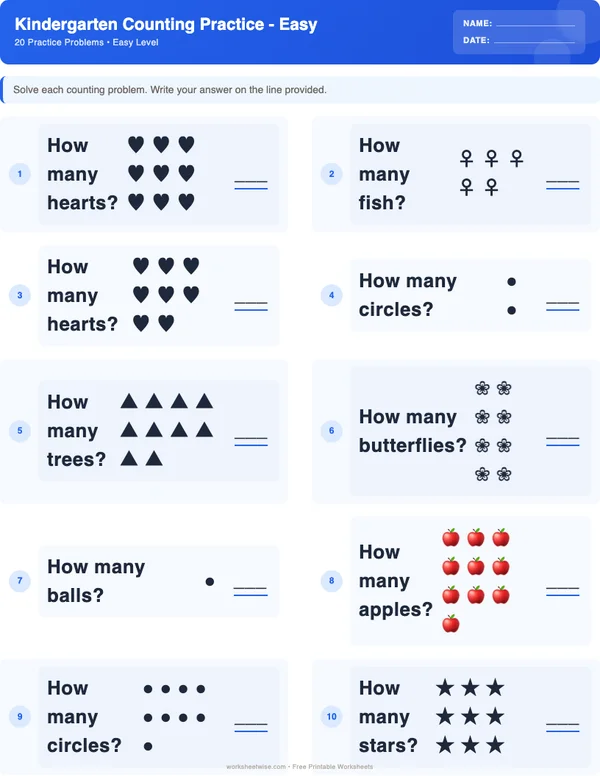
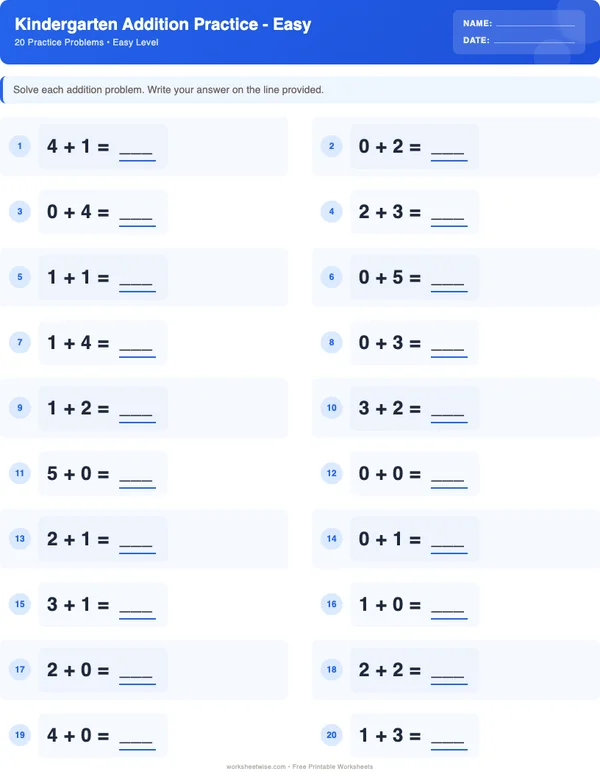
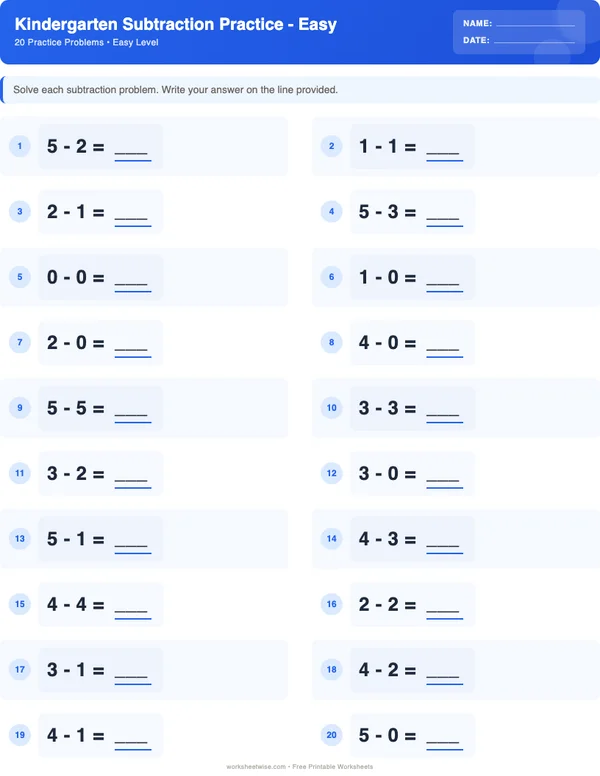
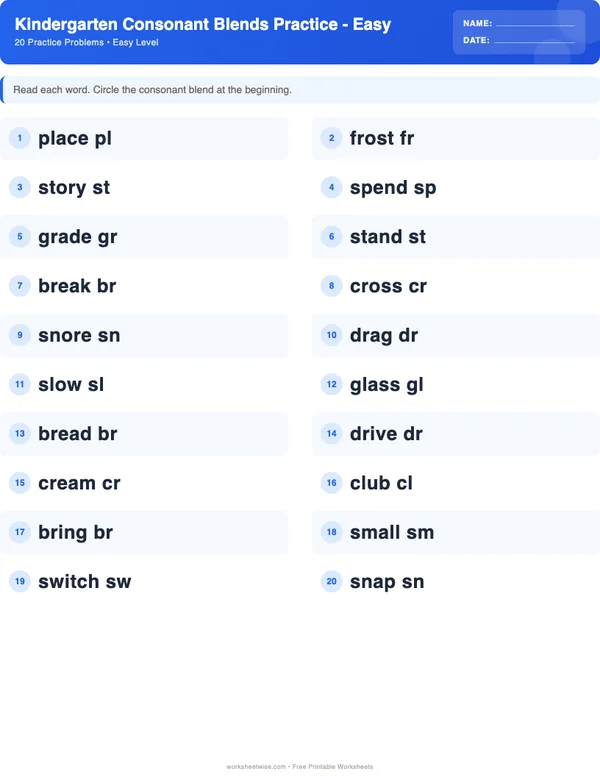
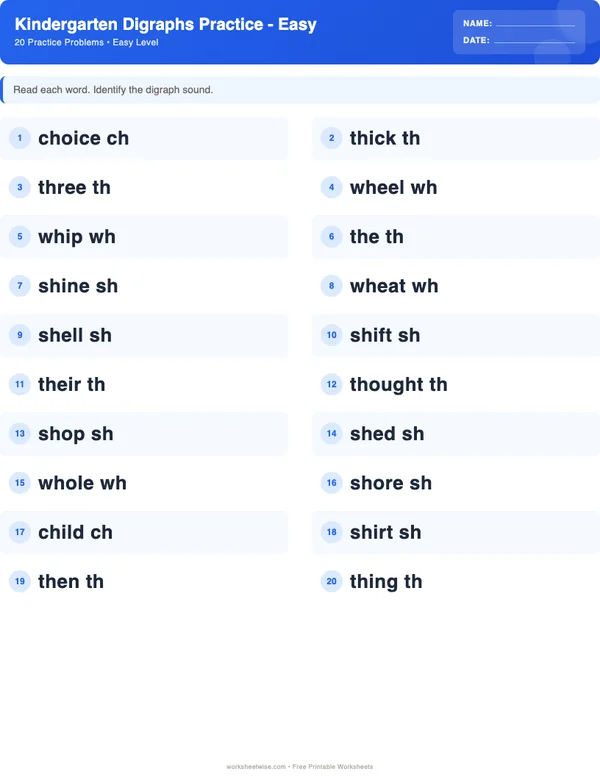
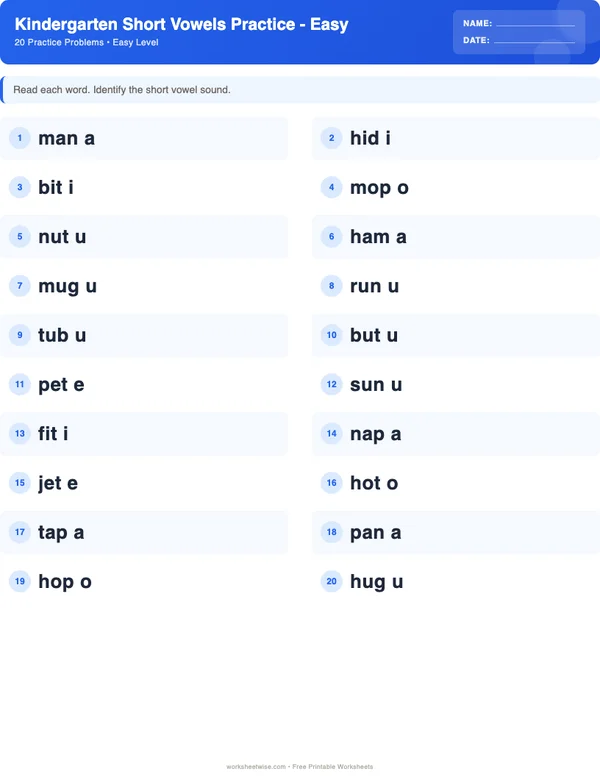
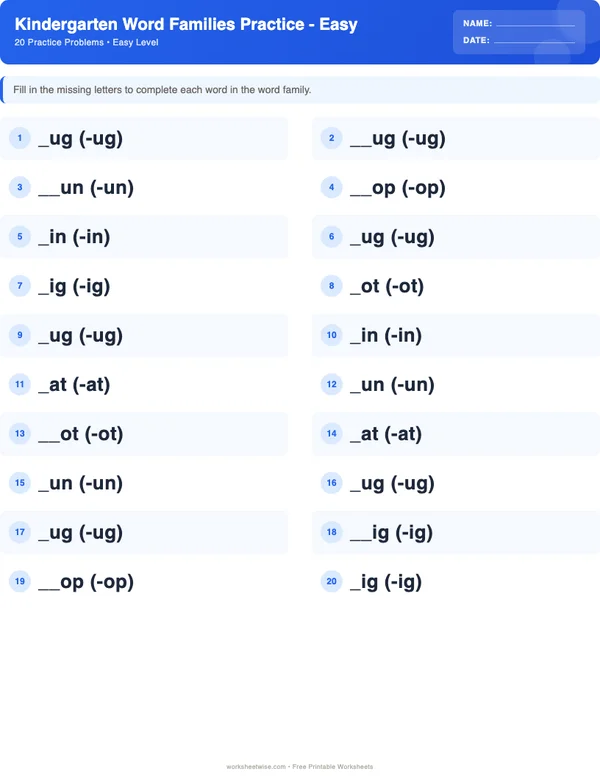
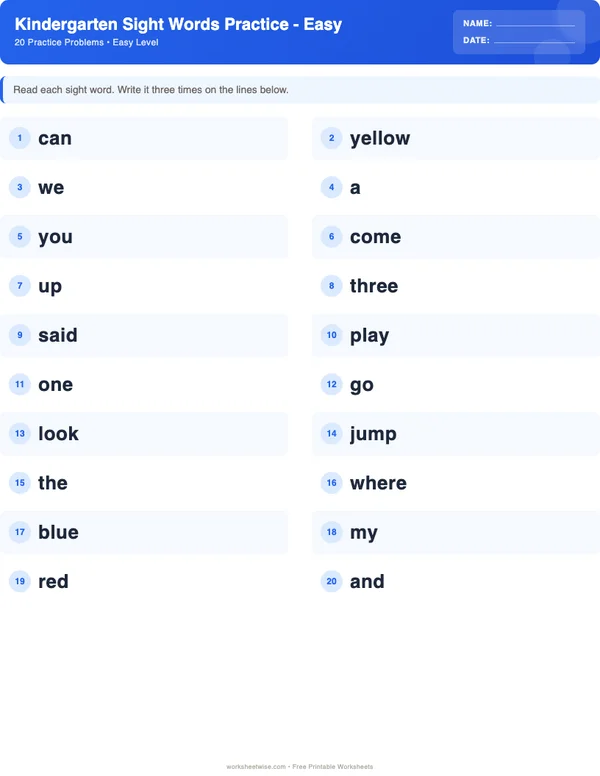
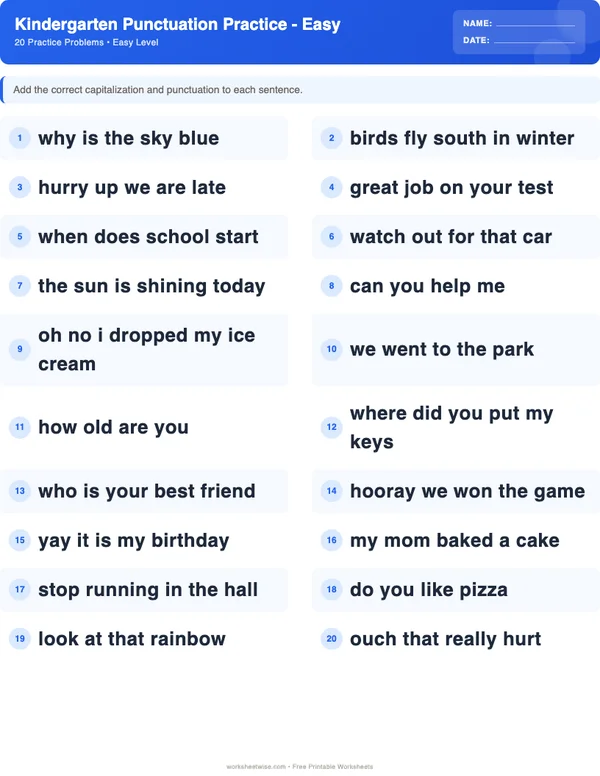
107 relevant free entry points are available. Each one includes a printable learner PDF and separate answer key.
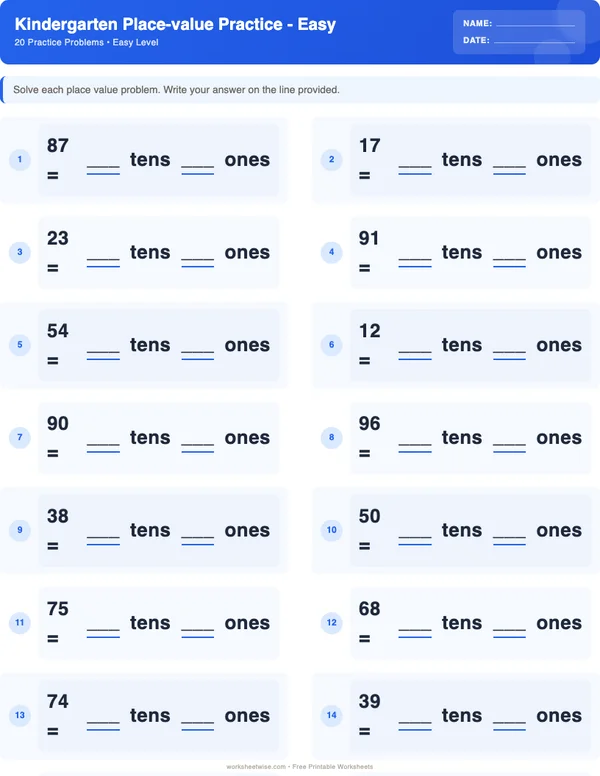
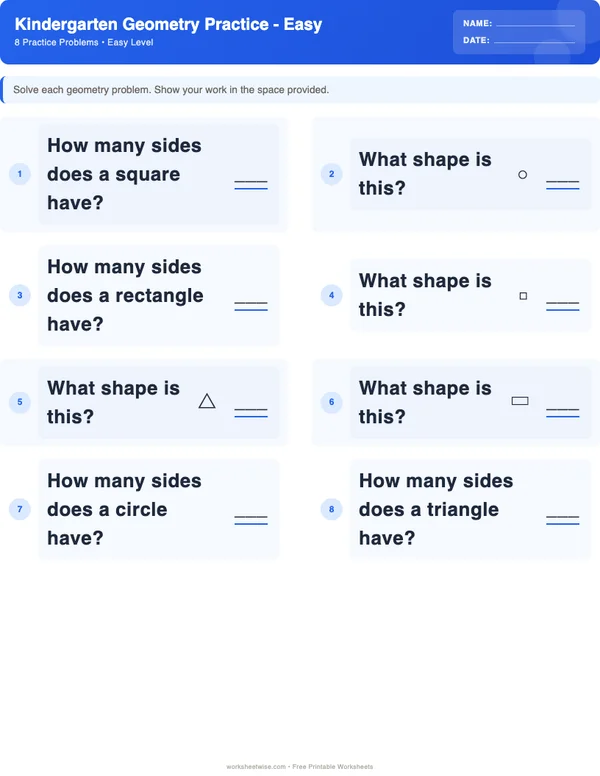
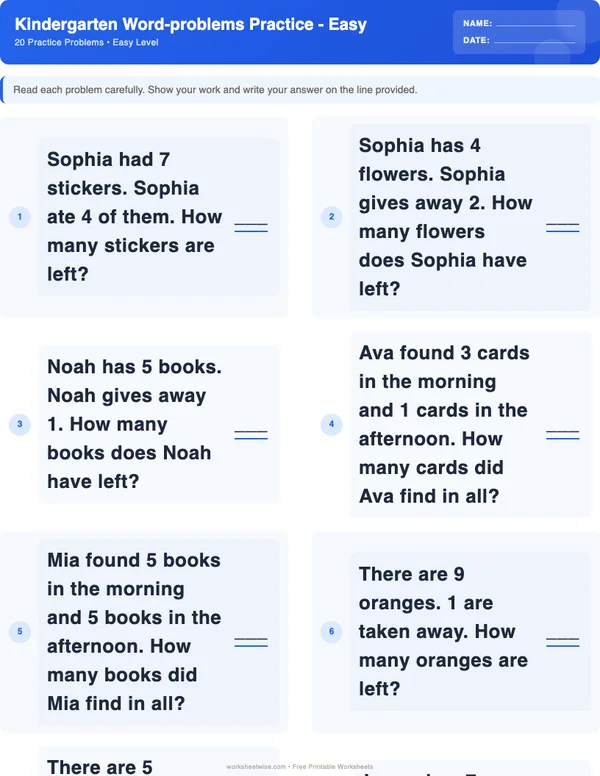
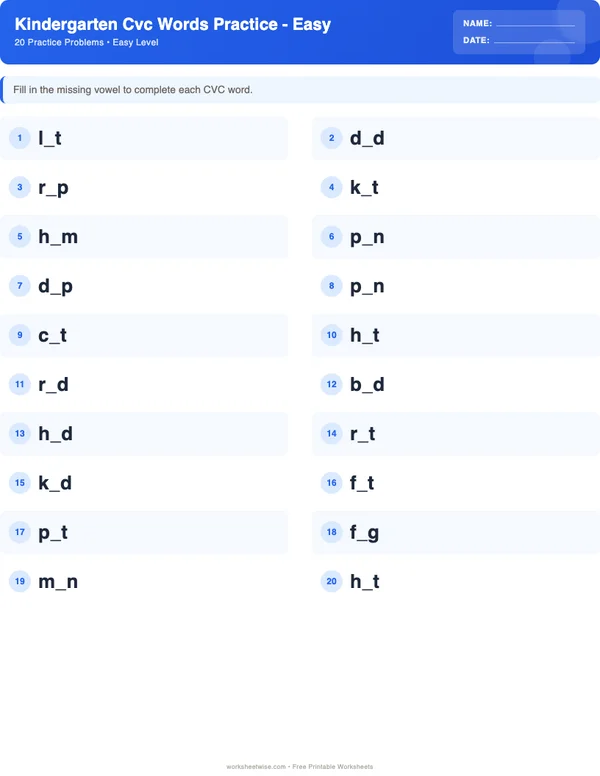
A useful practice loop
Print less. Observe more.
- Choose one skill and model the first item aloud.
- Use a short set and notice the learner’s strategy.
- Change the next task from the work you can see.
Need more than the free sheet?
Plus includes all 642 matching catalogue variations where available, plus saved deterministic generators and the worksheet designer.
See Plus membershipComplete guide
How to teach and practise level 2 worksheets
3,520 words Updated 6 instructional visuals
What “developing” means on this page
A developing worksheet asks for more than first-step recognition but still provides enough structure for a learner to choose and show a workable strategy. The task mixes familiar examples with a smaller number of less familiar ones, then gradually removes prompts. It may increase the number range, vary the representation, add relevant language, or require an explanation—but it should not increase every demand at once.
“Developing” describes the observable features of a particular worksheet. It does not describe a child. The same learner might need developing practice for multiplication, introductory practice for fractions, and advanced practice for decoding CVC words. Treat the level as skill-specific and temporary.
Use these worksheets when a learner can begin the target skill with limited help, has at least one relevant strategy, and now needs to apply that strategy across varied examples. Require visible thinking before independent review: marked sounds, counters, a drawing, an equation, a number line, labeled shape properties, or a written plan. A correct answer without a visible method provides less information about what the learner understands.
WorksheetWise currently lists 642 developing variants across eight grade groupings, four subjects, and 23 topics. Those catalogue filters help adults discover possibilities; they are not placements, diagnoses, or promises of progress. Grade labels describe intended practice levels, and local curriculum sequences differ.
Select a worksheet by the demand it creates
Before choosing a page from the full worksheet library, inspect what the learner will actually have to do. A useful developing task usually has four characteristics:
- Most of the underlying content is familiar.
- One feature introduces manageable variation.
- A strategy aid is available but does not complete the thinking.
- The learner must produce evidence that can be reviewed.
A worksheet is probably premature if the adult must explain nearly every item, read all essential language, or supply the strategy repeatedly. It may be too introductory if the learner answers immediately from memory and never needs to represent, compare, check, or explain.
Check the prerequisite narrowly
Name the prerequisite for this page, not for the whole subject. A multiplication sheet involving may require equal-group understanding and a usable derived-fact strategy. It does not require mastery of every multiplication fact. A short-vowel sort may require the learner to hear the middle sound; it does not require fluent reading of every word.
Try two or three examples orally or with objects before printing a full set. If the learner cannot begin, return to modeling. If the learner begins and can explain a plausible method, developing practice may fit.
Change one major variable at a time
Look across five adjustable features:
| Feature | More supported | Developing demand | Too many simultaneous demands |
|---|---|---|---|
| Number range | Small quantities with objects | Larger or mixed quantities with a reference available | Large range, new operation, and no model |
| Representation | One consistent picture or model | Objects, pictures, and symbols connected | Unfamiliar diagrams plus new notation |
| Language load | Short oral direction | Concise written direction and relevant context | Dense syntax or unnecessary vocabulary |
| Scaffolds | Every step prompted | Some steps prompted, then prompts fade | No entry point or checking support |
| Independence | Adult models each item | Adult checks after a short set | Full page completed without a planned review |
This “one major variable” rule is an editorial recommendation for choosing practice, not a claim from an outside study. It keeps mistakes interpretable. If number size, vocabulary, layout, and strategy all change together, an incorrect answer does not reveal which demand caused the problem.
Use a repeatable teach–fade–review routine
A developing page should sit inside a short routine, not function as an unattended packet. The sequence below makes assistance visible and removable.
Model one item and name the decision
Solve the first example while stating the useful decision: “I need the total in equal groups, so I can draw six groups of four,” or “I need the middle sound, so I will stretch the word and listen between the first and last sounds.”
Keep the model close to the worksheet’s actual format. An elaborate demonstration with tools that disappear immediately may not prepare the learner for the page.
Solve two together, but transfer the pencil
On the next two items, ask the learner to mark the representation and record the work. The adult may prompt with a question—“What does each group represent?”—but should avoid supplying the next number or letter.
Then identify the strategy evidence that must remain visible. Depending on the skill, that might be:
- dots grouped and counted;
- a bar or tape diagram;
- a decomposed number;
- sound boxes with one mark per phoneme;
- underlined evidence in a sentence;
- labeled sides, vertices, or right angles;
- a brief writing plan.
Fade prompts across a short set
Use three phases: two modeled or shared items, three lightly prompted items, and three independent items. Remove one support at a time. For example, retain a number line while removing the worked equation; later remove the number line only if the learner can reconstruct the needed reasoning.
Review after the short independent set. Do not wait until the learner has repeated the same misconception across 20 questions.
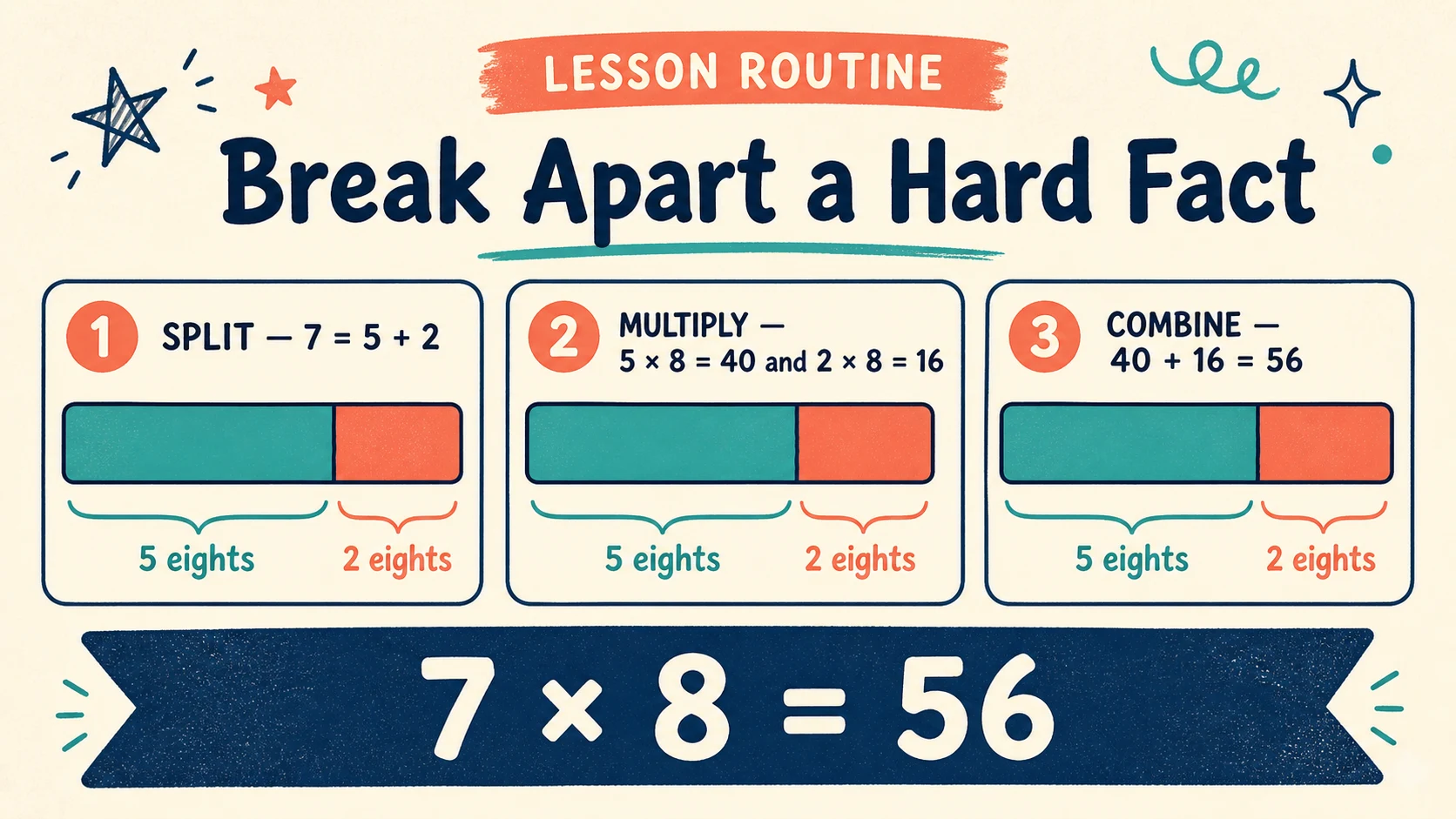
The routine keeps the multiplication strategy visible while responsibility shifts from adult modeling to a short independent check.
The IES mathematics intervention guide recommends systematic instruction, clear mathematical language, visual representations, and opportunities for learners to explain their reasoning. That sourced guidance supports explicit modeling and review. The exact two–three–three item sequence above is a practical WorksheetWise editorial suggestion, not an IES prescription.
Adjust mathematics without hiding the mathematics
In math, “harder” should not simply mean larger numbers. Developing practice can vary quantity, representation, problem structure, or the amount of strategy support while preserving the same mathematical target.
Example 1: Count a scattered set, then verify it
Suppose the target is one-to-one correspondence. Place 14 buttons in a scattered arrangement. Ask the learner to count them by moving each button into a line, then write 14. Rearrange the same buttons and ask for a second count.
This belongs at the developing level because the quantity is within the catalogue’s stated Pre-K focus of counting to 20, but the scattered arrangement prevents the visual order from doing the work. Moving each object is the required visible strategy. The second arrangement checks whether the count remains stable rather than whether the learner memorized the first layout.
For a three- or four-year-old, make this a brief, adult-led manipulative activity rather than desk work. Count real objects, match a numeral card to the set, and finish with movement—such as 14 claps—if attention permits. Age is a discovery aid, not a placement decision. The learner’s response to this exact counting task should determine the next step.
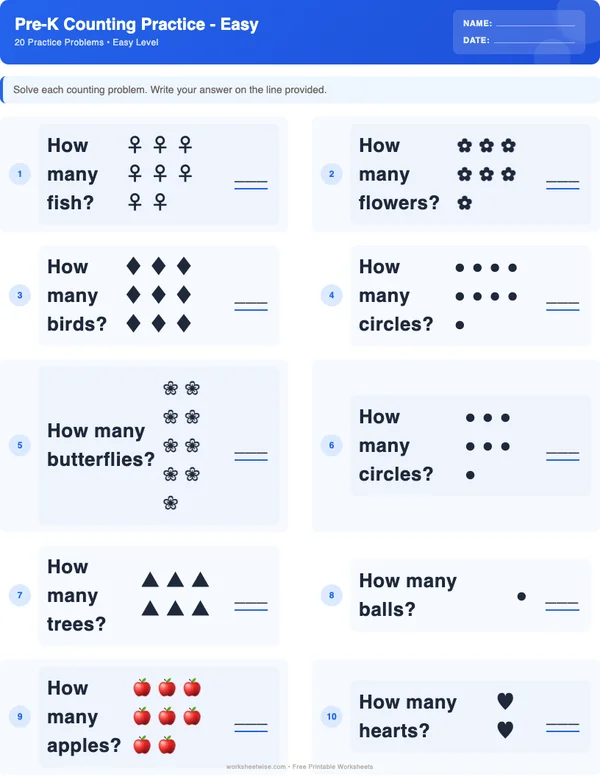
The IES early-mathematics guide emphasizes progressions, monitoring children’s mathematical understanding, and teaching learners to view and describe their world mathematically. The choice to rearrange and recount 14 buttons is a page-specific application of those principles. Adults wanting a concrete starting point can use the Pre-K Counting guide and free sheet, whose free catalogue sheet is marked easy, not developing.
Example 2: Classify a rotated shape by properties
Show a third grader a square turned so that one corner points upward. Ask: “Is this still a square? Mark the evidence.” A sufficient response could label four equal sides and four right angles, then state that orientation does not change those properties.
This is developing geometry because the shape is familiar, but its orientation is less familiar. The learner must use properties rather than a remembered “flat-bottomed” appearance. A prompt such as “Check sides and angles” supports the first item; later examples can omit it. Do not add area computation, perimeter computation, and unfamiliar vocabulary to the same set unless those are already secure.
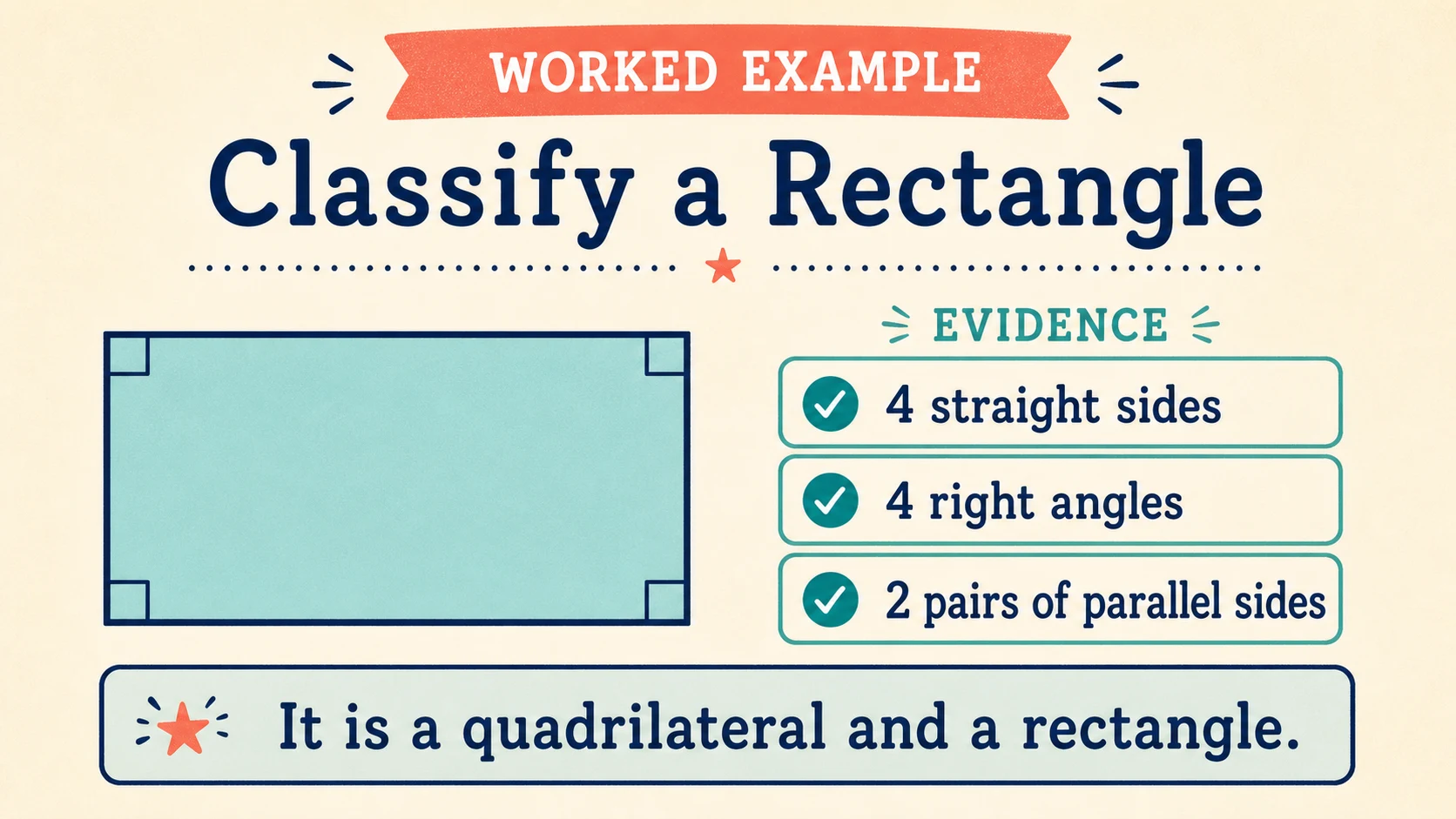
The geometry model clarifies the route from inspecting a figure to recording the properties that justify an answer.
Example 3: Represent multiplication before calculating
Ask a third grader to solve . If is familiar, the learner can draw five groups of seven plus one more group of seven, then record . Follow with , using .
Both calculations are correct: and . These examples belong here because they combine familiar facts with less familiar facts. The visible decomposition shows whether the learner understands a derived-fact strategy. Merely demanding instant recall would measure something different.
To increase independence, provide the first decomposition, leave blanks in the second, and provide only the multiplication expression in the third. If the learner draws all groups accurately but miscalculates the addition, preserve the multiplication target and allow an addition reference. If the groups themselves are unequal, return to equal-group modeling.
Develop early reading through controlled variation
Phonics practice becomes developing when the learner applies an established sound–symbol relationship to a mix of known and less familiar words. The page should not depend on guessing from pictures or memorizing the order of a word list.
The IES foundational reading guide recommends teaching learners to connect sounds with letters, decode words, and read connected text. That guidance supports explicit blending and cumulative practice. Specific word choices and prompt-fading steps below are editorial applications.
Example 4: Change one phoneme in a CVC chain
Build this chain with letter tiles:
cat → mat → map → mop
Check every change aloud:
cattomat: /k/ changes to /m/;mattomap: final /t/ changes to /p/;maptomop: middle /ă/ changes to /ŏ/.
Ask the learner to touch each letter, blend the word, change the required tile, and read again. Finish by dictating mop without displaying it.
This belongs at the developing level because three-letter CVC structure stays familiar while the location of the changed sound varies. Letter tiles and touch points make the strategy visible, but the learner still has to segment, select a grapheme, and blend. Dictation removes the visual model and checks a modest increase in independence.
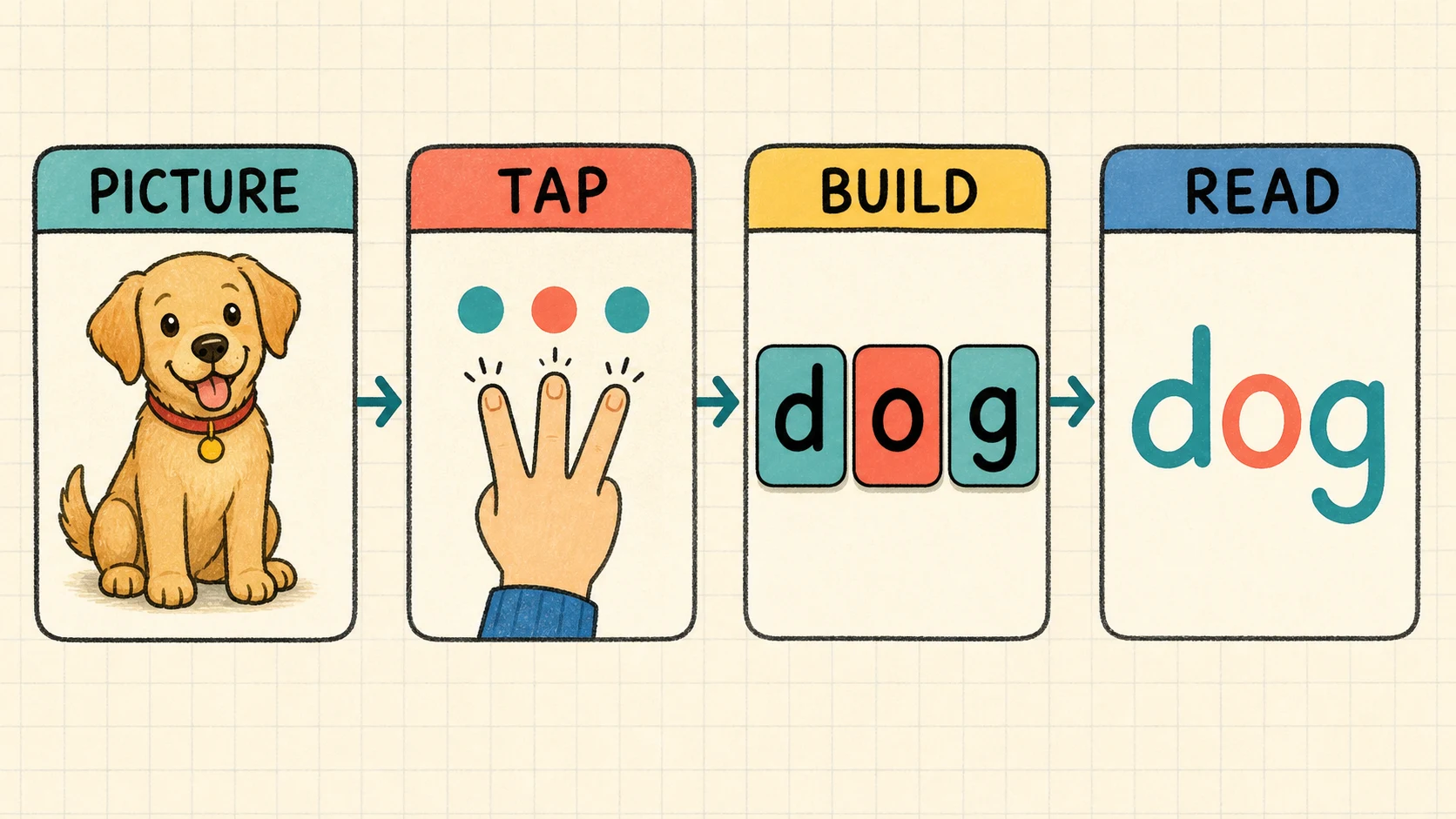
The CVC progression shows support fading while the word structure remains controlled enough for errors to be interpreted.
For a three- or four-year-old, do the chain orally or with large tiles in a brief adult-led exchange. Ask the child to match two spoken words that begin alike, move a token for each heard sound, or step once per sound. Avoid requiring a full seated worksheet merely because the catalogue uses an age or grade label. Age helps discovery; demonstrated skill guides the choice.
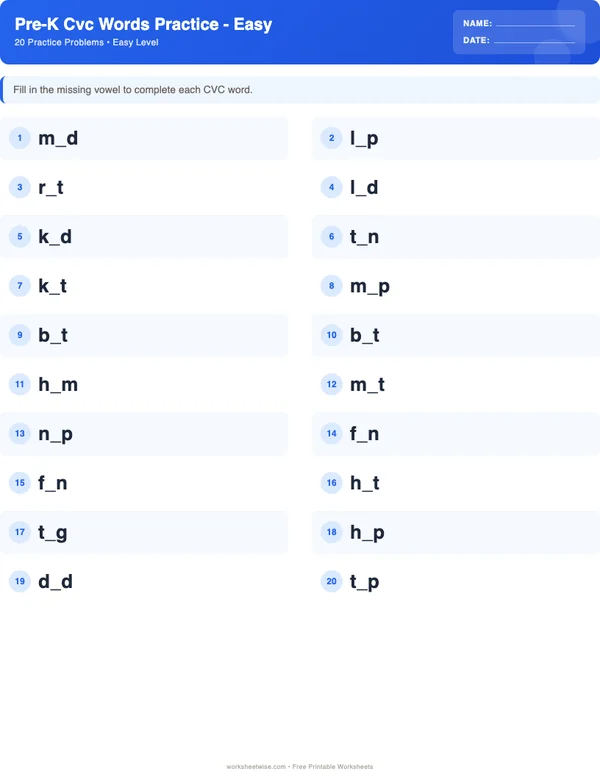
The Pre-K CVC Words guide and free sheet provides an introductory entry point. Its listed free sheet contains 20 problems and is marked easy, so use it to inspect foundations rather than assuming it represents this developing level.
Example 5: Discriminate short vowels before independent sorting
Say pen and pin. Ask the learner to repeat both words slowly, identify the middle sound, and place each beneath an e or i heading. Continue with the checked pairs set/sit and bed/bid. Then mix familiar examples with new CVC items for independent sorting.
This is developing practice because the word structure and consonants remain simple while the vowel contrast demands close listening. A picture may clarify meaning, but it should not reveal the vowel category. The visible strategy can be one counter in each of three sound boxes, with the middle box circled.
If a learner sorts correctly when the adult stretches each word but not when reading independently, the difficulty may be blending or print-to-sound access rather than vowel discrimination itself. Test the same words orally before changing the target.
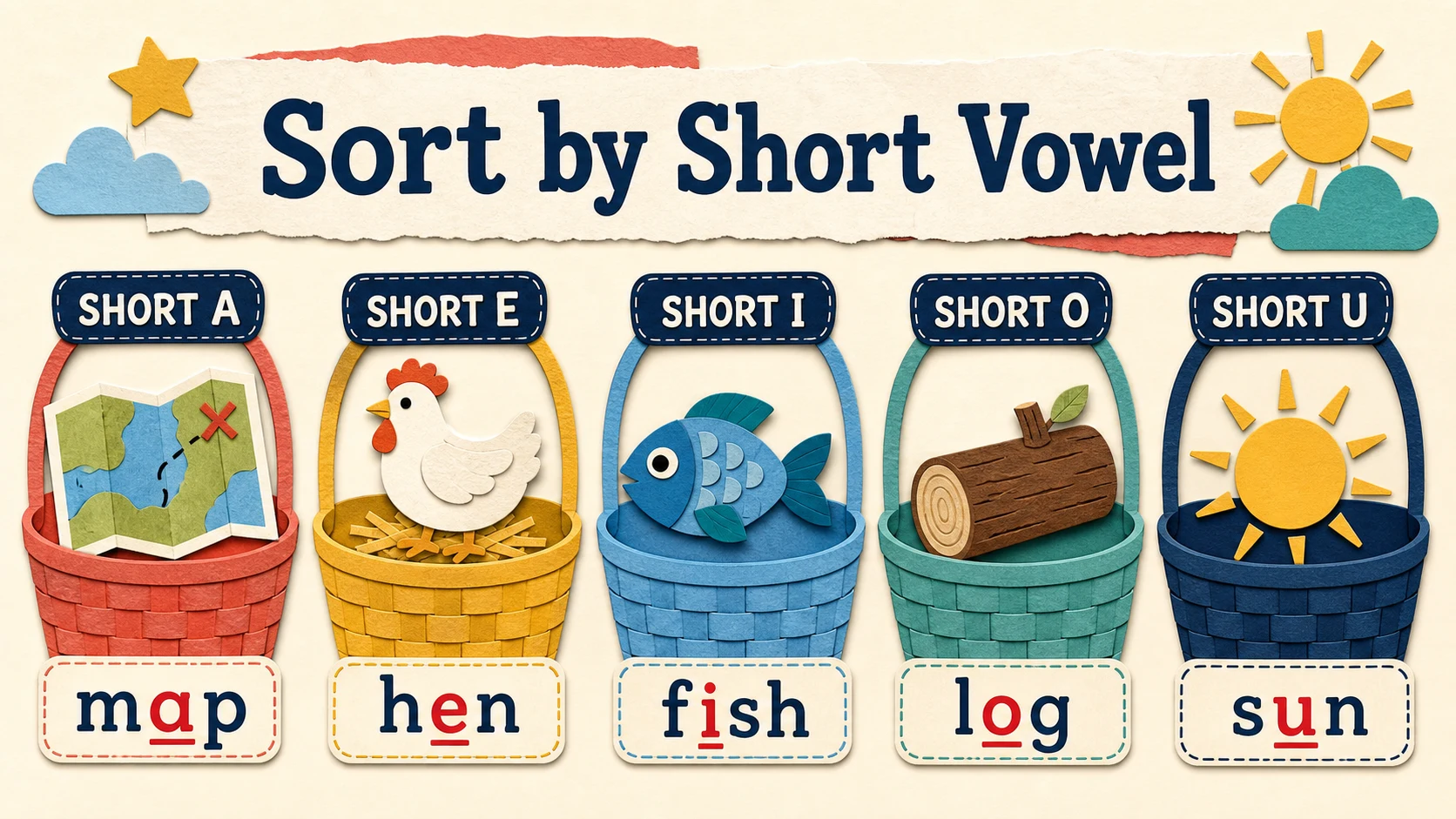
This short-vowel routine separates listening, decoding, and independent sorting so the adult can see where support is still needed.
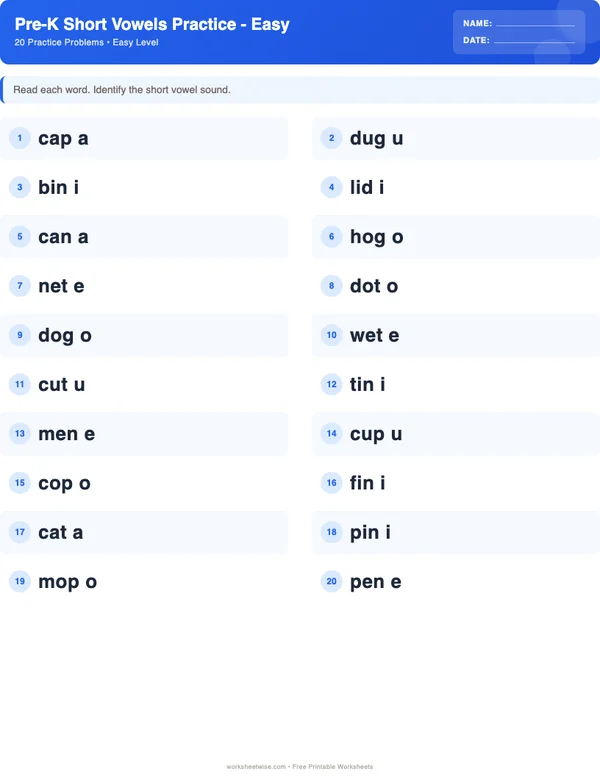
The Pre-K Short Vowels guide and free sheet is another easy-level foundation resource. Move to a developing set when the learner can identify at least one taught vowel reliably and can attempt the contrast without the adult naming the answer.
Control language load in problems and writing
Language can be the target, a necessary carrier of the target, or an accidental barrier. Decide which role it plays before revising a worksheet.
For a math word problem, preserve the mathematical relationship while simplifying nonessential syntax. For example:
“Maya packs 4 bags with 6 shells in each bag. How many shells does she pack?”
The quantities form four equal groups of six, so . A learner might draw four boxes with six marks in each, use repeated addition , or write the multiplication equation. Each is visible evidence of the equal-groups structure.
This problem belongs at a developing level when equal groups are familiar but the learner is beginning to choose a representation without being told which operation to use. It becomes less informative if an adult says “multiply” first. It becomes linguistically harder without becoming mathematically better if extra names, irrelevant events, or long subordinate clauses are added.
For a sixth-grade word-problem plan, vary the unknown position or representation across days while keeping review cumulative. A learner might first interpret a ratio table with headings supplied, later complete missing headings, and finally choose between a table and diagram. Do not infer that every sixth grader should use the same sequence.
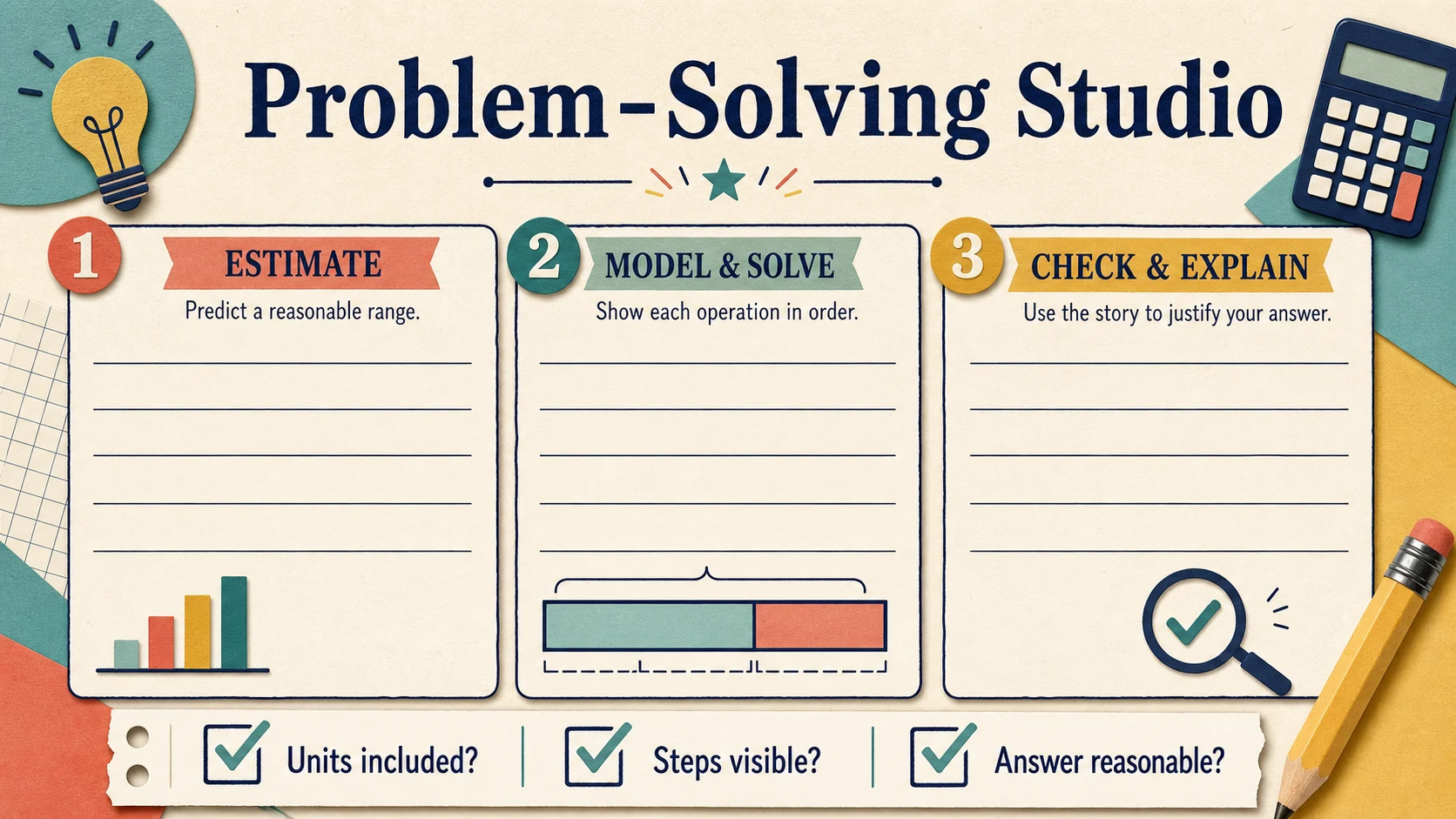
The two-week plan spaces familiar review among new problem structures instead of treating one successful day as permanent independence.
In writing, preserve the composition target by reducing unrelated transcription demand. If the goal is organizing a paragraph, allow a planning frame with “claim,” “evidence,” and “explanation” boxes. Fade the sentence starters before removing the planning boxes. If the goal is sentence construction, keep the topic familiar so idea generation does not consume the entire task.
The IES elementary writing guide recommends daily writing time, explicit instruction in the writing process, and teaching foundational writing skills. It does not prescribe any WorksheetWise page or guarantee a particular result. The proposed planning boxes are a practical adaptation consistent with keeping the intended writing process visible.
Preserve the target when making adaptations
An adaptation is useful when it removes an access barrier without completing the target skill. Start by writing a one-sentence target: “The learner will compare fraction sizes using a model,” or “The learner will identify the short vowel in a printed CVC word.”
Then make the smallest adjustment that protects that target.
Representation and motor access
If the target is fraction comparison, offer pre-drawn equal-size bars that the learner can shade. Do not provide bars already partitioned and shaded if partitioning is what the task measures. If handwriting is not the target, permit pointing, movable cards, oral explanation, or a scribe for the final notation.
For an introductory first-grade fractions routine, an adult might fold two identical paper strips: one into halves and one into fourths. The learner shades one half and two fourths, then aligns the strips and records . The equality is checked because both shaded lengths cover the same amount.
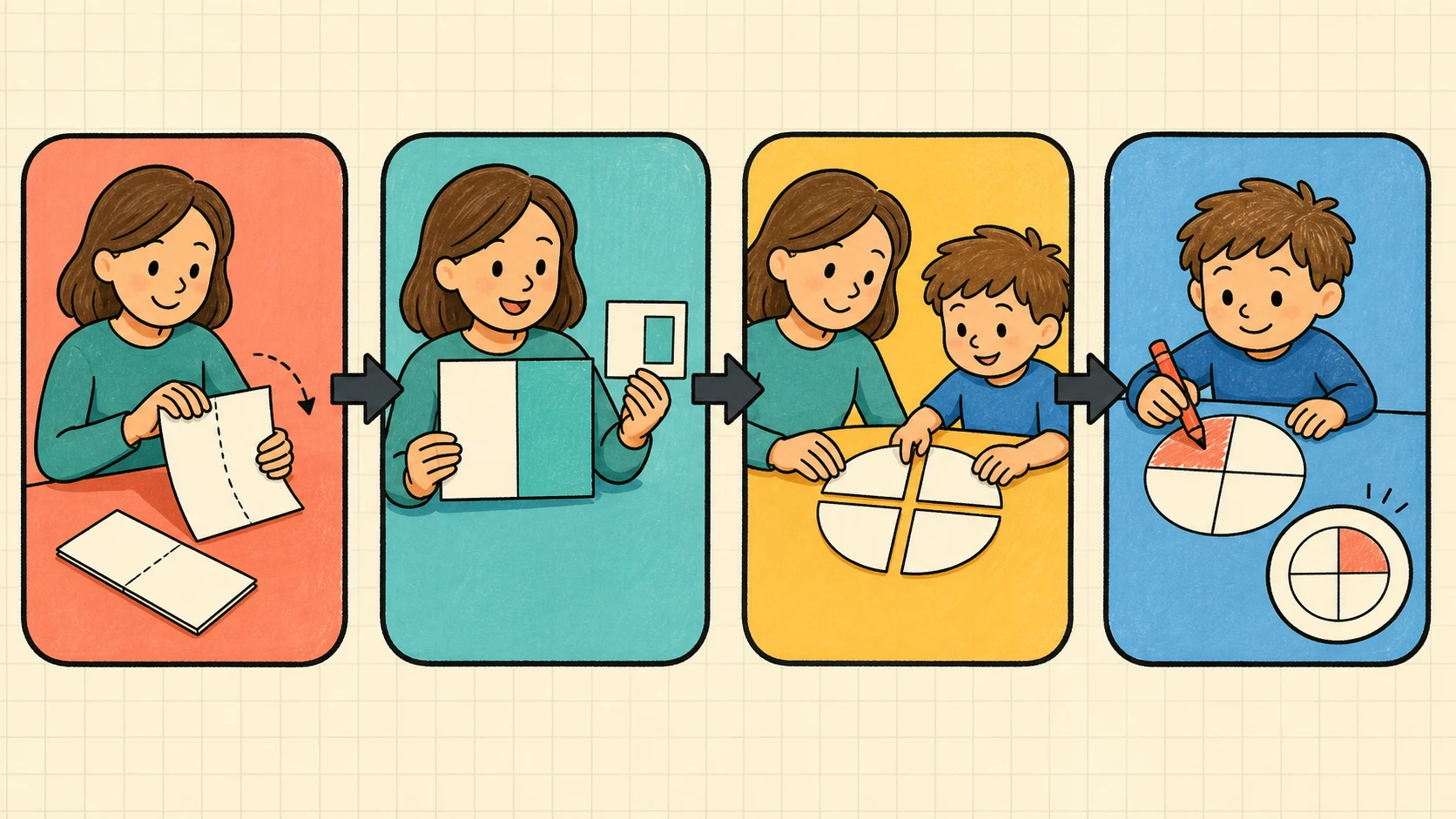
Equivalent shaded lengths keep the fraction relationship concrete before the symbols are reviewed independently.
This is developing rather than introductory recognition because the learner must connect two representations and justify equality. It would be too large a jump if equal partitioning, numerator and denominator language, equivalence, and symbolic comparison were all new.
Reading and language access
Read directions aloud when decoding the directions is not the target. Define a nonessential context word, but do not pronounce the phonics word being assessed. Break a multi-step direction into numbered parts without indicating the correct academic choice.
For multilingual learners, accept a drawing, gesture, equation, or brief oral explanation when those responses demonstrate the intended mathematics. Teach essential terms explicitly—such as “equal groups,” “vertex,” or “denominator”—and keep them consistent across examples.
Attention and workload
Cover unused rows, present four items at a time, or schedule a brief movement break. Keep the item type and reasoning demand intact. Reducing 20 repetitive items to eight representative ones can improve the quality of review, but select across the page: familiar, varied, and transfer items should all remain.
These are access suggestions, not diagnoses or individualized clinical recommendations. When a learner has documented accommodations, follow the applicable plan and coordinate with the responsible educator.
Read errors as evidence, not as a score label
Marking an item wrong is only the beginning. Compare the answer, the visible strategy, and the prompt level.
Correct answer, weak or absent strategy
Ask for a reconstruction: “Show how you know.” The learner may have calculated mentally, guessed, copied a pattern, or used an efficient method. Do not assume which. One follow-up item with a required representation can clarify.
For , ask the learner to connect 42 to , an array, or six equal groups. If the explanation is coherent, reduce the number of required drawings later; strategy visibility is a temporary window into reasoning, not permanent busywork.
Consistent conceptual error
If a learner counts 13 objects as 12 because one object is skipped each time, return to moving or touching each object. If a rotated square is called “not a square,” compare its properties with an unrotated square. If pen and pin are repeatedly merged orally, use listening and matching before requiring spelling.
Keep the number range or word set stable while repairing the concept. A larger or denser worksheet will not make the error easier to understand.
Accurate representation, calculation or transcription error
If four groups of six are drawn correctly but totaled as 22, the equal-groups concept may be intact while addition needs checking. Ask the learner to recount or use a known fact. If a writer states a clear sentence orally but omits letters while handwriting, separate composition review from transcription review.
Errors only after prompts disappear
The support may have been removed too quickly. Restore the lightest helpful cue—perhaps a blank bar, sound boxes, or a strategy menu—then fade it over two or three items. Avoid returning automatically to a fully worked example when a smaller cue is sufficient.
Record an observable statement: “Independently represented three of four equal-group problems; chose addition instead of multiplication once.” Avoid identity statements such as “is developing in math.”
Know the boundaries of a worksheet level
A worksheet is a sample of performance under particular conditions. It cannot by itself establish mastery, identify a disability, determine a grade placement, or explain why a learner struggled. Fatigue, unfamiliar wording, motor demands, prior instruction, language experience, and the adult’s prompts can all affect the response.
The Common Core mathematics and English language arts standards describe grade-level expectations, but standards are not a worksheet-difficulty scale. Local curricula may introduce, revisit, or assess content in a different order. Grade labels in this catalogue describe intended practice level only.
Do not move to a more demanding page solely because one page was completed accurately. Check whether the learner can:
- begin without being told the strategy;
- show or explain a method;
- handle a less familiar example;
- notice or correct an error;
- repeat the performance after a delay.
Likewise, do not move automatically to an easy page after one difficult session. First reduce language, shorten the set, restore one representation, or return to a shared example. If the learner still cannot begin after clear instruction, choose a narrower prerequisite and seek guidance from the learner’s teacher when appropriate.
Make the next worksheet decision observable
At the end of a session, choose one next action from evidence:
- Keep the level and vary examples when the learner is accurate with prompts but has not yet transferred the strategy.
- Keep the target and fade one scaffold when the learner uses the strategy correctly across familiar and less familiar items.
- Reduce one task demand when the learner understands the target but language, layout, range, or writing load interferes.
- Return to a prerequisite when the representation reveals a conceptual gap.
- Increase the reasoning demand when the learner starts independently, explains the method, and checks a varied example.
Write the decision in concrete terms: “Next time, give three multiplication items without the decomposition frame but keep the array option,” or “Repeat the e/i oral contrast before asking for printed sorting.” That is more useful than assigning a broad level to the learner.
For the next session, open the free deterministic worksheet generators and create a short set that changes only one feature—such as the number range, word mix, or presence of a model. Model one item, solve two together, require a visible strategy on three independent items, and review those items immediately before deciding what support to fade next.
Put it into practice
Use the guide with a real printable
Move from explanation to a short, observable practice task. Check the first item together, then adjust the next session from the learner's actual work.
Open the first free worksheetExplore a neighboring collection
Choose by a different teaching need
Advanced Worksheets Across Grades and Subjects Easy and Beginner Worksheets Across Grades and Subjects After-School Worksheets With Answer Keys After-School Grammar Worksheets After-School Math Worksheets After-School Phonics Worksheets After-School Spelling Worksheets Formative Assessment Worksheets With Answer Keys