Curated collectionAnswer keys includedPrint-ready PDFs
Advanced Worksheets Across Grades and Subjects
Increase reasoning, representation and transfer demands without merely making print smaller or adding busywork.
Start with a real resource
Browse this worksheet collection
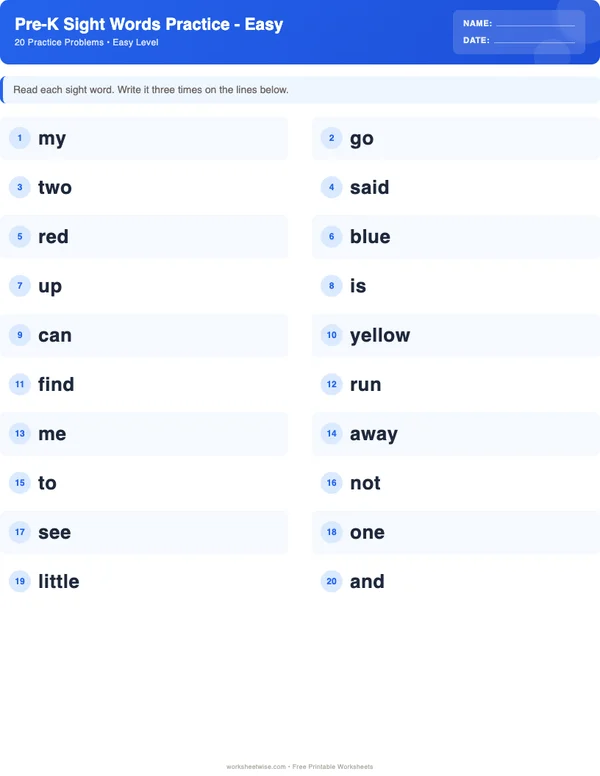
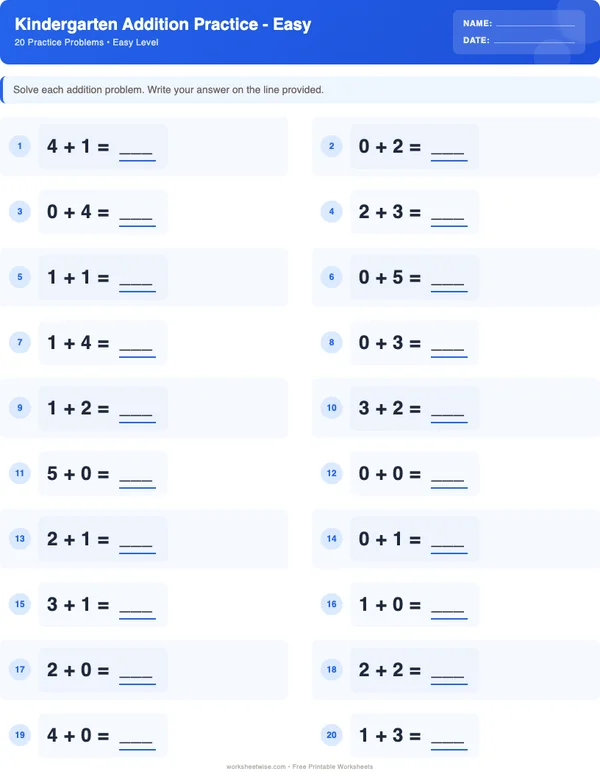
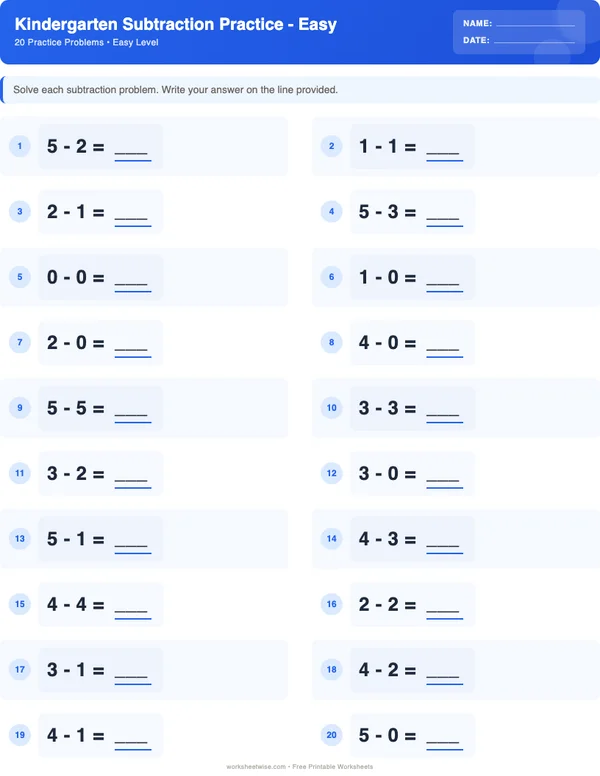
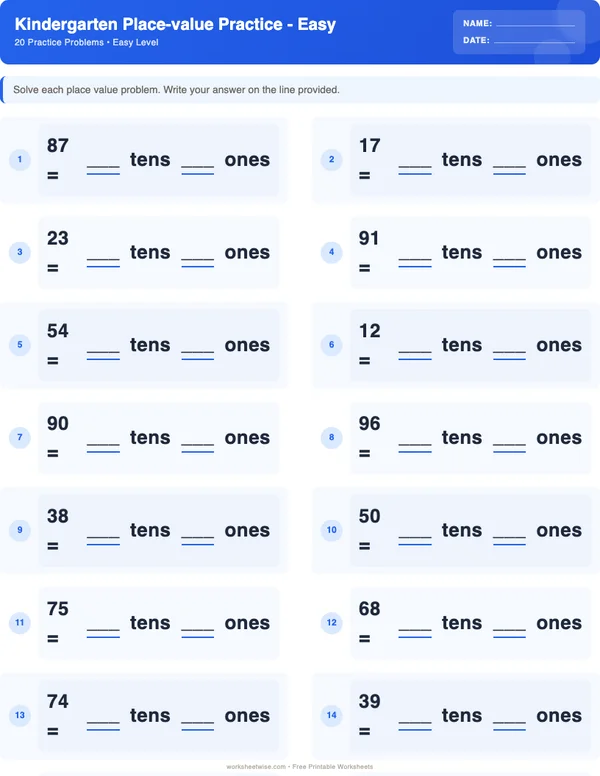
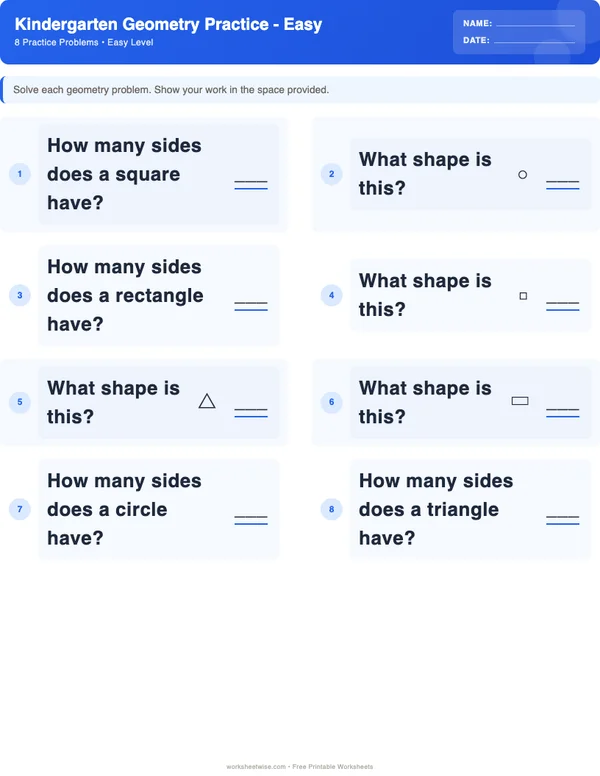
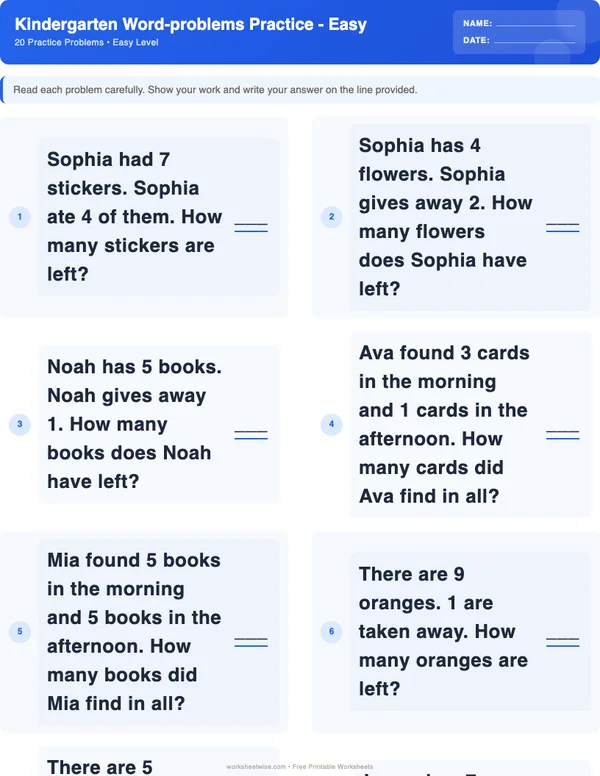
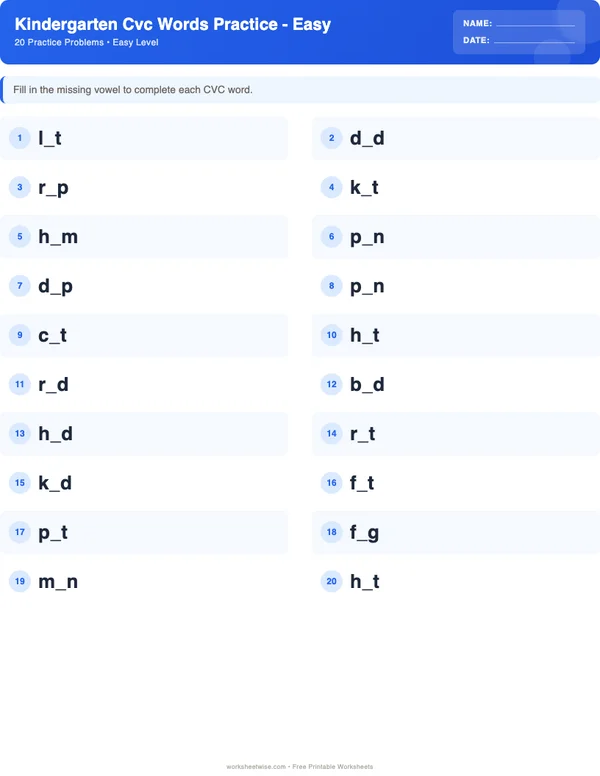
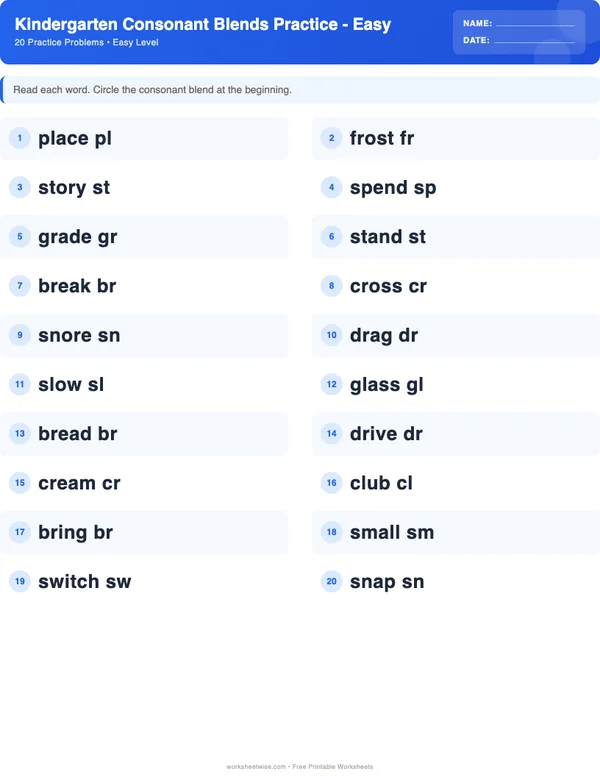
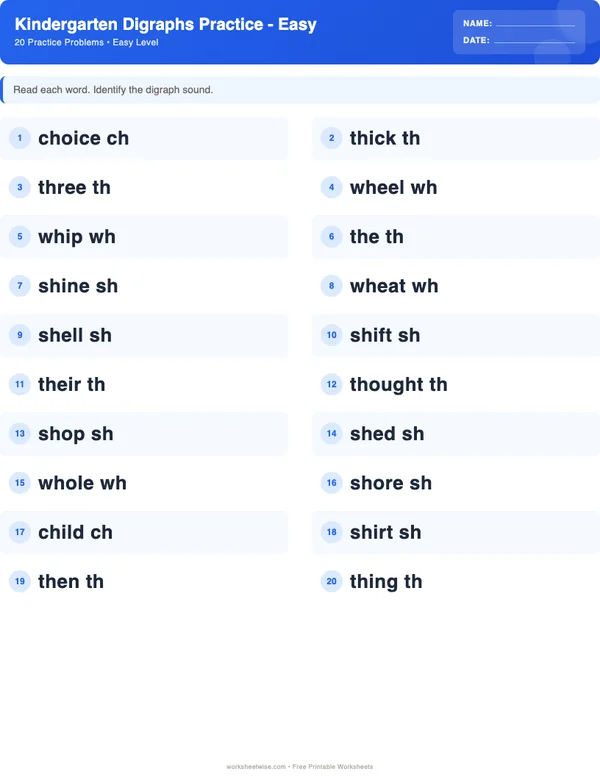
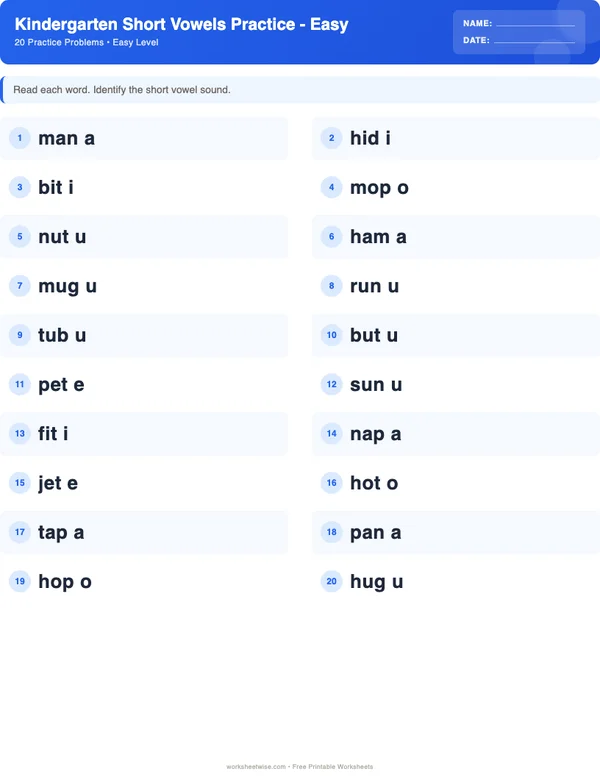
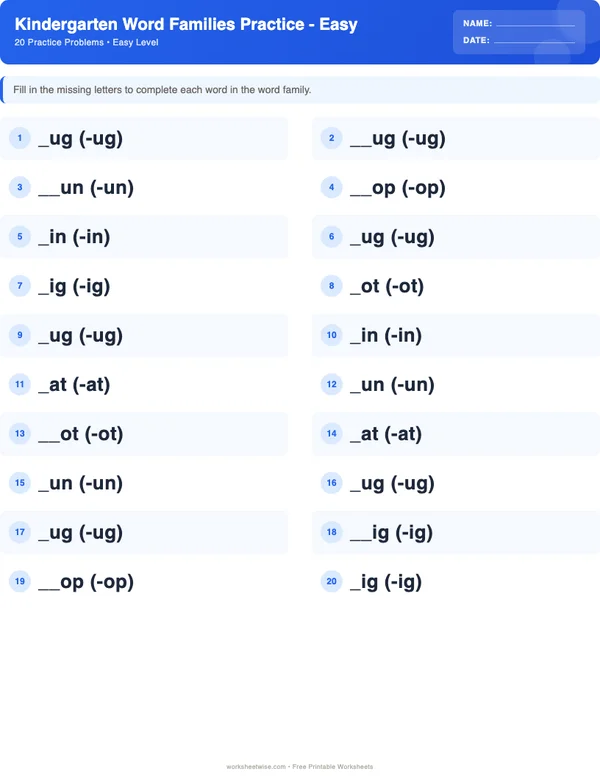
107 relevant free entry points are available. Each one includes a printable learner PDF and separate answer key.
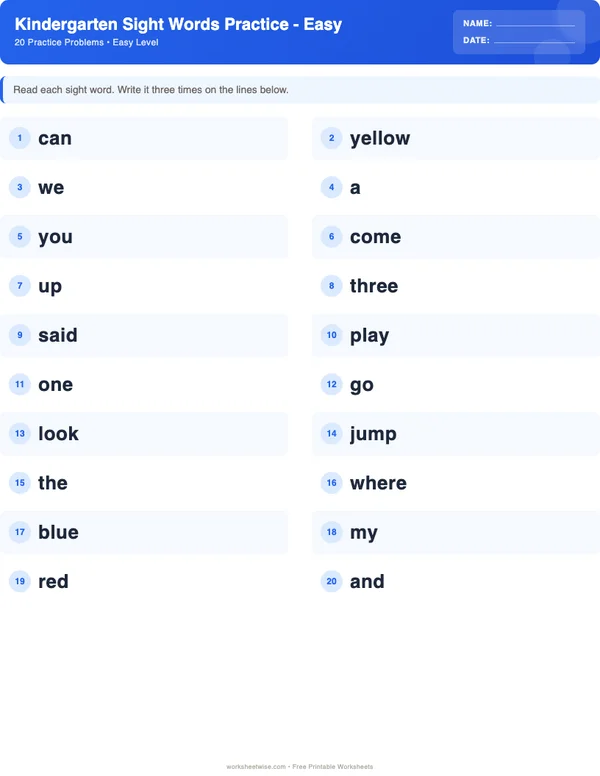
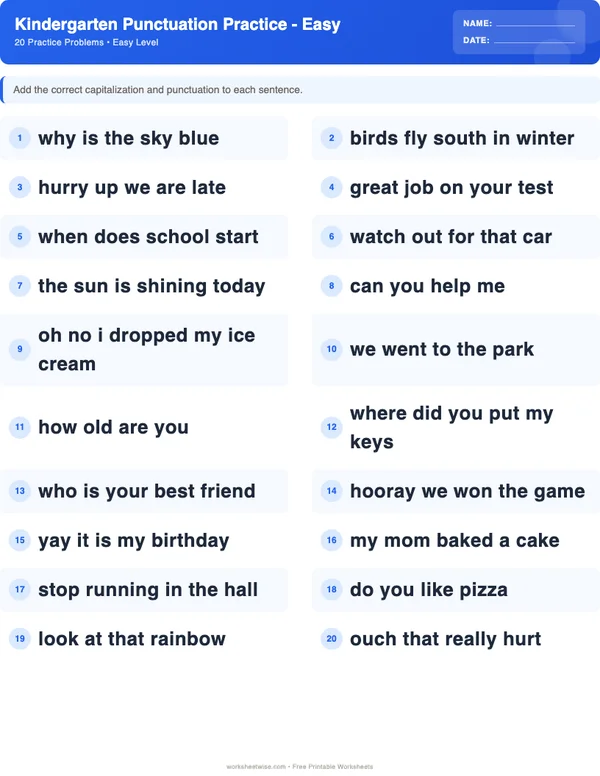
A useful practice loop
Print less. Observe more.
- Choose one skill and model the first item aloud.
- Use a short set and notice the learner’s strategy.
- Change the next task from the work you can see.
Need more than the free sheet?
Plus includes all 642 matching catalogue variations where available, plus saved deterministic generators and the worksheet designer.
See Plus membershipExplore advanced worksheets across grades and subjects by subject or level
Complete guide
How to teach and practise advanced worksheets
3,315 words Updated 6 instructional visuals
What makes an advanced worksheet genuinely advanced?
An advanced worksheet increases the demand for reasoning, representation, explanation, and transfer. It does not become advanced merely because it has more questions, larger numbers, denser print, or less workspace.
Look for visible task features such as:
- choosing a method instead of following a named procedure;
- moving between objects, drawings, symbols, tables, words, or equations;
- explaining why an answer is reasonable;
- comparing two strategies or identifying an incorrect one;
- applying a familiar skill in an unfamiliar situation;
- deciding which information matters;
- completing several connected steps with decreasing adult support.
“Advanced” describes the demands of a particular task. It must not become a fixed label for a learner. A child may independently solve advanced multiplication problems while needing explicit support with grade-level fractions or written explanations. Select the level separately for each skill.
The live WorksheetWise catalogue currently groups 642 advanced variants across eight grade labels, four subjects, and 23 topics. Those grade labels describe intended practice levels, not universal placements. Local curriculum sequences differ, and neither age nor a worksheet result establishes a diagnosis.
Select the task by evidence, not reputation
Begin with a small sample rather than assigning a full packet. The purpose is to see what the learner can do under clearly defined conditions.
Confirm the underlying skill first
Ask for two or three direct examples of the prerequisite skill. Before assigning a multi-step money problem, for example, check whether the learner can identify the coins or values involved and perform the required computation. Before asking for a written comparison of two fraction strategies, check whether the learner can represent each fraction.
Use these selection criteria:
- Accuracy: Can the learner complete the underlying operation or decoding pattern?
- Representation: Can the learner show the idea with a model as well as symbols?
- Language: Can the learner understand the directions and essential vocabulary?
- Explanation: Can the learner state what was done and why?
- Transfer: Can the learner recognize the same idea in a changed context?
- Independence: Which supports are still needed—adult reading, a model, a prompt, or a checklist?
A productive advanced task usually adds one major demand at a time. If the underlying computation, vocabulary, format, context, and independence requirement all change together, an incorrect answer reveals very little about the cause.
The IES mathematics intervention guide recommends systematic instruction, clear mathematical language, carefully selected representations, number-line use, and deliberate word-problem instruction. That is sourced guidance for instruction generally; it is not an assessment of WorksheetWise. A practical implication is to retain useful representations while increasing the decisions a learner must make with them.
Treat age and grade as discovery aids
Age and grade help adults find plausible material. They do not make the placement decision. A fifth grader reviewing an unfamiliar fraction representation may need a more explicit page than a third grader who has already studied that representation. Conversely, an early-grade learner may be ready to explain a sophisticated pattern while still using small numbers.
For ages three and four, prioritize brief adult-led oral, matching, manipulative, and movement activities over desk work. Even when a young child demonstrates strong counting, an appropriate extension might be to build two sets, decide which has more, and explain the decision—not to complete a crowded page of tiny numerals. The IES early-mathematics guide recommends developmental progressions, progress monitoring, and helping children describe their world mathematically. Those principles support responsive choices; they do not justify accelerating every topic.
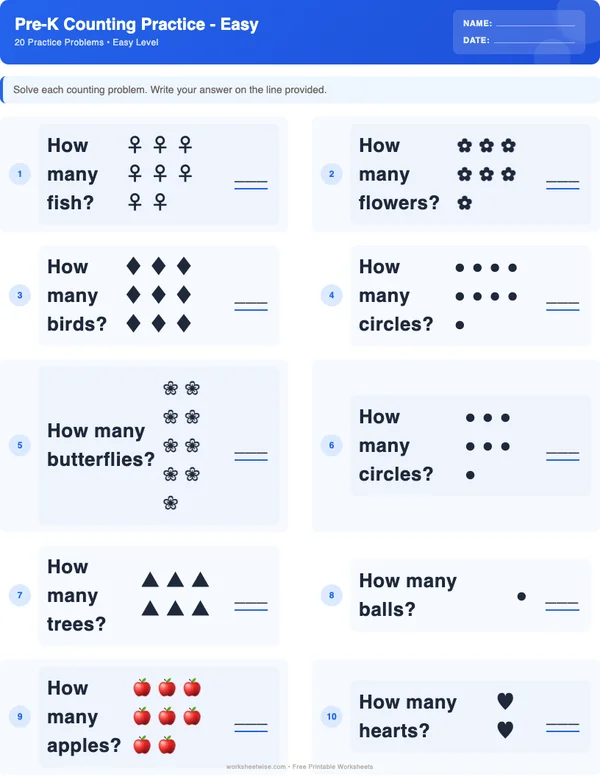
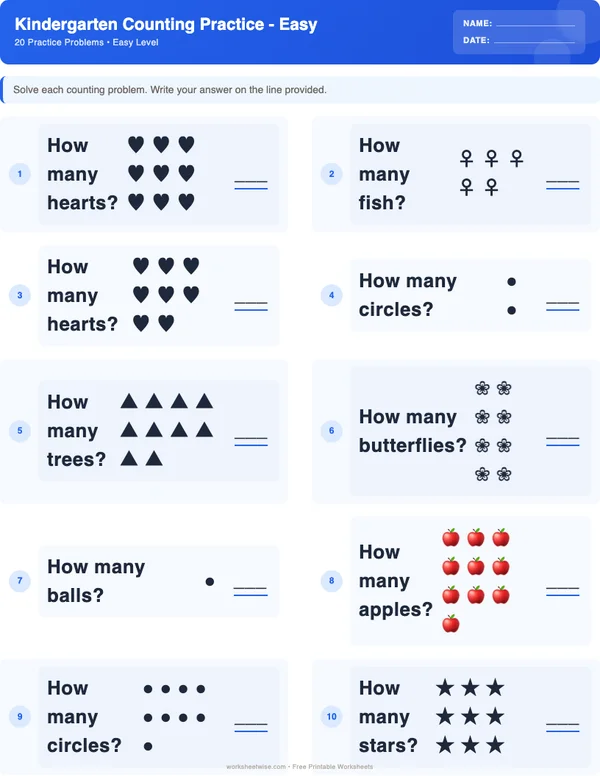
Families working on early quantity can begin with the Pre-K Counting guide and free sheet. The catalogue’s verified Pre-K counting entry has 20 problems and an easy free sheet. Use that entry point to observe one-to-one correspondence before adding comparison, justification, or a changed arrangement.
Adjust five levers without changing everything at once
Difficulty is easier to control when adults distinguish five separate levers.
Number range
A larger number range can increase calculation load, but it does not automatically increase reasoning. Compare:
4,382 + 2,416using a prescribed algorithm;- “Find two different pairs of four-digit numbers with a sum of 6,798. Explain how you know both pairs work.”
The first uses larger numbers but gives one direct computation. The second requires construction, checking, and explanation. If the target is place-value reasoning, keep the arithmetic manageable enough that calculation errors do not bury the intended idea.
For fractions, changing denominators from 2 and 4 to 6 and 8 may increase procedural load. Asking whether 5/8 is closer to 1/2 or 1, with a number-line justification, changes the reasoning demand. Decide which change serves the lesson.
Representation
Increase demand by asking the learner to connect, select, or critique representations:
- build a quantity with blocks, draw it, and write its expanded form;
- match an analog clock to a time statement, then explain the position of each hand;
- represent a fraction with an area model and a number line;
- sort words by spelling pattern, then use the pattern to decode an unfamiliar word.
Do not remove a representation simply to make a page harder. A visible model can support more advanced reasoning than a bare equation because it makes relationships available for discussion.
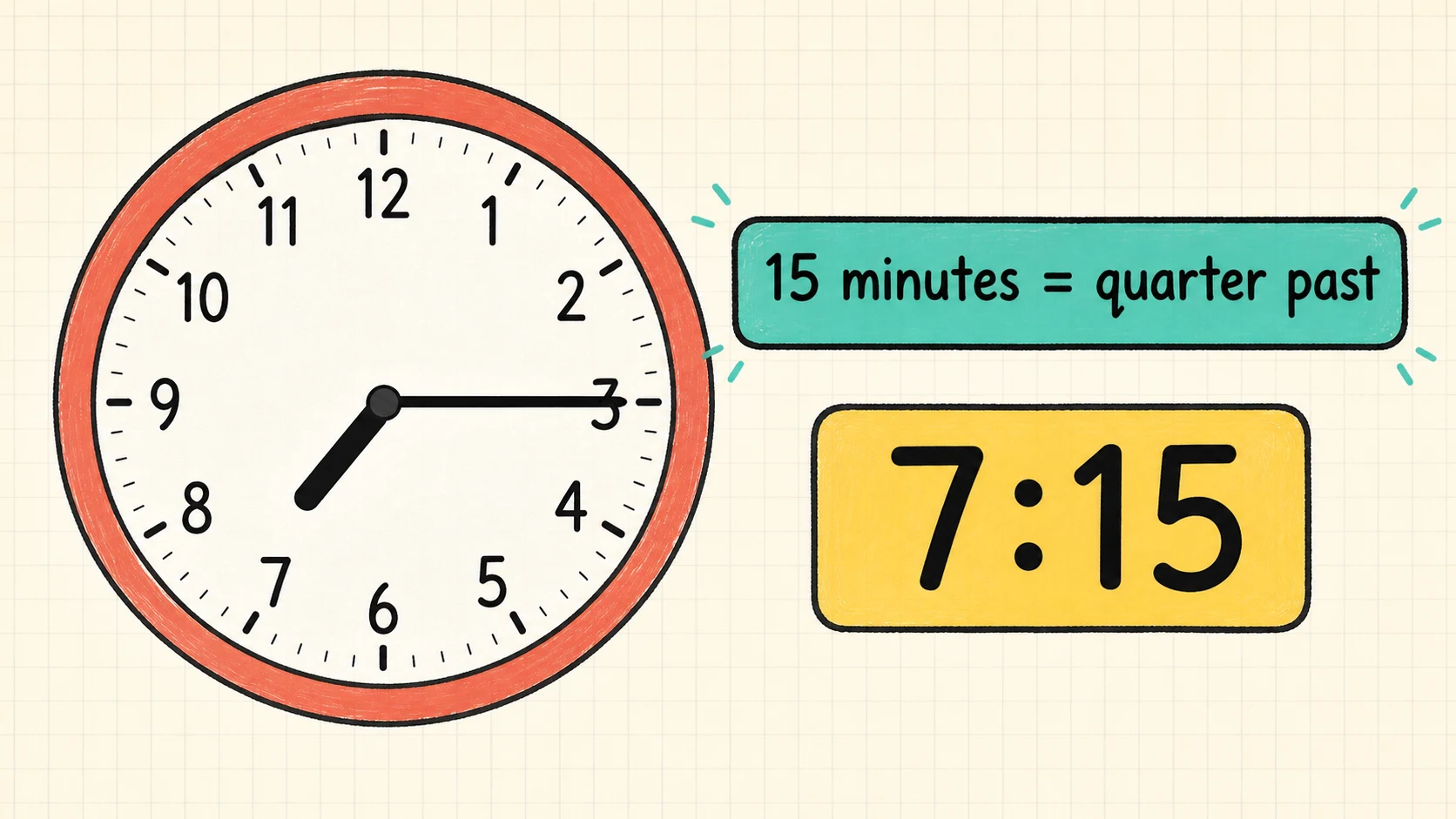
An advanced telling-time task connects the clock face, spoken time, and written notation instead of asking for more isolated readings.
Checked example 1: first-grade telling time. Show a clock with the minute hand on 6 and the hour hand halfway between 3 and 4. Ask: “Mia says it is 4:30 because the hour hand points toward 4. Is she correct? Write the time and explain.”
The checked answer is 3:30. Thirty minutes have passed since 3:00, so the hour hand has moved halfway toward 4 but has not reached 4:00. This belongs at the advanced practice level because the learner must interpret two coordinated representations and evaluate another person’s claim. Making ten more clocks would add volume, not the same reasoning.
Language load
Language can be the target, a useful support, or an accidental barrier. Compare these directions:
- “Circle the greater fraction.”
- “Without calculating a decimal, determine which fraction is greater. Use a benchmark or representation to justify your answer.”
The second direction raises reasoning and mathematical-language demands. That may be appropriate when explanation is part of the target. If the target is fraction comparison rather than reading comprehension, read the prompt aloud, define benchmark, or provide a sentence frame: “___ is greater because ___.”
In phonics, keep oral directions simple while the word-level demand increases. In writing, however, planning, sentence construction, revision, and audience awareness may be the actual targets. The IES elementary-writing guide recommends daily writing time, explicit instruction in the writing process, instruction in foundational writing skills, and a supportive community of writers. An advanced writing page should therefore invite planning, composing, evaluating, or revising—not merely require a longer copied response.
Scaffolds
A scaffold changes access, not the learning goal. Useful options include:
- one completed example;
- a word bank containing only essential terms;
- movable counters or letter tiles;
- a blank number line;
- a place-value chart;
- a problem-solving checklist;
- sentence starters for explanation;
- fewer items with more room to represent thinking.
Fade one support only after observing that the learner no longer uses it productively. Removing every support at once turns independence into a guessing test.
Independence
Separate “can solve” from “can organize the work alone.” A learner may reason correctly after an adult reads the problem and asks, “What are you trying to find?” That performance shows more than a blank response, but it also identifies a support still needed.
Progress through distinct conditions:
- adult models one example;
- learner completes a parallel example with prompts;
- learner completes one with a checklist;
- learner completes one without prompts;
- learner applies the idea in a changed context.
Record the least support needed. Do not summarize the learner with a level label.
Use advanced demands differently across subjects
Mathematics: choose, connect, and justify
Advanced mathematics tasks should expose mathematical relationships. They can ask learners to select an operation, compare methods, estimate before calculating, use two representations, or decide whether an answer is possible.
Checked example 2: third-grade money. “A notebook costs $2.35 and a pen costs $1.80. You pay with $5.00. Find the change in two ways and explain how the methods agree.”
Method one: 2.35 + 1.80 = 4.15, then 5.00 − 4.15 = 0.85.
Method two: count up from $4.15: $0.05 reaches $4.20, $0.80 reaches $5.00, and $0.05 + $0.80 = $0.85.
The change is $0.85. This belongs here because the learner must coordinate decimal notation, addition or subtraction, and a comparison between strategies. The numbers themselves are not what make it advanced.
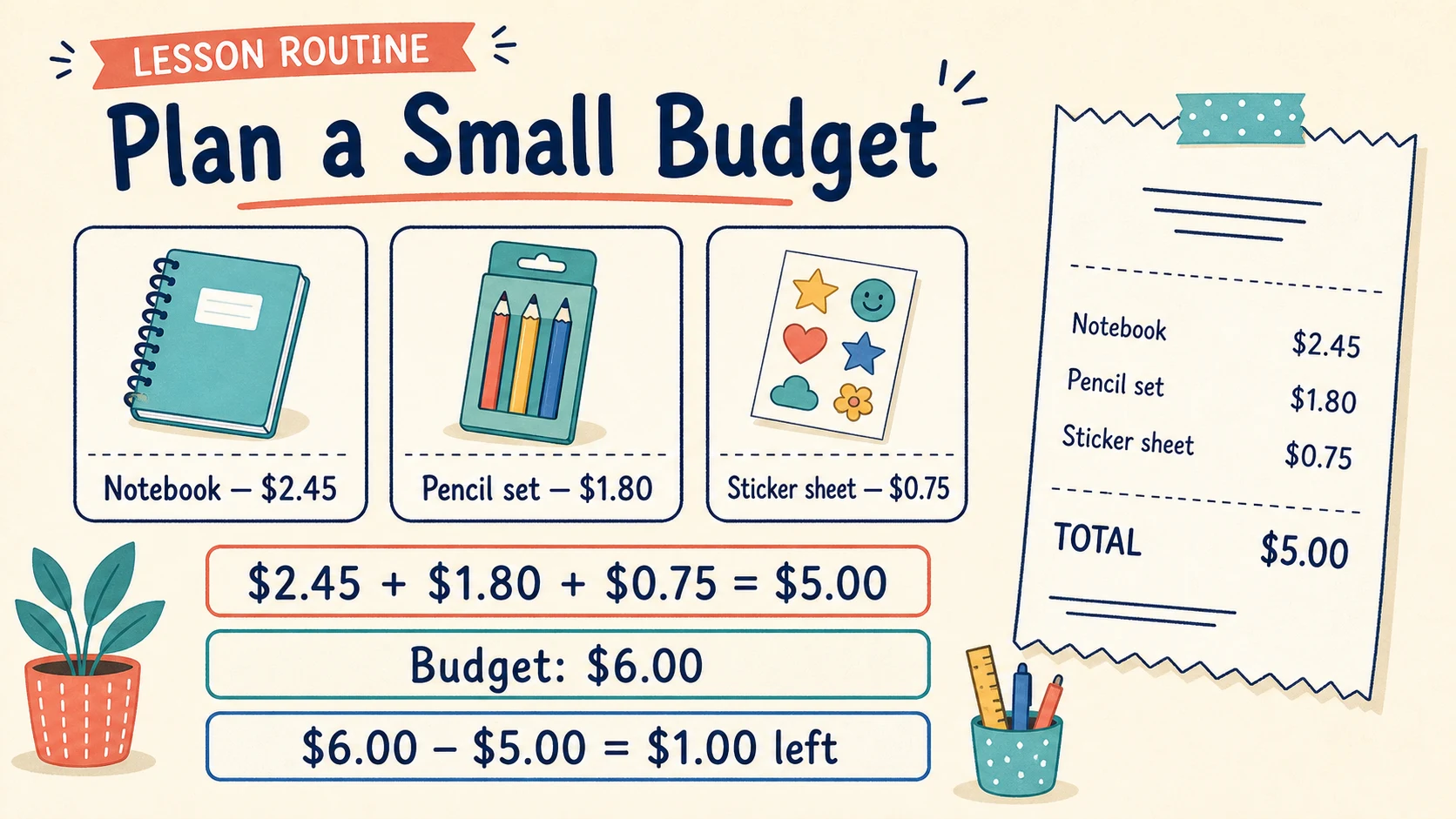
A short money routine leaves time to estimate, represent, calculate, and compare rather than racing through unrelated items.
Checked example 3: third-grade place value. Ask: “Use the digits 3, 5, 7, and 9 exactly once to make the greatest number less than 8,000. Then write it in expanded form.”
The thousands digit must be 7 because 9 would make the number greater than 8,000, and 7 is the greatest remaining legal choice. Arrange the remaining digits in descending order: 7,953. Its expanded form is 7,000 + 900 + 50 + 3.
This is advanced place-value practice because the learner must satisfy a constraint, maximize a number, and translate between standard and expanded form. It is not just a longer comparison exercise.
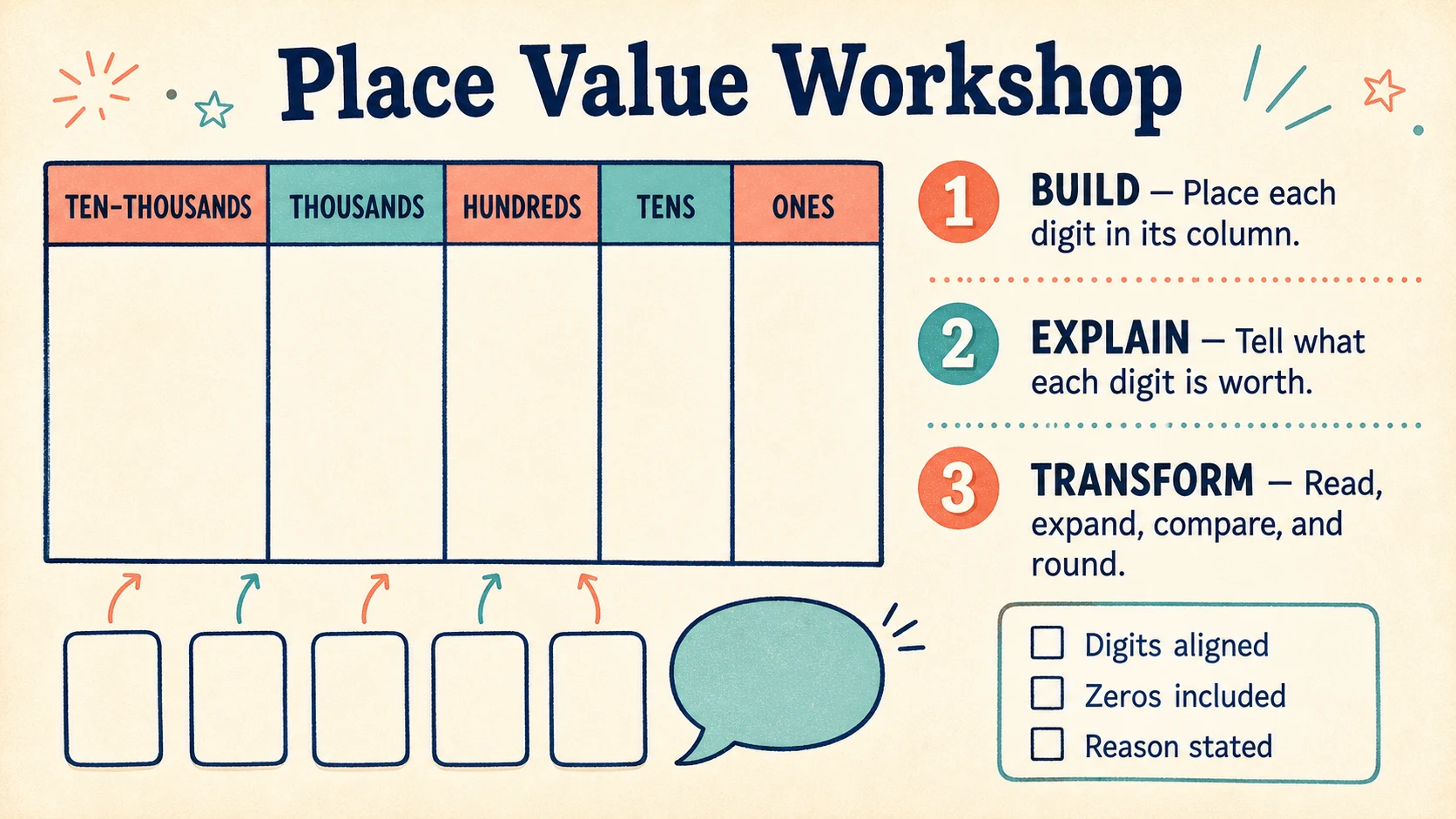
Distributed place-value review can revisit one relationship through comparison, construction, and representation instead of repeating a single format.
For focused computation after conceptual checks, explore Advanced Multiplication Worksheets or Advanced Division Worksheets. Select a page because its task features fit the current skill, not because the topic name sounds appropriately challenging.
Phonics and reading: transfer the pattern into words and text
An advanced phonics task retains explicit attention to sound-spelling relationships while asking for discrimination, manipulation, spelling, or reading in connected text. It should not replace decodable words with unnecessarily difficult vocabulary.
The IES foundational-reading guide recommends linking speech sounds with letters, teaching decoding and word analysis, pairing reading with writing or word recognition, and providing daily connected-text reading. This guidance supports a progression from an isolated pattern to application. It does not mean every connected passage is automatically suitable.
Checked example 4: first-grade consonant blends. Present the chain:
lap → clap → clam → clamp
Ask the learner to read every word, identify the single change at each arrow, and build the chain with letter tiles.
The checks are:
lap → clap: addcto create the initial blend/kl/;clap → clam: replace finalpwithm;clam → clamp: add finalp, producing the final blend/mp/.
This belongs here because the learner must preserve earlier sounds while tracking one orthographic change at a time. If the learner reads clap as cap or clamp as clam, the error shows a dropped consonant, not carelessness.
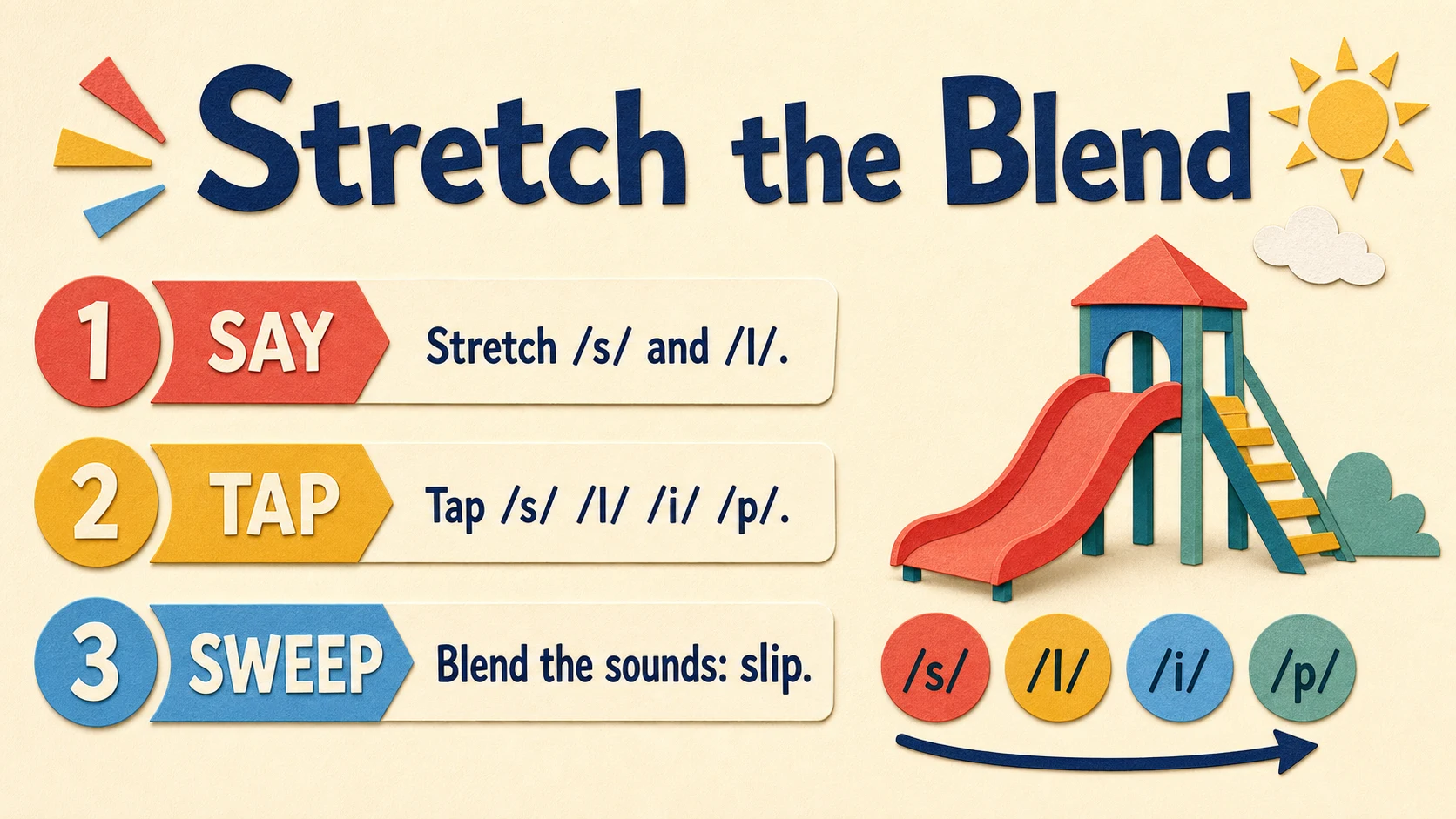
Advanced blend practice asks the learner to retain every sound while moving from oral analysis to word building and connected reading.
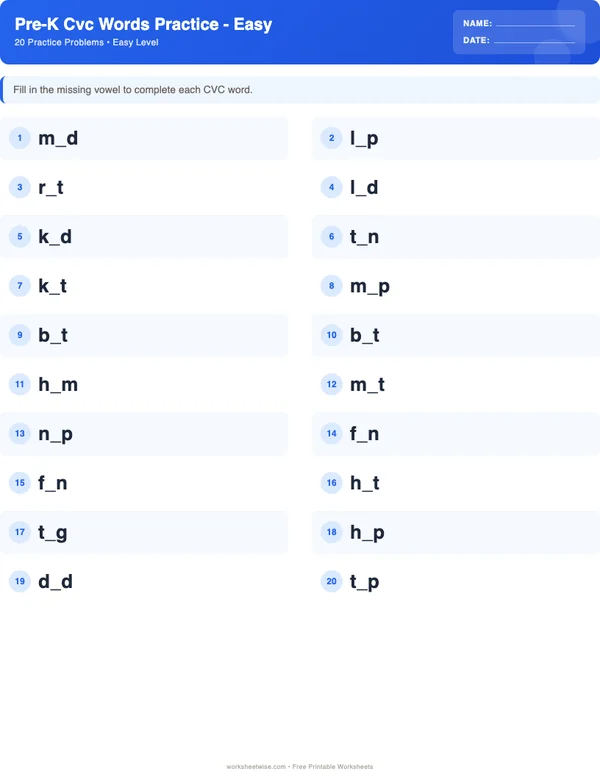
If CVC decoding is not yet secure, step back to the Pre-K CVC Words guide and free sheet. Its verified free sheet is an easy, 20-problem entry point. That is a skill-specific adjustment, not a judgment about the learner’s overall reading ability.
Writing: create and revise for a reason
A suitable advanced writing task might provide a short paragraph with an unclear sequence and ask the learner to revise it so a reader can follow the events. Another might ask for two openings aimed at different audiences, followed by a comparison of the language choices.
For example, give: “We planted the seed. It grew. We put soil in the cup. We watered it.”
A checked revision could be: “First, we put soil in the cup and planted the seed. Then we watered it. After several days, the seed began to grow.” Other revisions may also work. The task belongs here when the learner must reason about sequence and reader understanding, not when success depends on reproducing one preferred sentence.
Preserve the writing target for a learner with handwriting difficulty by allowing oral rehearsal, speech-to-text, dictation to an adult, or typing. If revising for sequence is the target, handwriting speed should not determine whether the learner can demonstrate it.
Geometry and applied reasoning: vary the case, not the decoration
A strong geometry extension changes the relationship under investigation. Ask learners to build two rectangles with an area of 12 square units and compare their perimeters. A 3 × 4 rectangle has perimeter 14 units; a 2 × 6 rectangle has perimeter 16 units. Equal area does not require equal perimeter.
This is advanced because the task challenges an overgeneralization and requires two constructed cases. Adding elaborate borders, more shape names, or cramped diagrams would not increase the mathematical value.
Follow a short routine that makes thinking visible
Use a repeatable 15- to 25-minute routine. Shorten it when attention, age, or the task requires.
Preview the target and remove accidental obstacles
State one target: “Today you will compare two ways to find change.” Check whether the learner understands the directions and essential terms. Supply ordinary tools—pencil, counters, number line, letter tiles, or scratch paper—before work begins.
Model one decision
Think aloud about the decision, not every keystroke: “I need the amount left from five dollars, so I can subtract. I could also count up from the total.” Keep the worked model available if remembering the procedure is not the target.
Attempt, explain, and compare
Have the learner complete one parallel item. Ask one precise question:
- “What does this part of your drawing represent?”
- “Why can the hour hand be between two numbers?”
- “Which sound disappeared when you read that word?”
- “How do both methods show 85 cents?”
Avoid taking over after the first pause. Wait, then offer the smallest useful prompt.
Transfer once
Change one feature: context, orientation, representation, unknown position, or required explanation. Do not change all of them. A learner who solves a money problem with coins might next solve the same structure from a price list without pictures.
Record the next instructional decision
Write one observable note: “Compared fractions accurately with a number line; could not justify the comparison without a sentence frame.” That note leads to a decision. “Advanced at fractions” does not.
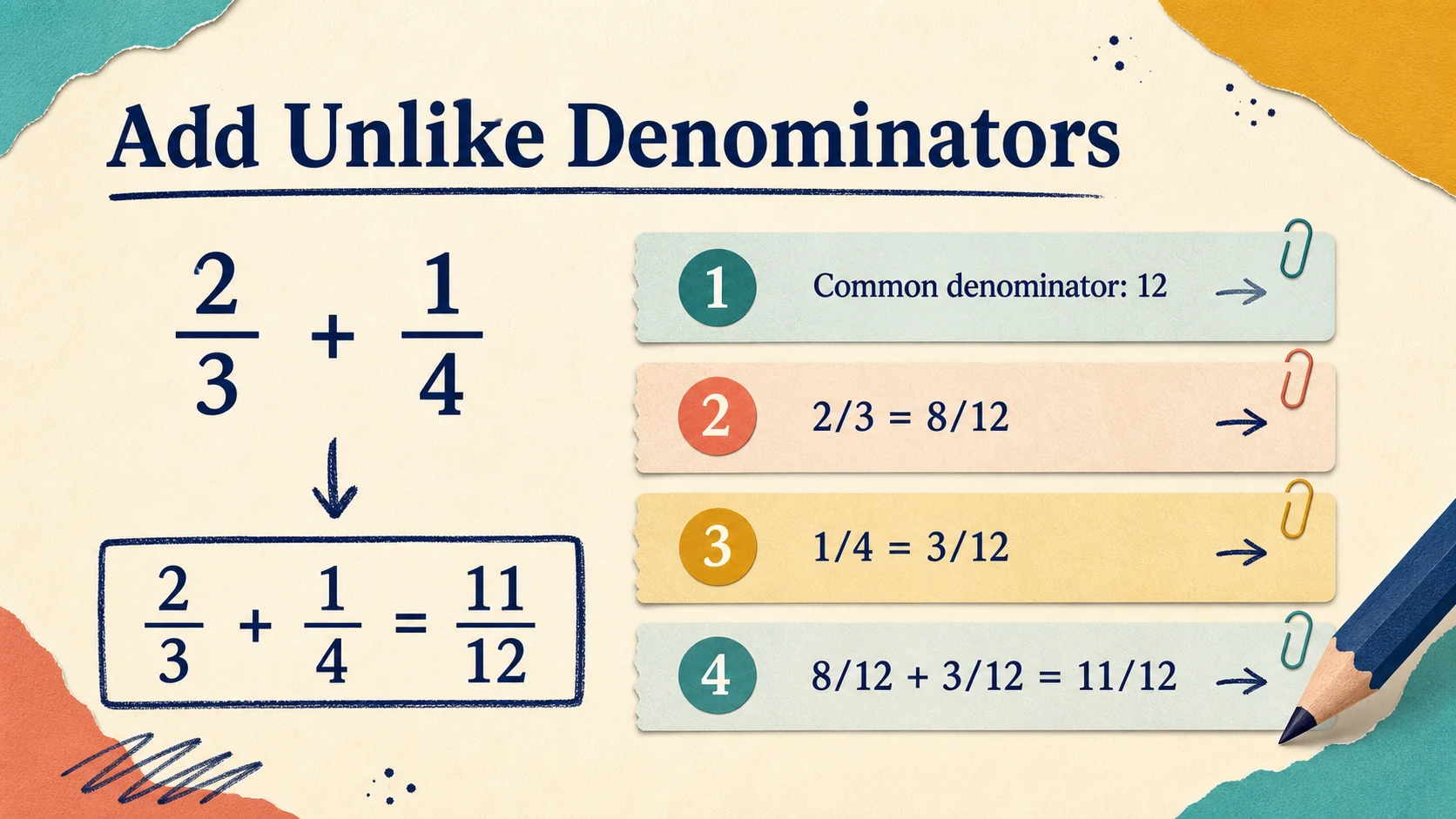
A worked fraction example should connect a model to the symbolic procedure before independent transfer.
Adapt access while preserving the target skill
An adaptation is sound when the learner still performs the intended thinking.
If the target is choosing an operation in a word problem, an adult may read the text aloud. If the target is reading the problem independently, adult reading would remove part of the target. If the target is fraction equivalence, provide larger diagrams or precut fraction pieces; do not supply the equivalent fraction.
Useful adaptations include:
- reduce the item count while retaining every task type;
- enlarge print and workspace without simplifying the reasoning;
- cover later items to reduce visual competition;
- read directions aloud when decoding is not being assessed;
- replace copying with pointing, selecting, typing, or oral explanation;
- provide manipulatives while requiring the learner to connect them to symbols;
- divide a multi-step task into visible checkpoints;
- allow a vocabulary reference while keeping the application unfamiliar;
- use familiar names and contexts without signaling the operation.
Avoid “support” that performs the key decision. Highlighting all subtraction words, drawing the decisive bar model, or naming the operation can change a reasoning task into execution practice.
Read errors as evidence about the task
An incorrect answer is a starting point for interpretation, not proof of a broad weakness. Ask the learner to reconstruct the thinking while the work is still visible.
Separate conceptual, procedural, language, and recording errors
Consider 2/3 + 1/4 = 3/7. The learner may have added numerators and denominators because:
- fraction addition is being treated like whole-number addition;
- the learner does not understand why common-sized parts are needed;
- a previously learned multiplication pattern was overgeneralized;
- the learner followed a remembered but incorrect rule.
Use a picture or number line and ask whether 3/7 should be greater than 2/3. Since 2/3 is already about 0.667 and 3/7 is about 0.429, the proposed sum is smaller than one addend and cannot be reasonable for two positive fractions.
A correct calculation is:
2/3 = 8/12 and 1/4 = 3/12, so
2/3 + 1/4 = 11/12.
The representation and reasonableness check expose more than simply marking the item wrong.
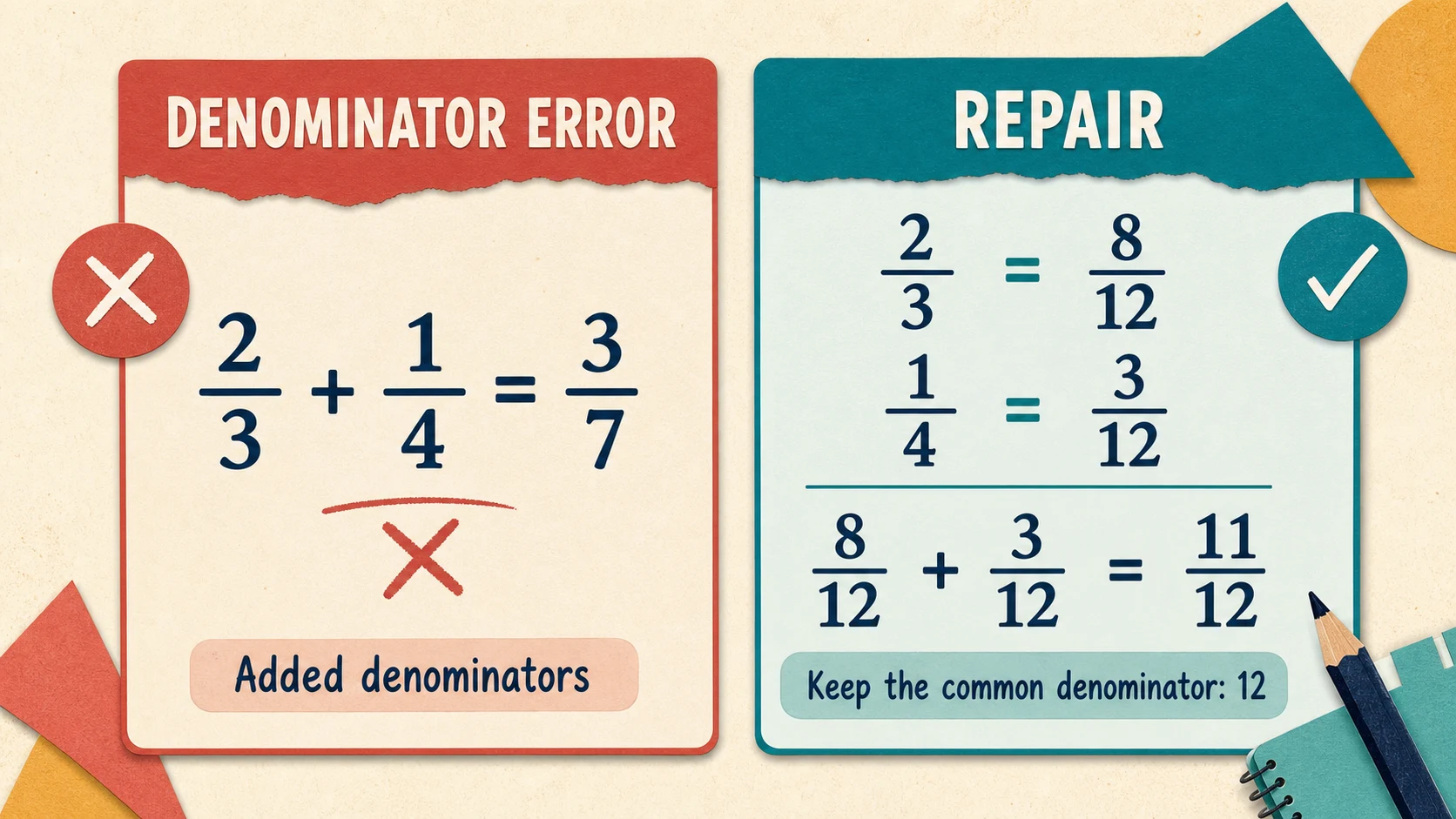
Different fraction errors call for different follow-up prompts; the written answer alone does not identify the cause.
Other informative patterns include:
- correct computations but the wrong operation: investigate situation comprehension;
- correct oral answer but incorrect written number: investigate recording or place-value notation;
- accurate work with a model but not with symbols: reconnect the model to each symbolic step;
- the first blend read correctly but later consonants dropped: reduce the chain length and tap every sound;
- explanation repeats the answer without a reason: model causal language such as “because,” “therefore,” and “this represents.”
Do not infer a diagnosis from these patterns. If errors persist across settings and supports, document exactly what was attempted and consult the learner’s teacher or an appropriate qualified professional.
Know when advanced practice is the wrong choice
Stop or step down when the learner is guessing, cannot begin after one clear model, makes repeated prerequisite errors, or spends most of the session decoding directions unrelated to the target. Move to a more explicit level for that skill, such as Developing Worksheets Across Grades and Subjects, and return to the advanced demand after a successful bridge item.
Also reconsider the page when:
- fatigue changes the quality of work;
- the print layout creates avoidable visual strain;
- calculation volume overwhelms the intended reasoning;
- unfamiliar cultural or linguistic context obscures the task;
- a timed condition is measuring speed when explanation is the goal;
- the answer key confirms only a final response, while the task permits several defensible methods.
Worksheet results are one observation. They do not establish standards mastery, grade placement, instructional eligibility, or a learning condition. Common Core mathematics and ELA documents describe grade-level expectations, but local sequences and adopted curricula differ. A page’s grade label therefore remains a discovery aid, not a placement verdict.
The advanced catalogue reports no free resources within this specific level filter. The broader site has 107 free entry points, including verified easy sheets in early topics. That distinction matters: do not promise a free advanced sheet where the live catalogue reports none.
Make the next worksheet answer one real question
Choose one skill—not “advanced work” in general—and write a testable question: “Can the learner compare two multiplication methods without a model?” or “Can the learner retain every consonant in a blend when reading connected text?”
Then open the full worksheet library, select one page whose visible demands address that question, and assign only three items:
- one parallel to a known example;
- one requiring a different representation or explanation;
- one transferring the skill to a changed context.
Record accuracy, representation used, language support, and the least adult help needed. Your next action should follow that evidence: retain the level, restore one scaffold, reduce an accidental language or calculation load, or choose a more explicit page for that particular skill.
Put it into practice
Use the guide with a real printable
Move from explanation to a short, observable practice task. Check the first item together, then adjust the next session from the learner's actual work.
Open the first free worksheetExplore a neighboring collection
Choose by a different teaching need
Developing Worksheets Across Grades and Subjects Easy and Beginner Worksheets Across Grades and Subjects Advanced Division Worksheets Advanced Multiplication Worksheets After-School Worksheets With Answer Keys After-School Grammar Worksheets After-School Math Worksheets After-School Phonics Worksheets